






 Portuguese
  Spanish


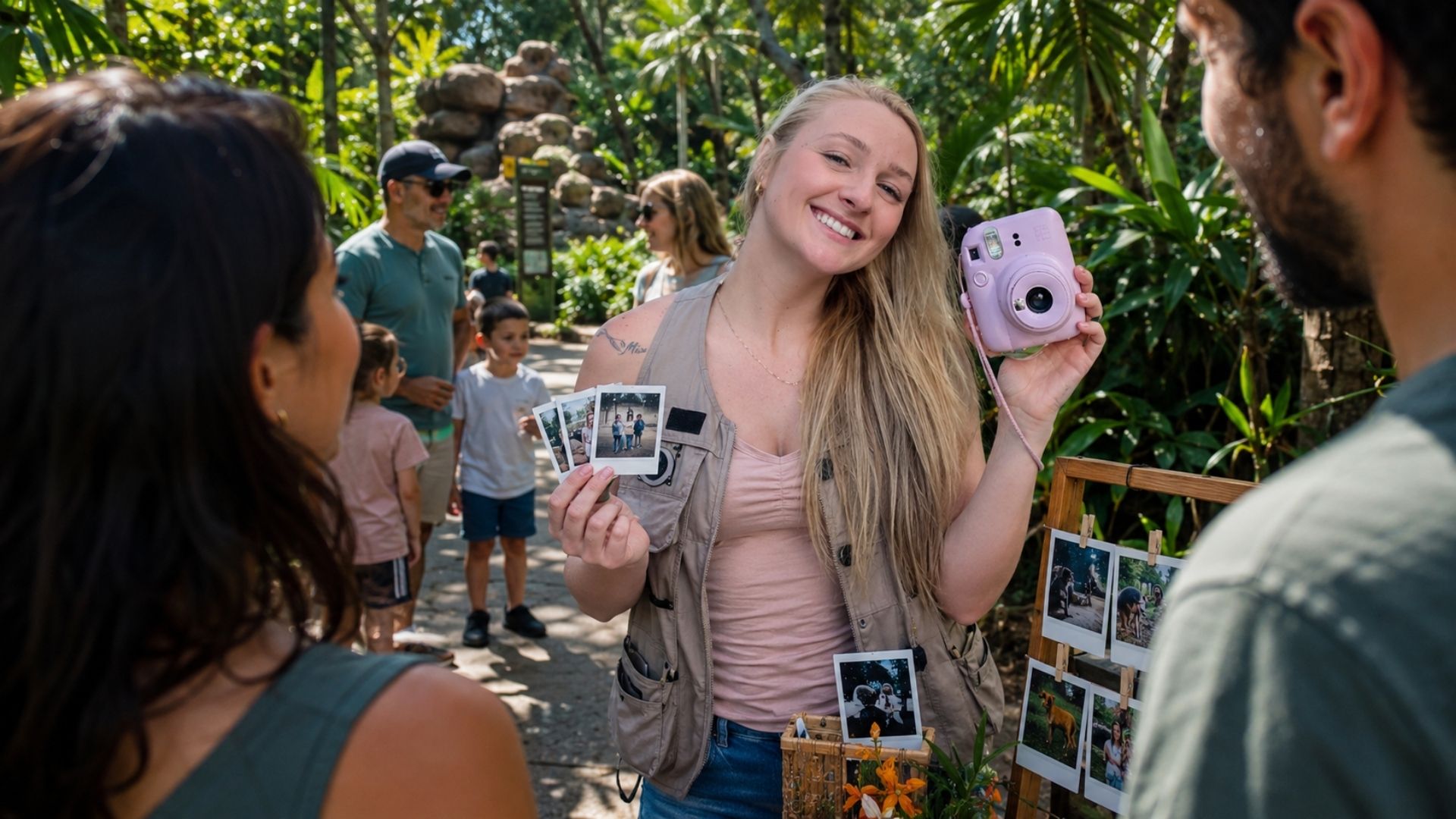

Resident of Joinville, in Northern Santa Catarina, Thayna Renata left a fixed salary of R$ 1,500 to sell Polaroid photos to visitors of the Zoobotanical. The business took off and managed to earn R$ 800 in a weekend, until a security guard stopped her from working and her outcry went viral.
A camera that reveals the image instantly, a crowded park, and the promise of eternalizing moments: this was the bet made by photographer Thayna Renata, a resident of Joinville, in Northern Santa Catarina, who left a formal job to sell Polaroid photos to those visiting the city’s Zoobotanical. According to NSC Total, what seemed like a promising life change ended up hitting an unexpected obstacle during the stroll.
Still according to NSC Total, everything changed when a park security guard approached her and informed her that she could not sell the photos there. The outcry that Thayna posted shortly after spread across social media, turned her case into a topic in the city, and reignited an old discussion: how far does the right to work independently in a public space go.
From a fixed salary of R$ 1,500 to a leap into instant photography
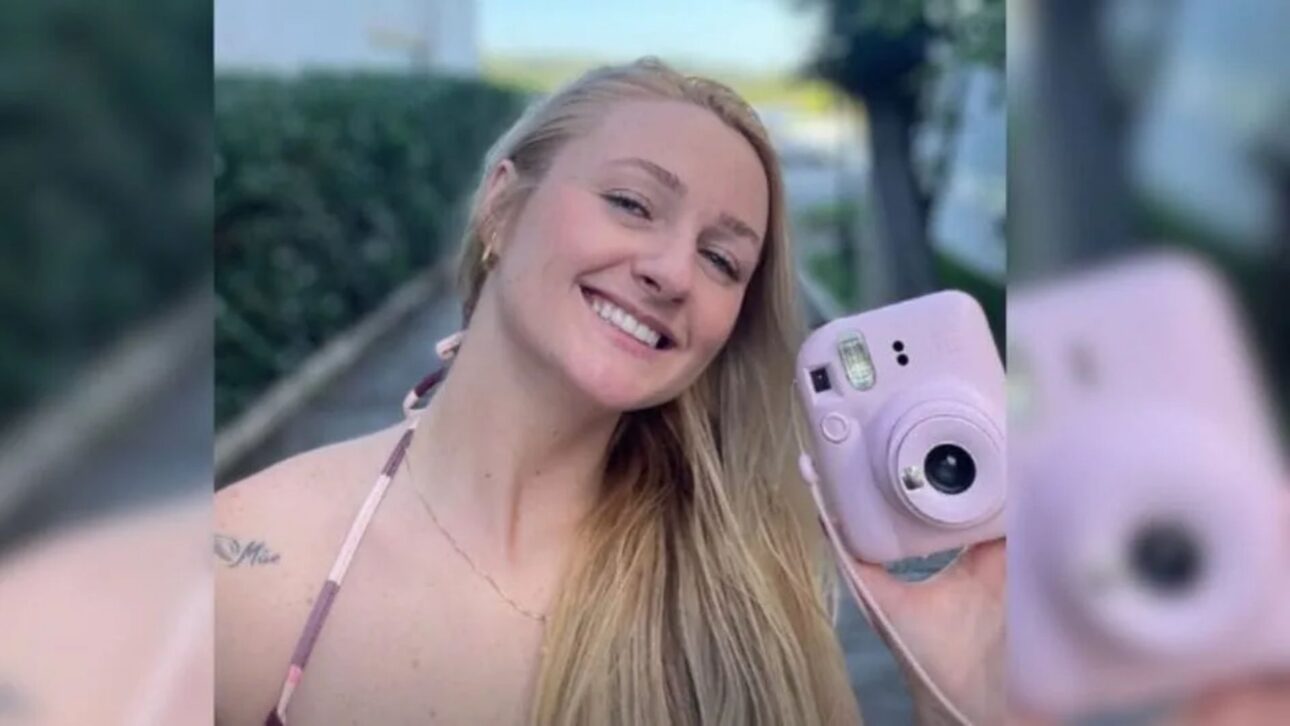
Before betting on instant photos, Thayna lived the routine of someone with a guaranteed, yet tight, income. She worked as a customer seller, responsible for the customer experience of a digital influencer with over a million followers, earning about R$ 1,500 fixed per month, plus occasional commissions.
-
A woman who spent over 20 years inventing a self-cleaning house received a patent in 1984 and turned drains, sloped floors, water jets, and smart cabinets into a weapon against repetitive cleaning, domestic isolation, and loss of autonomy for the elderly and people with disabilities.

-
A producer from Maranhão started making fruit pulp on a small scale, faced the bureaucracy to certify the agro-industry, went from 1 ton per year to over 100 tons, and turned guava, soursop, cupuaçu, cashew, and acerola into a business authorized to sell throughout Brazil.
-
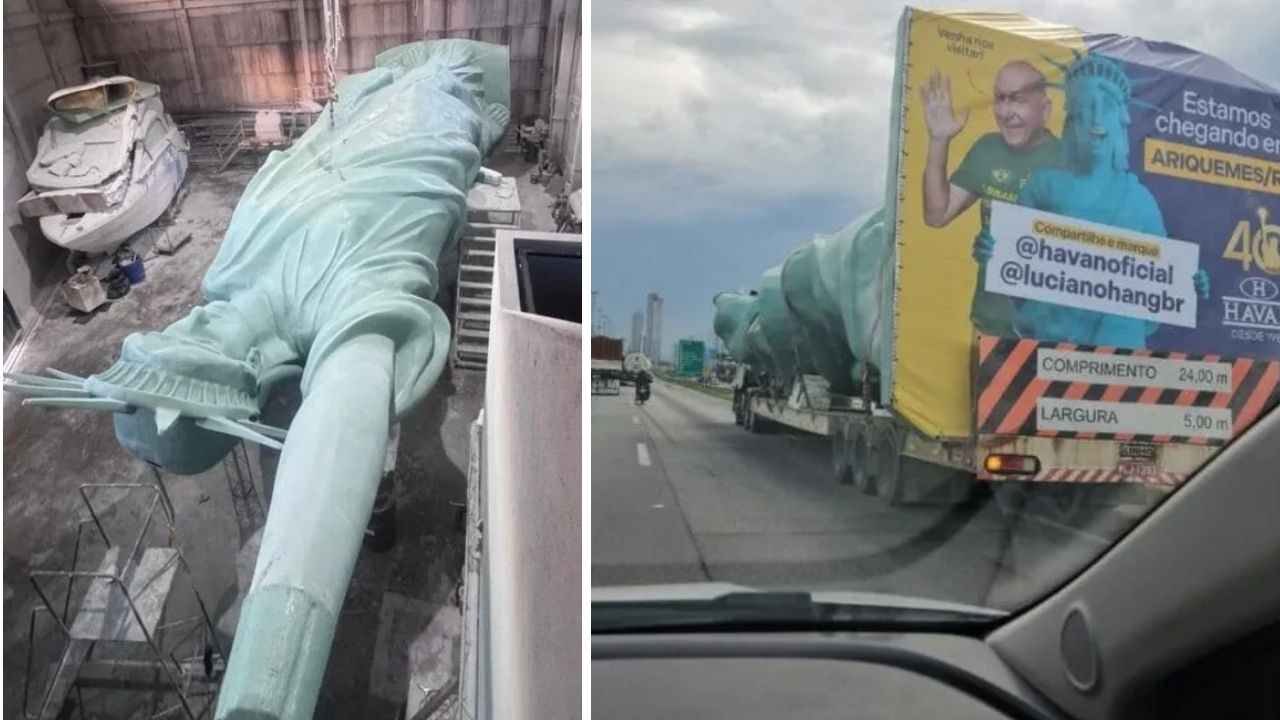
Giant Havan statue left Camboriú heading to Rondônia on a 5-day trip, drew attention on BR-101, stopped traffic in Balneário Camboriú, and revealed the operation behind the replicas that leave Santa Catarina for stores throughout Brazil.
-
A woman left her job as a cashier in a supermarket to create frozen pulps with leftover fruits from her family’s farm in a quilombola community in Minas. She turned the surplus into a business and established the only formalized factory in the municipality, which now processes up to 10,000 kg per month and supplies schools, regional commerce, and large industrial meals.

Today, formalized as a micro-entrepreneur, she is part of the large contingent of Brazilians who traded traditional employment for autonomy; those wishing to follow this path usually start with the Entrepreneur Portal, where it is possible to open a MEI.
The contract, however, was not directly with the influencer. A third-party company mediated the work and passed on to her only a fraction of the amount agreed upon with the mentors and “experts” in the field. It was precisely this low remuneration that planted the seed of change. In her daily interaction with content production, Thayna also discovered the passion that would end up reshaping her career: photography.
How Polaroid photos became a street business
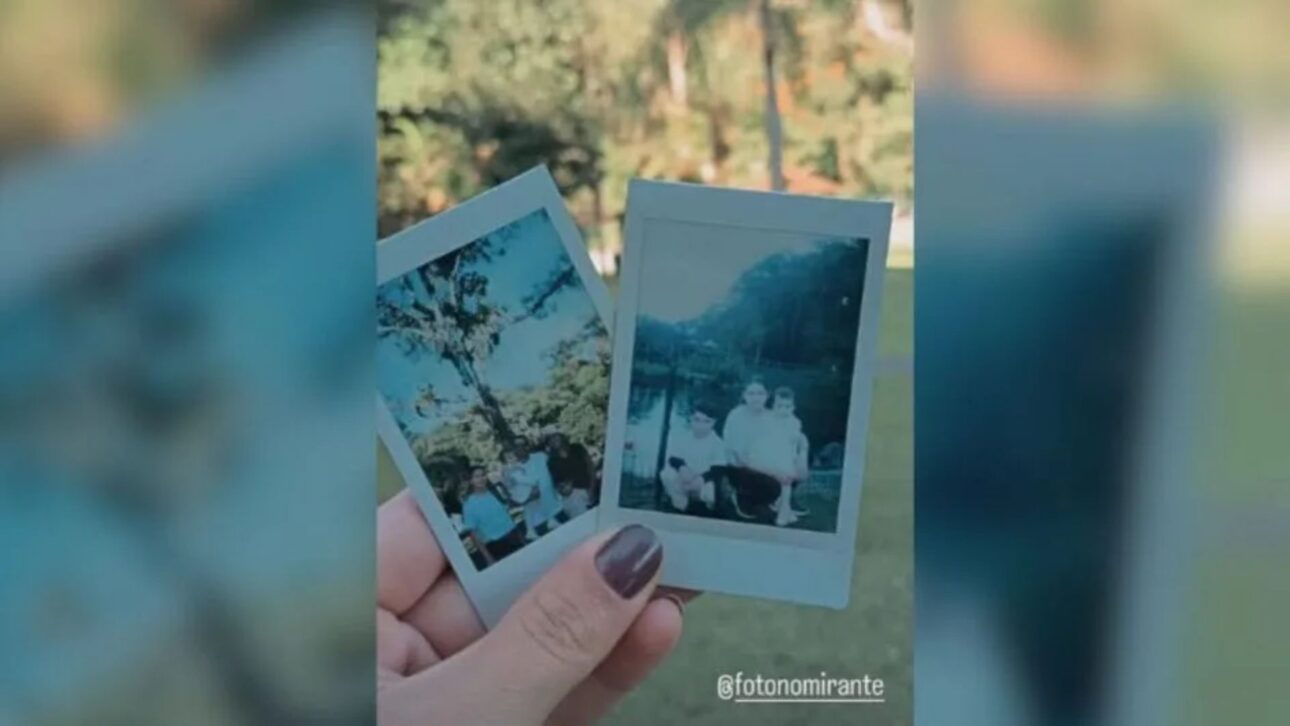
The turning point began with the purchase of an Instax camera, the kind that delivers the developed image on the spot, in Polaroid format. Initially, the intention was just to keep personal moments on paper. But what started as a hobby soon revealed income potential. For Thayna, the charm lies in escaping the digital excess: instead of the endless search for the perfect selfie, the instant photo revives the value of the unique capture, impossible to replicate.
With this idea in mind, she started going out on sunny days to photograph families, couples, friends, and other visitors in busy spots like the Zoobotanical Park and the Lookout. Each photograph costs, on average, between R$ 20 and R$ 25. The math worked: in a single day, Thayna earned R$ 400 and, adding up the weekend, reached R$ 800, well above what she received for an entire month of fixed work.
The security approach and the video that went viral
The episode that catapulted the story was reported in July by NSC Total, it happened while she was photographing visitors and was approached by a security guard of the space. The information was direct: she could not continue selling photos inside the park. Emotional, Thayna recorded her outcry right there, which would take over the networks.
“I was forbidden to sell photos here at the Joinville Zoobotanical Park and it hurts my heart a lot,” she said, reporting that the place was experiencing one of the busiest days she had ever seen. The video spread quickly, garnered waves of support, and turned an independent photographer into a character in a public debate about work and the city.
The ordeal of regularization: Sama, license, and MEI
Determined to comply, Thayna took an entire day to try to sort out the paperwork and discovered, in practice, the size of the maze. She started by searching on Google where to begin and went to the Environmental Secretariat (Sama). There, according to her, the attendant did not know how to respond: since the case involved photography, it would not fit as street vending and, therefore, would not yield a license.
Oriented to look for the entrepreneur portal, she heard that, since she already had a MEI as a photographer, she could sell her images on the street and, in theory, would already be regularized, but no one could clarify the specific doubt about the Mirante. “I am not against regulating myself, I am against this bureaucratic process,” she summarized, saying she couldn’t get a clear answer after knocking on several doors.
What the Joinville City Hall Says
When contacted, the Joinville City Hall informed that, at the moment, there is no specific regulation regarding street vending within the Zoobotanical Park. Being a public and environmentally protected area, any future rules would need to take these aspects into account, the Municipality pondered.
The administration added that the interested party can formally express their desire to Sama as Thayna did by being advised to submit the request in writing so that the city has parameters on the demand for this service. Even so, the City Hall emphasized that the authorization cannot be granted individually and that the topic is still under study.
A Small Case That Exposes a City Dilemma
Behind the story of an instant camera lies an issue that goes beyond Joinville. Thousands of Brazilians are switching formal employment for autonomous activities, often carried out in squares, parks, and sidewalks — spaces for everyone, but surrounded by rules that do not always keep up with the creativity of those who need to generate income. Thayna’s impasse is, at its core, a portrait of an economy that reinvents itself faster than bureaucracy can respond.
There is also a second thread in this plot: the power of a single video. A vent recorded in a moment of frustration was able to mobilize support, pressure the public authorities, and spotlight a service that, until then, went unnoticed. If the nostalgia of polaroid photos captivated park visitors, it was the power of social media that pushed the case to the City Hall’s desk — and the outcome, for now, remains open.
And you, do you think she should be able to sell photos in the park?


Thayna’s journey mixes courage, entrepreneurship, and a bureaucratic knot that many people know well. On one side, a professional who left the security of a fixed salary to live from her own art; on the other, a protected public space and rules that are still in their infancy.
And you, if you were in her place, would you insist on regularization or look for another spot to work? Do you think it’s fair to block the sale of polaroid photos in a park full of families? Leave your opinion in the comments, we want to know which side you are on.


