Portuguese
  Spanish


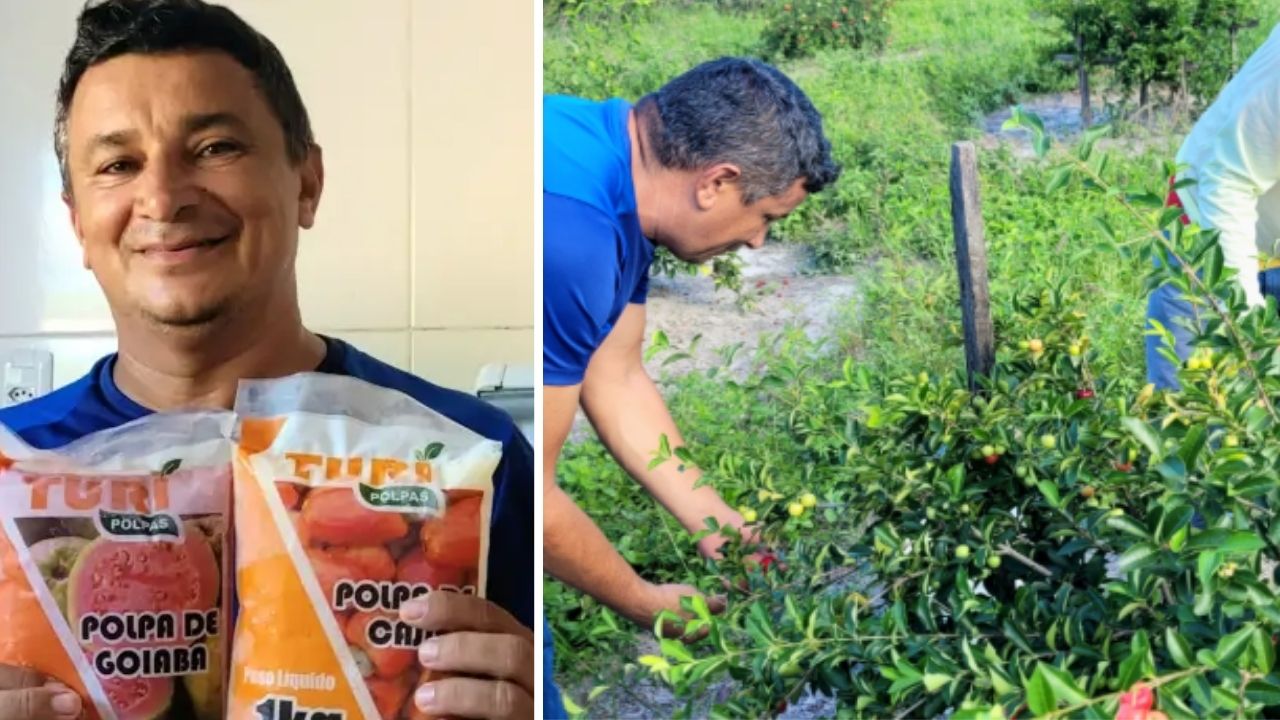

According to ASN Maranhão, José Rubem Louzeiro Nogueira, known as Rubinho, expanded fruit pulp production in Santa Helena, in the Western Lowlands of Maranhão, after MAPA certification, Sebrae consultancy, and automation, increasing from 1 ton annually to over 100, and selling nationally through Turi Polpas.
The fruit pulp produced by José Rubem Louzeiro Nogueira, known as Rubinho, moved from small scale to become part of an agro-industry authorized to sell throughout Brazil. The business operates in Santa Helena, in the Western Lowlands of Maranhão.
The story was published by the Maranhão Sebrae News Agency on July 15, 2024. According to the source, Turi Polpas surpassed the certification stage of the Ministry of Agriculture and Livestock, MAPA, and went from 1 ton per year to over 100 tons annually.
Production began before the formalized agro-industry
Rubinho has been working with fruit pulp production for over 10 years. However, the activity entered a new stage when he decided to build a processing agro-industry, aiming to increase scale and meet quality, safety, and documentation requirements.
-
Giant Havan statue left Camboriú heading to Rondônia on a 5-day trip, drew attention on BR-101, stopped traffic in Balneário Camboriú, and revealed the operation behind the replicas that leave Santa Catarina for stores throughout Brazil.

-
A woman left her job as a cashier in a supermarket to create frozen pulps with leftover fruits from her family’s farm in a quilombola community in Minas. She turned the surplus into a business and established the only formalized factory in the municipality, which now processes up to 10,000 kg per month and supplies schools, regional commerce, and large industrial meals.
-
Drivers hugged after a car crash in Santa Catarina, surprising those who expected a fight in the middle of the street, and went viral with a rare scene: the man who was hit got out of the vehicle, consoled the person who caused the accident, and turned traffic tension into a lesson in empathy.
-
An Australian island closes roads, diverts vehicles, and installs kilometers of barriers to guide over 100 million red crabs to the sea.




The consolidation of the enterprise depended on compliance with sanitary standards and certification granted by MAPA. Without this stage, production would be limited, with less access to formal markets, tenders, and national circulation.
Certification became a decisive point for growth
The certification from the Ministry of Agriculture and Livestock acts as a certificate that the agro-industry meets quality, hygiene, safety, performance, and appropriate product transportation requirements. In the case of Turi Polpas, it paved the way for commercialization throughout the national territory.
According to the report, the process involved a control plan, good practices manual, descriptive memorial, labeling, packaging, and changes in physical structure. The regularization was not just a bureaucratic requirement, but the foundation for transforming local production into a business with national reach.
Sebrae supported the technical adaptation of Turi Polpas
Rubinho found support in Sebrae to face the certification process requirements. The service was also provided in the context of the Agronordeste Program, with technical guidance to adapt the agroindustry to the required standards.
The consultant Josué da Conceição Clemente, an industrial chemist, master in analytical chemistry, and food specialist, accompanied the entrepreneur. The guidance included documents, processes, physical structure, and necessary requirements for Turi Polpas to operate regularly.
Santa Helena became the production base
The enterprise is located in Santa Helena, a municipality in the Western Maranhão Lowlands. The region appears as the base of a supply network that involves fruits produced on Rubinho’s property and raw materials from small local producers and collectors.
This network is essential to sustain the variety of flavors and the volume of the agroindustry. By purchasing fruits from the region, the business creates demand for nearby producers and transforms local raw materials into processed products with higher commercial value.
Automation increased annual capacity
Turi Polpas has the capacity to produce about 100 tons of fruit pulp per year, a result of automation and the purchase of modern machinery. According to the source, the equipment began to perform much of the work previously done in a more limited way.
This productive leap changed the scale of the business. The production, which was previously 1 ton annually, increased to more than 100 tons, a growth related to sales volume and certification that allowed entry into broader markets.
Guava, soursop, cupuaçu, cashew, and acerola gained market
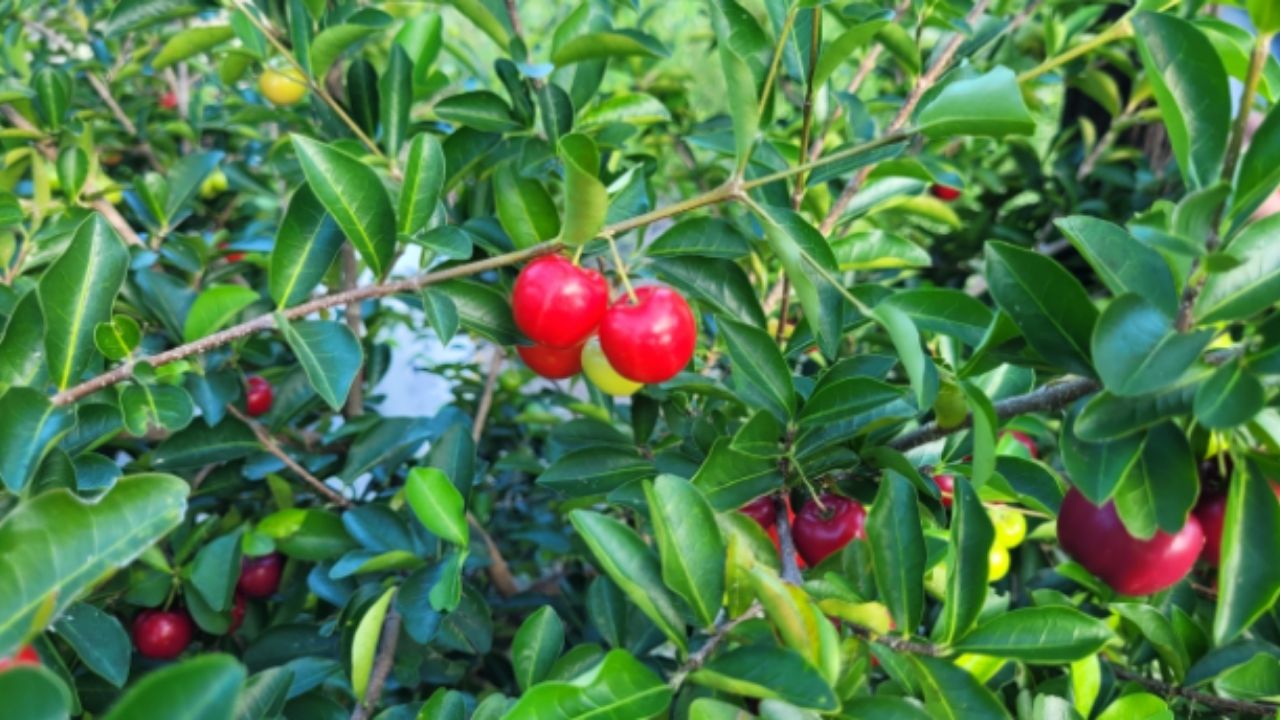
Currently, the enterprise produces pulps of guava, soursop, pineapple, acerola, cupuaçu, cashew, and other flavors abundant in the region. Some fruits come from Rubinho’s property, while most come from suppliers spread across the area.
The diversity of fruits helps maintain production with a varied offer. The business does not depend on a single flavor and takes advantage of the regional vocation to transform well-known fruits in Maranhão into frozen products with regular sales.
Family participates in the operation of the agribusiness
Rubinho runs the business with his siblings Marisa, Luis Carlos, and Dona Nete, mentioned by the source as an enthusiastic collaborator. The family structure appears as part of the productive routine of the agribusiness and the advancement of Turi Polpas.
The source also informs that the increase in production brought a new reality for the entrepreneur and his family. The growth is linked to certification, process organization, and the possibility of accessing larger-scale sales.
PNAE became the flagship of sales
Turi Polpas has made government program bids, such as the National School Feeding Program, PNAE, its main sales front. This channel was possible because the company started meeting required standards and documentation.
This point shows the importance of formalization. When the agribusiness complies with sanitary and documentary regulations, it can compete in institutional markets that would otherwise be out of reach for informal or uncertified production.
Certificate allows free circulation in Brazil
MAPA certification also allows the product to circulate freely throughout Brazil. This expands the sales potential of the fruit pulp and takes the business beyond a local market operation.
Besides increasing commercial reach, regularization improves the confidence of buyers who require documentation, labeling, good practices, and sanitary standards. For a food agribusiness, these elements are crucial for growth without losing quality control.
Case shows how regularization changes local agribusiness
The trajectory of Turi Polpas shows that the growth of an agribusiness does not depend solely on producing more. It also requires documentation, adequate structure, quality control, technical support, a network of suppliers, and access to formal sales channels.
Rubinho’s case raises an important question for small producers: is certification still the biggest obstacle to turning fruit pulp into a national business, or is the biggest challenge obtaining machinery, buyers, and technical assistance? Leave your opinion in the comments.