Portuguese
  Spanish


The Jacob Riis Bathhouse, a 1932 art deco building on New York’s people’s beach, was abandoned for half a century and received an $88 million renovation. It will now reopen in phases as Rockaway Ocean Club, with a pool only for members who pay from $1,000 per year.
A concrete giant that had been sleeping with shuttered windows for more than half a century is about to wake up, and the way it returns is already dividing opinions. The Jacob Riis Bathhouse, a 1932 art deco construction on the shore known as New York’s people’s beach, will reopen transformed into a club where many areas are only accessible to those who pay an annual fee. The story was detailed by Time Out New York, a city guide.
First of all, a warning: the reopening will happen gradually. The Jacob Riis Bathhouse will reopen in phases starting at the end of July, so what exists for now is a schedule, not a single ribbon-cutting event. Even so, after 54 years closed, seeing the building reborn is already big news on New York’s people’s beach, even if the new format comes wrapped in controversy.
An art deco palace from 1932 by the sea
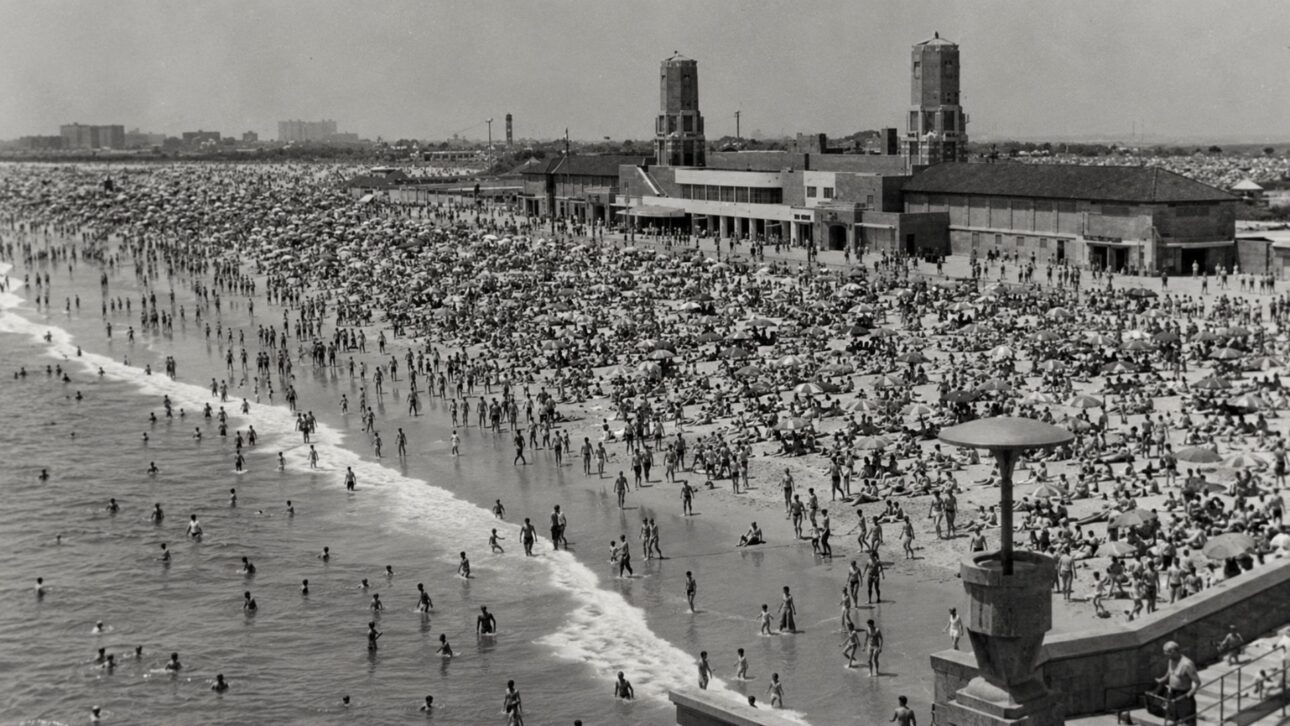
Inaugurated in August 1932, under the command of the then-powerful parks commissioner Robert Moses, the Jacob Riis Bathhouse was one of the most grandiose beach destinations in New York. The art deco style gave the building the appearance of a seaside palace.
-
Brazil’s Famous Blue Lagoon Cave Set to Reopen to Tourists in 2026 After 23-Year Closure

-
Tourist Train in São Paulo’s Serra do Mar Takes Passengers to a 19th-Century English Railway Village, Showcasing the Historic Santos-Jundiaí Railway’s Role in Coffee Transport

-
After a 4-year journey across the Americas, couple settles in southern Brazil, transforms rusted shipping container into a home, facing real risks and close calls along the way.
-
Rio de Janeiro Resident Transforms Home with Green Roof, Cutting Indoor Temperature by Up to 15°C and Offering a Simple Solution to Extreme Heat





The scale was impressive at the time. The complex had about 10,000 changing cabins, dance halls, a rooftop restaurant, and the capacity to serve more than 8,000 bathers at the same time. It was a public facility designed for the crowd, a symbol of a people’s beach that belonged to everyone, not a closed club.
54 years of shuttered windows
The peak did not last forever. The Jacob Riis Bathhouse was closed in 1972 and from then on, it plunged into a long abandonment, with the art deco facade sealed and the windows boarded up. For 54 years, the building stood there, decaying, in view of those who frequented the sand.
It was a melancholic contrast in the scenery. While the people’s beach remained full of bathers, the old palace of New York rotted behind the fences, gradually becoming a forgotten relic. This limbo of more than half a century is what makes the reopening so symbolic, and also so delicate.
The $88 Million Renovation and the Rockaway Ocean Club
The turnaround came with a lot of money and almost a decade of work. The Jacob Riis Bathhouse underwent an $88 million restoration and will reopen as the Rockaway Ocean Club, a hybrid destination that mixes public spaces with exclusive areas for members, as well as a hotel and event venue. According to Gothamist, the opening will be done in stages.
Not everything will be fenced off, and this detail matters. The Rockaway Ocean Club will offer part of the structure to any visitor, but reserves the crown jewels, such as a pool for 162 people, lounges, and a beachfront restaurant, for members. It is this division between the open and the paid within the same Jacob Riis Bathhouse that is at the center of the debate.
How Much It Costs to Enter: $1,000 per Year
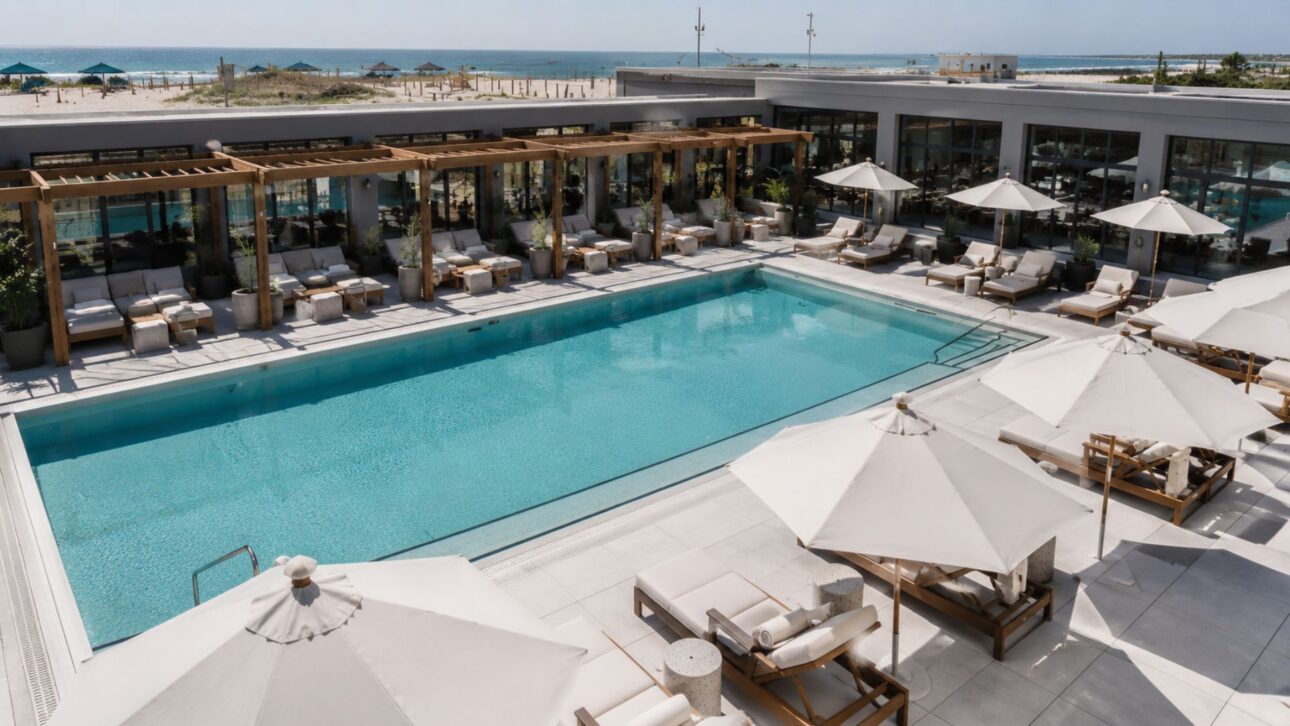
At the Rockaway Ocean Club, the annual fee starts at around $1,000 per year for residents of the Rockaways area and rises to about $3,500 for families from outside the area. The pool and the most coveted areas are restricted to those who pay.
A clarification is worth making to not exaggerate the story. The strip of sand at the people’s beach itself remains public and free, as it always has been, since what becomes paid are the club’s facilities within the old Jacob Riis Bathhouse. Still, seeing part of a collective symbol of New York become an area of restricted access is what bothers many people.
Why Does the Reopening Generate Controversy?
The nickname of the place explains much of the tension. The waterfront is affectionately called the people’s beach precisely because of its history of being open, diverse, and welcoming, a democratic refuge in New York for decades. For critics, introducing a paid club there seems to go against the soul of the place.
The words of a long-time visitor summarize the discomfort. In a statement to the New York Times, Mary Farias said that Jacob Riis Park has always been known as the people’s beach and should remain accessible to everyone, not serve as a base for a private club. On the other hand, some remind us that the Jacob Riis bathhouse was falling apart and that the art deco renovation at least saves the building from ruin, keeping part of it open. Both perspectives coexist, and the public will judge when the Rockaway Ocean Club opens its doors.
When a symbol of the people reopens with a turnstile
In the end, the reopening of the Jacob Riis bathhouse is both beautiful and thorny. An art deco palace from 1932, covered for 54 years at New York’s people’s beach, will come back to life thanks to $88 million, but part of it now asks for $1,000 per year from those who want to enjoy the best. The rebirth is real, and its price, both literal and symbolic, is too.
And you, do you think it’s fair to restore a historic building by charging an annual fee to sustain it, or should a symbol of the people’s beach remain 100% free? Tell us in the comments which side you are on in this discussion.