Portuguese
  Spanish


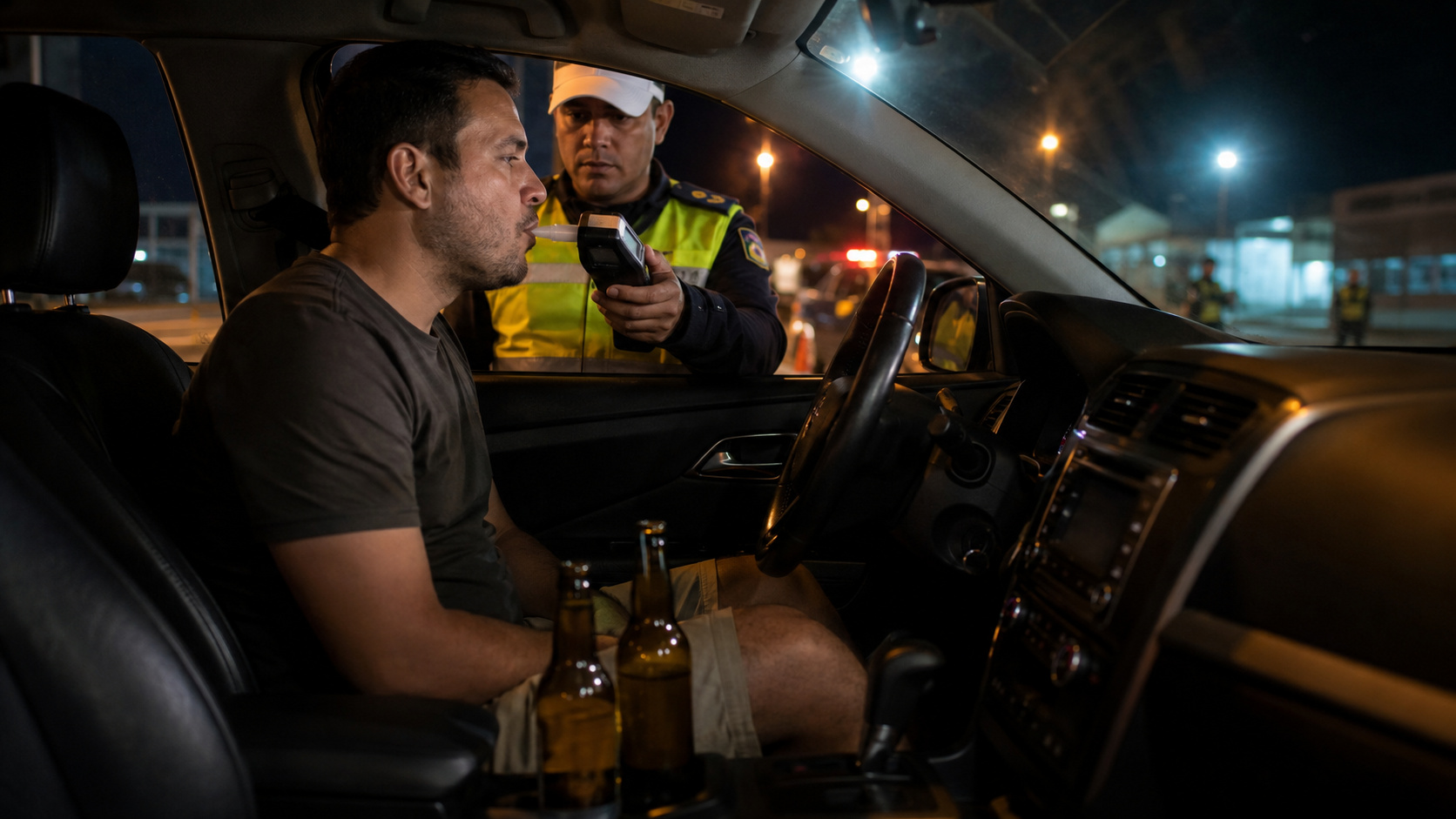

Differences between non-alcoholic beer and zero alcohol, limits defined by the Ministry of Agriculture and Contran rules require drivers’ attention before driving, especially after consuming several units in a short interval
Increasingly present in the Brazilian market, non-alcoholic beer can contain up to 0.5% alcohol by volume. Therefore, the designation does not mean that the beverage is completely free of the substance.
The reduced content is unlikely to cause a sufficient measurement for prosecution when consumption occurs moderately. However, several units ingested quickly can leave small amounts detectable by the breathalyzer.
If the breathalyzer registers between 0.05 mg/l and 0.33 mg/l, the driver may face a serious infraction. In this scenario, the legislation provides for a fine of R$ 2,934.70 and suspension of the driver’s license for 12 months.
-
End of an era in Brazil: beloved sedan by Brazilians is discontinued despite having a 2.0 engine with 151 hp, CVT transmission, 466-liter trunk, and up to 650 km of range.

-
New Law Proposal in Brazil Could Heavily Penalize Drivers: Dangerous Overtaking May Become a Serious Offense with Fines Increased Tenfold and a 12-Month License Suspension; Update on 2026 Progress

-
Electric Revolution: Watts W125 Motorcycle Offers 160 km Range, 90 km/h Speed, and Affordable Price Starting at $3,000
-
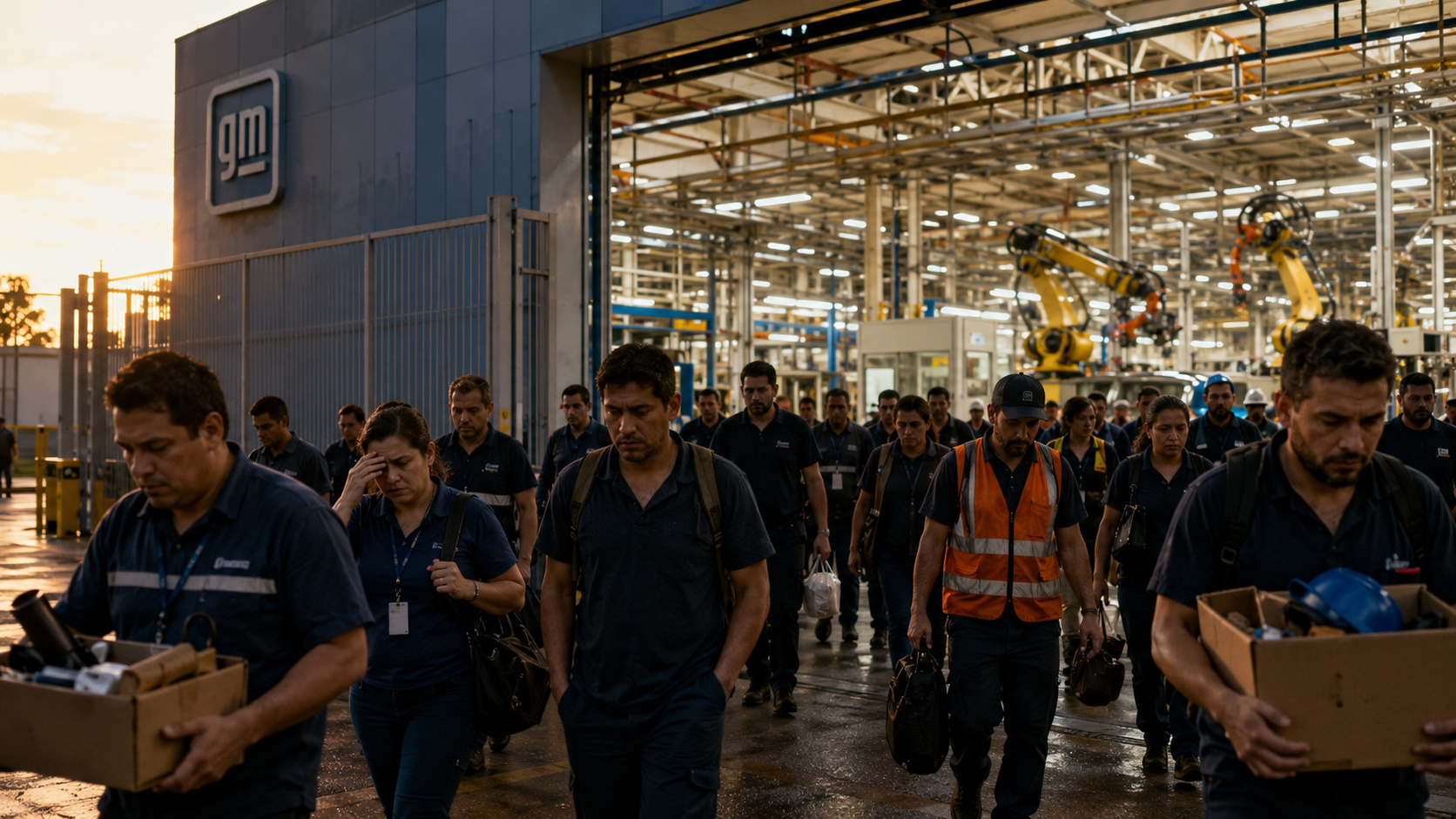
General Motors Replaces Over a Thousand Workers with 50 Cobots at Electric Vehicle Plant, UAW Union Criticizes Move Amid Industry’s Automation Push


The inspection may also determine the retention of the vehicle. Furthermore, the car may be sent to the impound when no qualified and capable driver is available.
Non-alcoholic beer can have up to 0.5% alcohol content
Published on December 10, 2019, Normative Instruction No. 65 established rules for the classification and labeling of Brazilian beers.
The rule of the Ministry of Agriculture and Livestock allows products labeled “non-alcoholic” to have up to 0.5% alcohol by volume.
In this case, the label must carry the warning “Contains alcohol up to 0.5% v/v”. This way, the consumer can identify the possible presence of the substance.
Beers classified as zero alcohol, on the other hand, follow a lower limit. These products can contain up to 0.05% alcohol by volume.
Consequently, the packaging can use expressions like “0%”, “zero alcohol” or “zero % alcohol”.
Manufacturing processes differentiate the beverages
Besides labeling, the two categories present differences during manufacturing. Normally, non-alcoholic beers use the process known as interrupted fermentation.
In this method, the action of the yeasts is reduced. As a result, some beverages finish production with an alcohol content close to 0.35%.
The zero alcohol versions, however, undergo a more complex procedure. Generally, the industry uses vacuum distillation to remove almost all the alcohol.
At the same time, the process aims to maintain the aroma and flavor similar to those found in a traditional beer.

High consumption may influence the breathalyzer test
Experts highlight that moderate consumption is unlikely to produce a concentration capable of resulting in a citation. Even so, the driver needs to consider the amount consumed.
Primarily, consuming several units in a short time can increase the possibility of detection by the breathalyzer.
Therefore, the recommendation is to exercise caution before driving. After all, the expression “non-alcoholic” does not necessarily represent a total absence of alcohol in the composition.
Meanwhile, the Brazilian market shows strong growth. According to 2024 data from the World Brewing Alliance, Brazil ranks second worldwide in the consumption of these beverages.
Only Germany is ahead of the country. Furthermore, projections by the consultancy Euromonitor indicate consumption close to 885 million liters in Brazil by 2026.
Dry Law provides for fines and suspension of the driver’s license
Published on January 29, 2013, Resolution No. 432 of the National Traffic Council regulated procedures to monitor alcohol consumption.
According to the rule, a measurement between 0.05 mg/l and 0.33 mg/l may characterize a very serious administrative infraction.
Consequently, the driver is subject to a fine of R$ 2,934.70, suspension of the driver’s license for 12 months, and vehicle retention.
The vehicle remains retained until another licensed driver in a condition to drive is presented. Without this alternative, removal may occur.
The same administrative penalties also apply to the driver who refuses to take the breathalyzer test during the inspection.
Recurrence may increase the fine to R$ 5,869.40
A new citation for alcohol consumption or refusal to take the test within 12 months doubles the amount applied to the driver.
Thus, the fine increases from R$ 2,934.70 to R$ 5,869.40. The suspension of the right to drive also remains among the expected consequences.
Despite the reduced amount of alcohol in these beverages, authorities and experts recommend caution. Therefore, checking the label and avoiding consumption before driving reduces risks.