Portuguese
  Spanish



The New Generation Of The Honda CB500 Hornet Arrives In Brazil With Redesigned Visual, TFT Panel And Reprogrammed Engine, Resurrecting A Historic Name And Promising To Unite Tradition And Technology In A Proposal Focused On Urban Versatility And Balanced Performance.
Honda Revives A Classic On Brazilian Streets With TFT Panel And Reprogrammed Engine In The 2026 Line; Meet The CB500 Hornet
Honda Introduced The CB500 Hornet 2026 In Brazil With A 5-Inch TFT Screen, Electronic Adjustments On The 471 cm³ Parallel Twin Engine And A Design Package That Officially Replaces The Old CB500F.
The Suggested Price, Excluding Freight, Is R$ 43.040.
-
College Dropout Turned Window Cleaner Builds $1 Million Cleaning Business with Subscription Model After 18 Years of Door-to-Door Work
-
Race for Data Centers in Brazil Intensifies Pressure on Critical Energy Resources

-
Melting Glaciers Uncover Ancient Tools, Preserved Mummies, and Strategic Minerals in the Arctic and European Mountains
-
Melting Glaciers Uncover Ancient Tools, Preserved Mummies, and Strategic Minerals in the Arctic and European Mountains

With This Change, The Brand Resurrects A Historic Name And Aligns The Medium Family With The Global Standard, Targeting Those Seeking Balance Between Performance, Technology And Versatility For Daily Use.
History And Positioning In The Portfolio
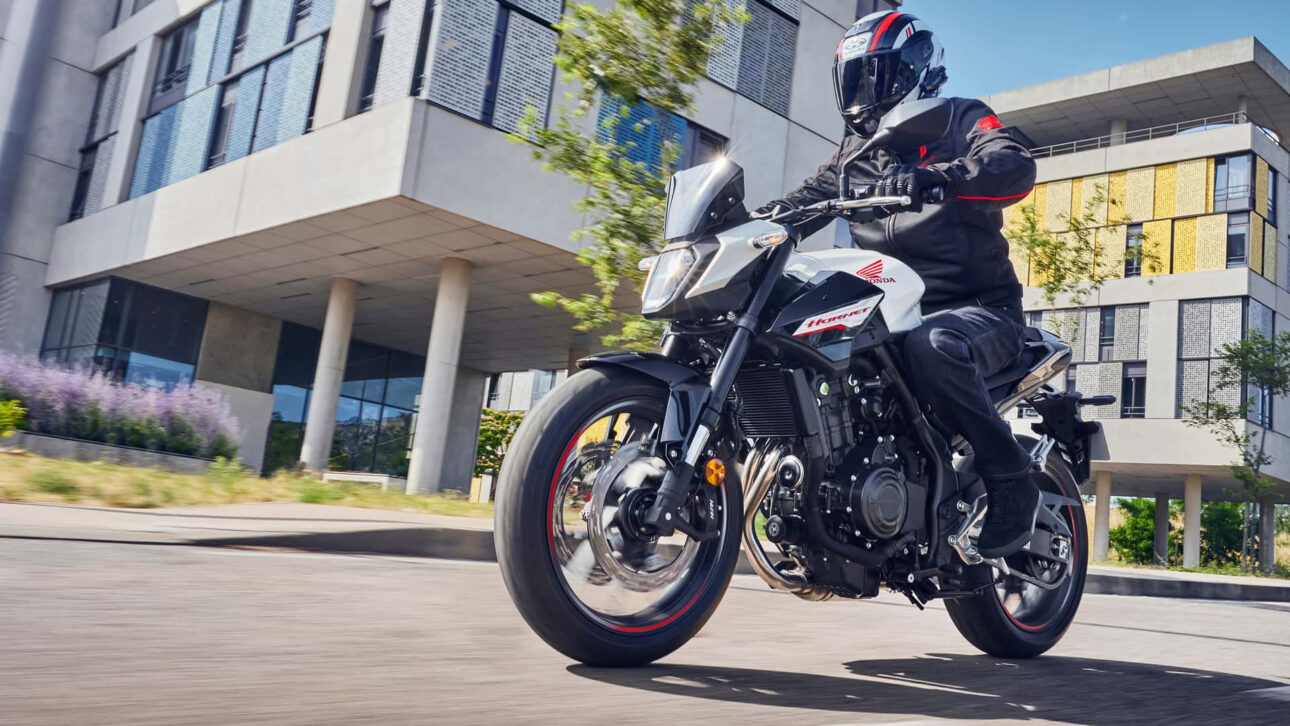
The Hornet Became An Icon In The Country In The 2000s With The Four-Cylinder Engine And Sporty Behavior.
The New Strategy, However, Reserves The Name “Hornet” For Modern Looking Nakeds And Sports Proposals Of Medium And Large Displacement, While The Retro Style Line Continues With The Neo Sport Café.
In This Movement, The CB500F Becomes The CB500 Hornet, Retaining The Established Mechanical Base And Gaining Updated Electronic And Visual Content.
Design And Standard Equipment
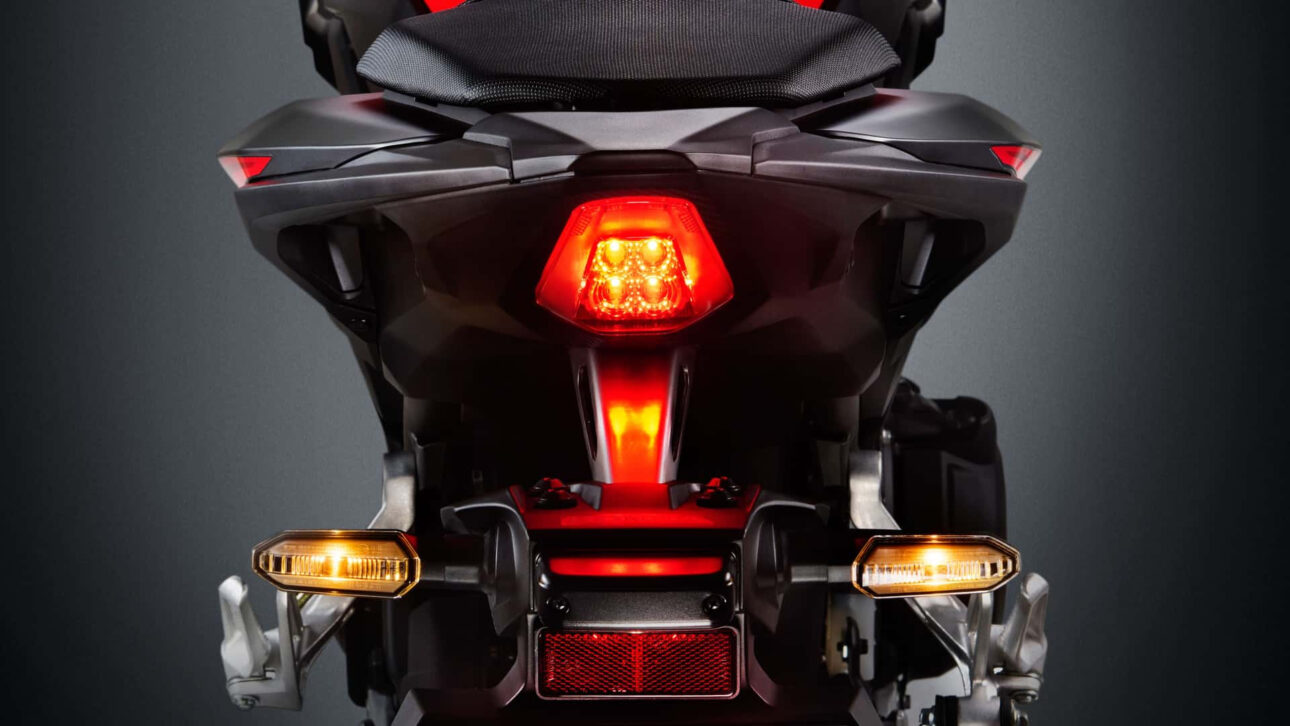
The Model Received Redesigned Fairings, Headlight And Taillight In LED, Plus A More Slender Tail.
The Wheels Remain 17 Inches, Now Lighter, Reinforcing The Urban Proposal With A Sporty Touch.
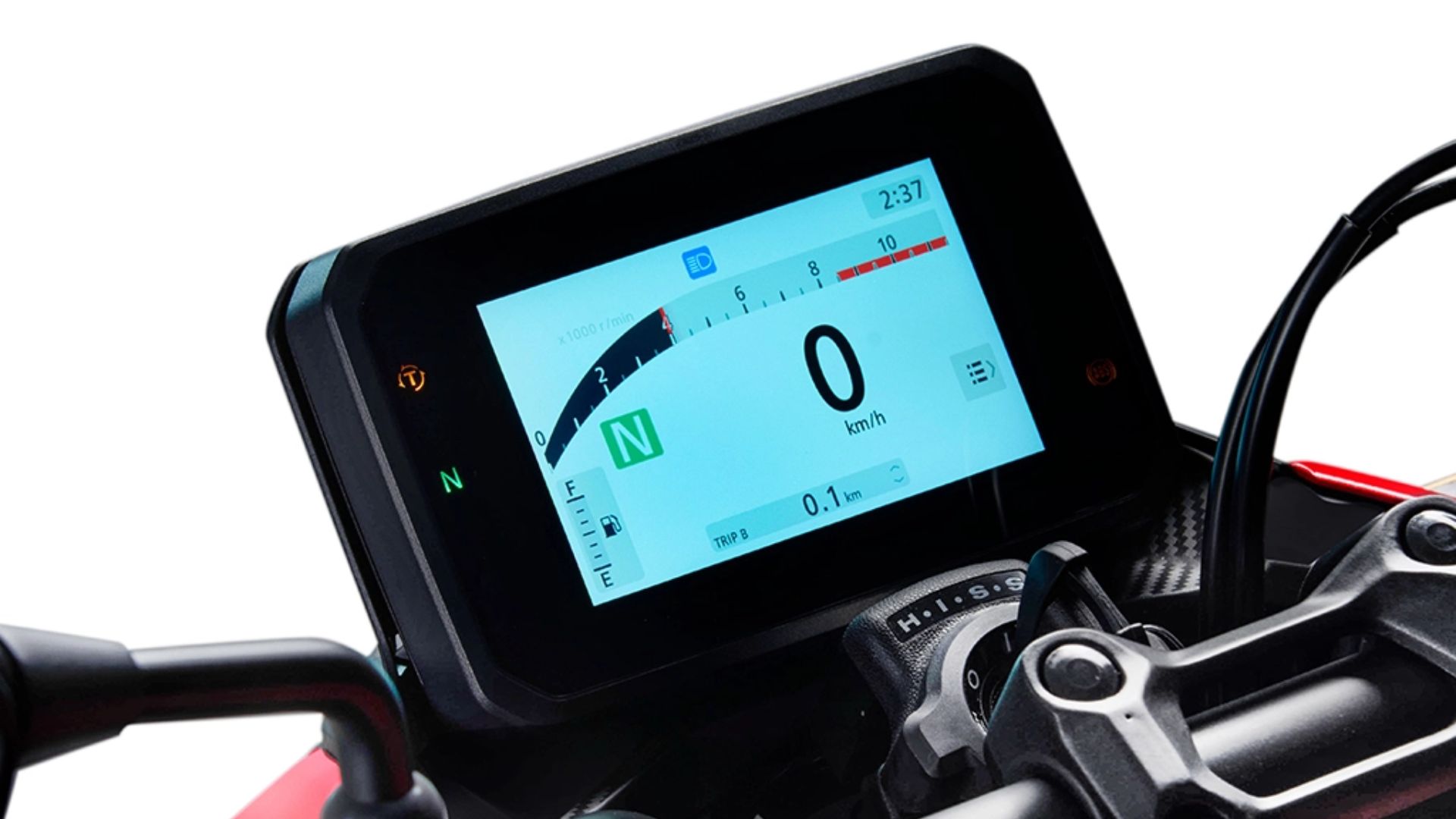
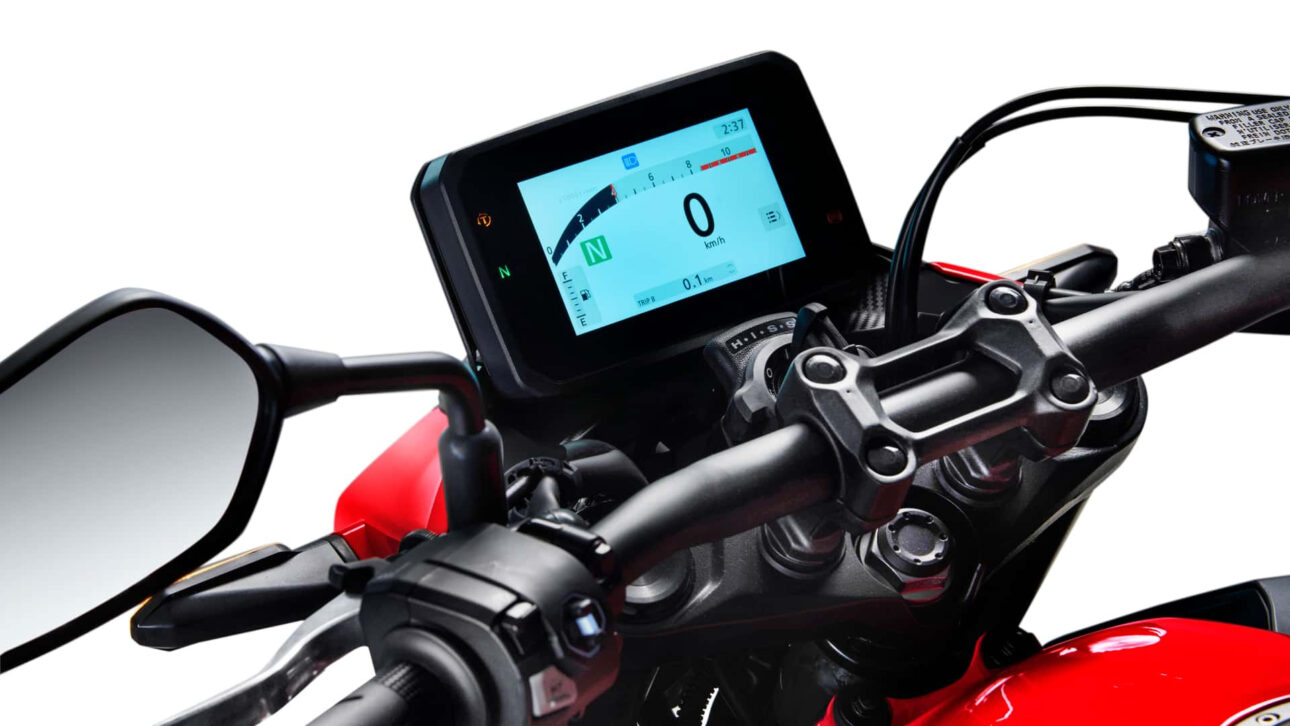
The New 5” TFT Panel Is Configurable And Prioritizes Legibility Under Bright Sunlight.
It Concentrates Riding Information And Allows Management Of Assistants Via A Joystick On The Left Grip.
The Bluetooth Connectivity Is Not Active In Brazil, As The System Is Still Awaiting Local Certification.
Engine And Performance: What Has Changed
Under The Tank, The Well-Known 471 cm³ Parallel Twin With Liquid Cooling And DOHC Remains.
Honda Recalibrated The PGM-FI Central For More Direct Responses At Low RPMs And Adopted A Larger Catalytic Converter.
The Exhaust Features Two Outlets, A Solution Seen In European Versions.
According To Official Data, The Engine Delivers 49.6 hp At 8,500 RPM And 4.5 kgfm At 7,000 RPM, Numbers That Favor Smoothness And Everyday Use.
The Six-Speed Transmission Works With Assisted And Slipper Clutch, Contributing To Safer Downshifts And Smooth Starts.
How It Rides: Impressions And Use Focus
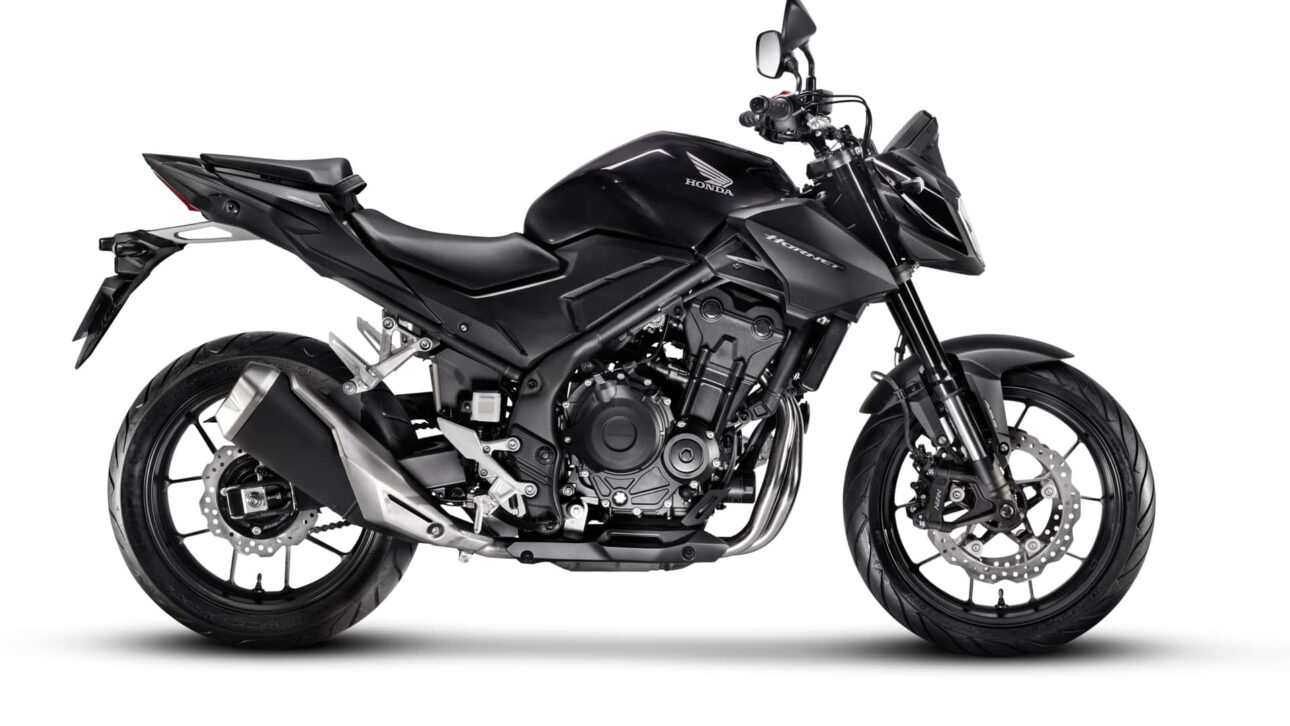
In Press Evaluations, The CB500 Hornet Proved To Be Versatile, With A Slightly Forward Riding Position And A Narrow Seat That Facilitates Quick Direction Changes.
The Seat At 789 mm From The Ground Helps Riders Of Different Heights, And The Chassis Tuning Favors Agility In Urban Environments.
On Long Trips, The Comfort Is More Contained Than In Touring Bikes; On The Other Hand, The Linear Power Delivery Avoids Surprises And Comforts Those Who Use The Bike Daily.
For Riders Expecting Explosive Power Typical Of Four-Cylinder Sport Bikes, The Gentler Behavior Of The Twin-Cylinder May Cause Initial Strangeness, But It Serves The Purpose Of Being A Reliable And Agile Medium Naked.
Chassis, Suspension And Brakes
The Diamond Frame Maintains Structural Rigidity And A Precise Road Feel.
In The Front, The CB500 Hornet Features A 41 mm Showa SFF-BP Upside-Down Fork, With A New Adjustment To Improve Control And Comfort.
In The Rear, The Pro-Link Setup Has Five Levels Of Pre-Load Adjustment.
The Braking Combines Two-Channel ABS With Double Front Discs Of 296 mm With Radial Mount Nissin Calipers And A 240 mm Rear Disc.
The System Provides Good Fatigue Resistance And Efficient Lever Feel, An Important Point For Positioning The Hornet As An Affordable Entry Option In The Medium Universe.
For Traction, The 120/70 ZR17 Front And 160/60 ZR17 Rear Tires Match The Lightened Aluminum Wheels, Reinforcing The Sense Of Lightness.
Electronics And Active Safety
The 2026 Line Premieres The HSTC (Honda Selectable Torque Control), The Brand’s Traction Control.
The System Monitors The Difference In Rotation Between The Wheels And Reduces Torque When It Detects Slippage, Always In A Smooth Manner; It Can Also Be Turned Off.
The Lighting Is Full-LED, And The Front Turn Signals Remain On As Position Lights, Enhancing The Visual Signature And Visibility In Urban Traffic.
Measures And Main Data
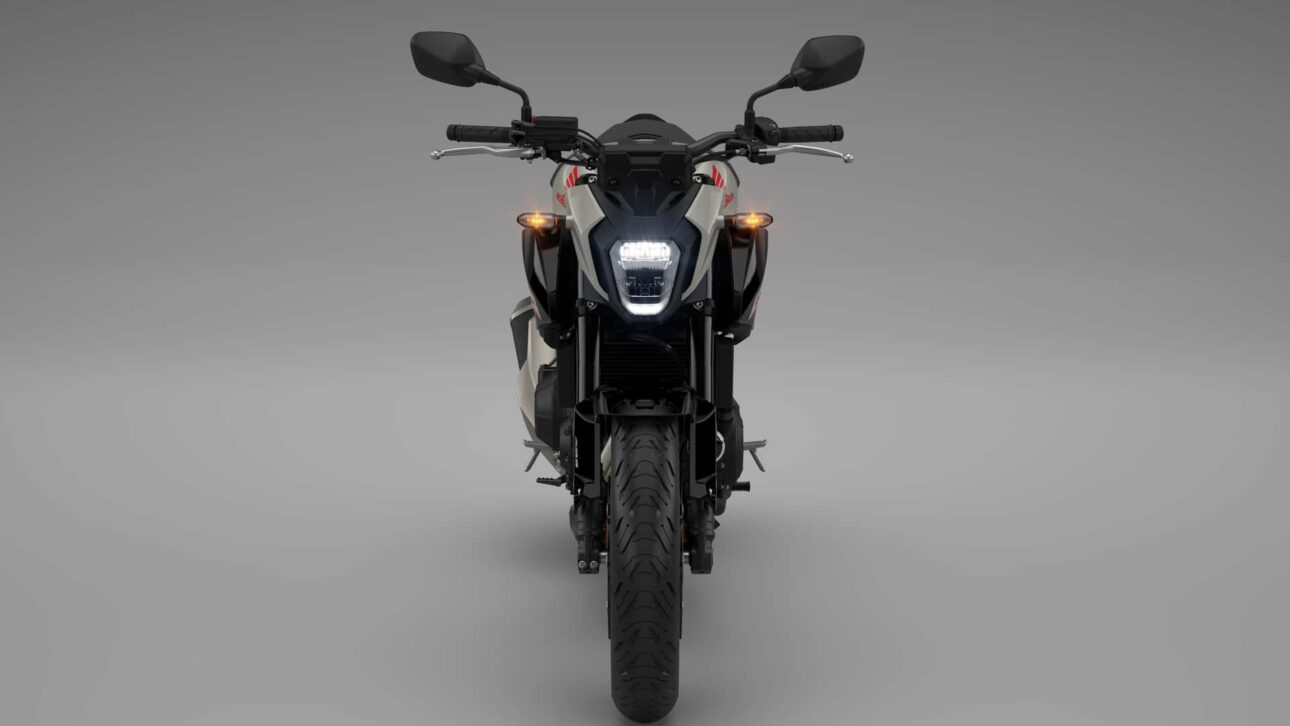
The CB500 Hornet Measures 2,080 mm In Length, 798 mm In Width And 1,059 mm In Height, With 1,409 mm Wheelbase And 144 mm Ground Clearance.
The 17.1-Liter Tank Provides Range For Extensive Urban Routes, And The Dry Weight Of 175 kg Aids In Low-Speed Handling.
Together, These Proportions Support The Proposal Of A “Do-It-All” Motorcycle, Capable Of Tackling Daily Commutes And Weekend Rides With The Same Naturalness.
Price, Colors And Availability
The Suggested Retail Price Of The CB500 Hornet 2026 Is R$ 43,040 (São Paulo Base, Excluding Freight Or Insurance).
The Warranty Is For 3 Years With No Mileage Limit, With Honda Assistance For The Entire Period.
The Announced Colors Include Red, Pearl Black And Pearl White.
According To The Manufacturer, The First Units Began Arriving At The Network Starting In June.
What The Return Of The Hornet Name Means
Besides Reviving A Symbol Of Brazilian Motorcycle Culture, The New CB500 Hornet Repositions The 500 Line As A Gateway For Those Seeking A Naked With An Aggressive Look, Basic Safety Electronics And Predictable Maintenance.
The Bet Is Less On Performance Records And More On Consistency In Real Use, Something That Can Broaden The Audience Without Alienating Those Who Value A Smart Ride.
Between Nostalgia And Rationality, The Question That Remains Is Simple: Does The Return Of The Hornet Name, Now With A Modern Twin-Cylinder And Standard Technology, Convince Both Those Who Came From The Old 600 And The New Generation Of Motorcyclists?