Portuguese
  Spanish


Dharavi, the largest slum in India and Asia, with almost 1 million inhabitants squeezed into 240 hectares in the heart of Mumbai, is being prepared for the world’s largest slum revitalization plan. According to FRANCE 24 English, the 11 billion dollar project, led by the Adani group in partnership with the Maharashtra government, promises to replace shacks that flood every year with apartments of up to 32 square meters, but less than half of the residents will be able to remain in the neighborhood.
The largest slum in Asia is about to disappear, at least in the form it has existed for decades. Dharavi, a community occupying 240 hectares in the heart of Mumbai, India’s financial capital, began receiving notifications in April 2026 for its residents to vacate their homes before the monsoon season. The revitalization project plans the demolition of practically the entire slum and the construction of skyscrapers, hospitals, schools, parks, and sanitation systems in a transformation that the Adani group estimates to complete by January 2032. The total cost is approximately 95,790 crore rupees, about 11 billion dollars.
The plan is a partnership between the Adani group, which holds 80% of the operation, and the Maharashtra state government, with 20%. The company created Navbharat Mega Developers as a vehicle to conduct the project. The promise is to transform the slum that inspired the movie “Slumdog Millionaire” into a modern neighborhood, with decent housing for current residents. But the reality is more complex: less than half of the nearly 1 million inhabitants will be able to remain in Dharavi, and some of those relocated may end up near Deonar, Mumbai’s largest landfill, where 600 tons of garbage are dumped daily.
How the house-to-house survey works in the slum
Project teams have started to visit thousands of Dharavi residences daily with portable scanners and cameras to record the layout, size, and conditions of each dwelling. Each house receives an identification number, and residents are assessed according to eligibility criteria that determine who will receive a new apartment and under what conditions.
-
$134.7 Million Project in São Paulo Installs Over 5 Kilometers of Pipes, Creates New Underwater Crossing to Boost Water Supply for Over 450,000 People

-
At 61, Former Homeless Wheelchair User Receives Key to Container Home in Brazil, Declares Independence
-
São Paulo Highway to Receive Over $260 Million in Upgrades, Including 90 Kilometers of Service Roads and New Infrastructure, by 2027
-
Couple Transforms Abandoned Seaside Public Restroom Bought for £33,000 into £295,000 Beach House After a Decade of Renovations


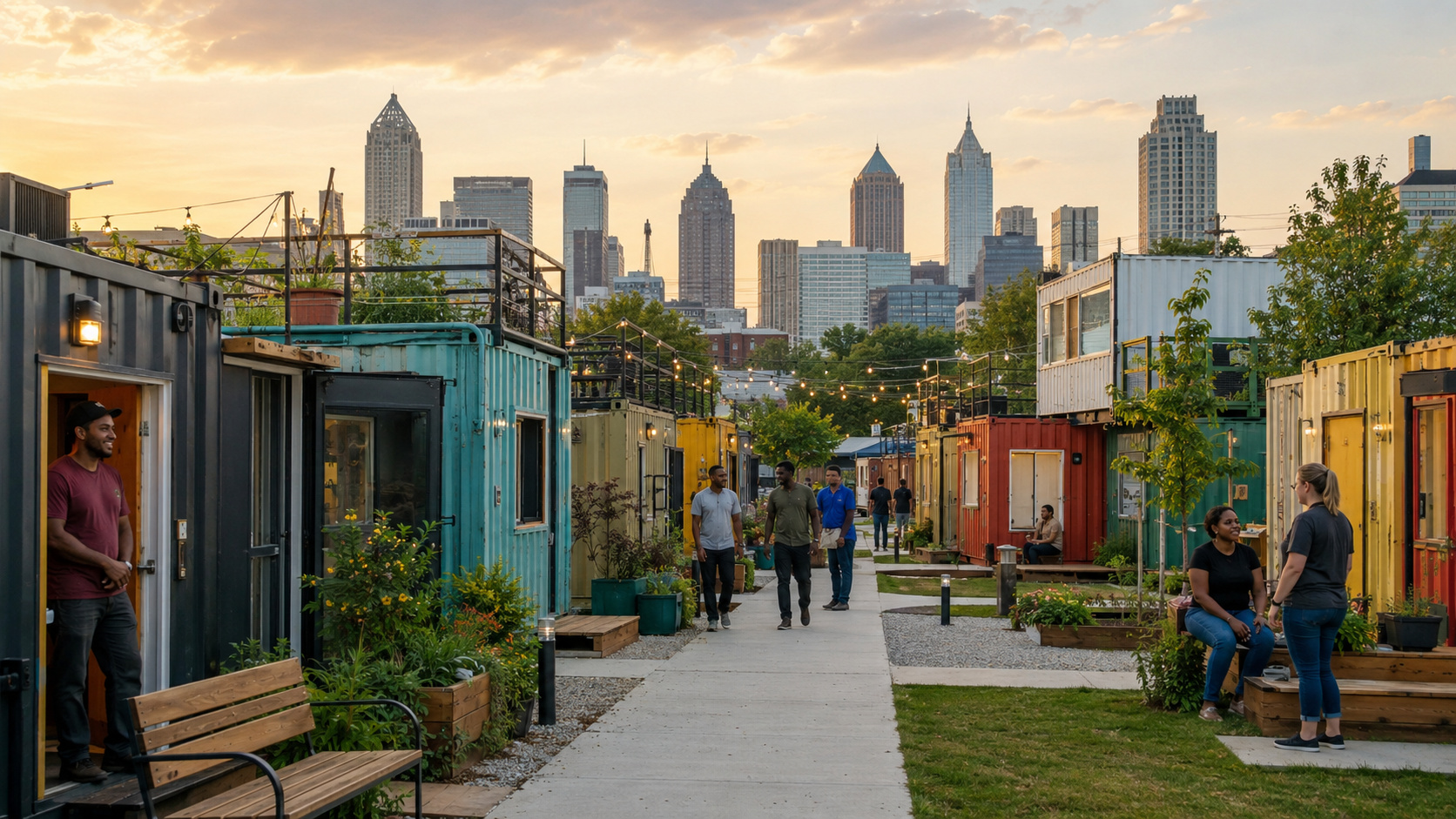


Residents who lived in the slum before the year 2000 will receive free apartments within Dharavi, with an area between 32 and 70 square meters. Those who settled between 2000 and 2011 will be entitled to subsidized housing outside the neighborhood. Those who arrived after 2011 will only receive the option of subsidized rent outside Dharavi. The previous survey had a 15-year lag, meaning many residents may not have adequate documentation to prove their stay.
The 1 billion dollar informal economy that could disappear

Dharavi is not just a residential slum, it is an economic hub that moves over 1 billion dollars a year in small-scale industries. Leather workshops, ceramics, clothing manufacturing, and plastic recycling employ thousands of workers and support families for generations. The central concern of traders is that relocation will destroy customer and supplier networks built over decades.
Ramchur Sabdas, a ceramist who earns about 300 dollars a month with his business, represents the dilemma of thousands: his family has worked in the slum for four generations, and he has no guarantee that he will have a market in the new location. Javeed Ahmed, a community leader, summed up the contradiction: the revitalization promises to build a modern neighborhood, but for whom exactly is it being built? If the goal is to benefit the slum people, why does a significant part of them need to be removed to make way for the project?
The conditions that make revitalization urgent
It’s hard to argue against the need for change when you know the conditions in Dharavi. The shacks are so narrow that a person can touch both walls with outstretched arms. The ground floor houses flood every year during the monsoon, and sunlight does not reach many of the alleys where children grow up without a playground, without their own bathroom, and without drinking water.
Residents report that they need to go to neighboring neighborhoods to use public bathrooms, paying for each use. Air pollution and lack of basic sanitation cause chronic respiratory diseases. A resident who has lived in the slum for 40 years said she wants a better future for her children and that the current conditions do not allow them to grow up healthy. Revitalization represents, for these families, the possibility of sanitation, security, and dignity.
Relocation near the Deonar landfill


The most controversial point of the project is the fate of the residents who will not be able to remain in Dharavi. One of the five relocation sites in Mumbai is the area near the Deonar landfill, where 600 tons of waste are dumped daily. Gases such as hydrogen sulfide, methane, and carbon dioxide are continuously released by the landfill, posing a proven risk to human health.
The authorities promise to decontaminate the area before the arrival of the residents, but experts estimate that the complete degradation process of the waste may take more than 10 years while the project schedule foresees relocations in the next seven. Javeed warned that if the move is inevitable, it should at least happen in places where the residents’ health is not put at risk. The transfer of people from a slum without sanitation to the vicinity of a landfill raises the question of what kind of improvement is really being offered.
The 48 hectares that the Adani group may sell
After the relocation of the residents and the demolition of the slum, the Adani group will have access to 48 hectares of land in one of the most valued locations in Mumbai. This area can be developed into residential and commercial ventures for sale at market price in Mumbai, which represents the financial return of the 11 billion dollar investment. The land remains the property of the Maharashtra government, but the right to commercial exploitation belongs to the consortium led by Adani.
Critics point out that the model disproportionately benefits the conglomerate of Gautam Adani, considered a close ally of Prime Minister Narendra Modi. The project faced legal challenges — a company from the United Arab Emirates tried to challenge the bidding, but the Bombay High Court upheld the award to the Adani group. The Supreme Court of India asked Adani for explanations about allegations of unfair advantage in obtaining the contract. The project refused to grant interviews to the international press about the residents’ concerns.
Do you think transforming Asia’s largest slum into a modern neighborhood justifies removing more than half of the residents? What catches your attention the most: the 32 square meter apartments, the relocation near the landfill, or the 48 hectares that Adani may sell? Tell us in the comments.