






 Portuguese
  Spanish


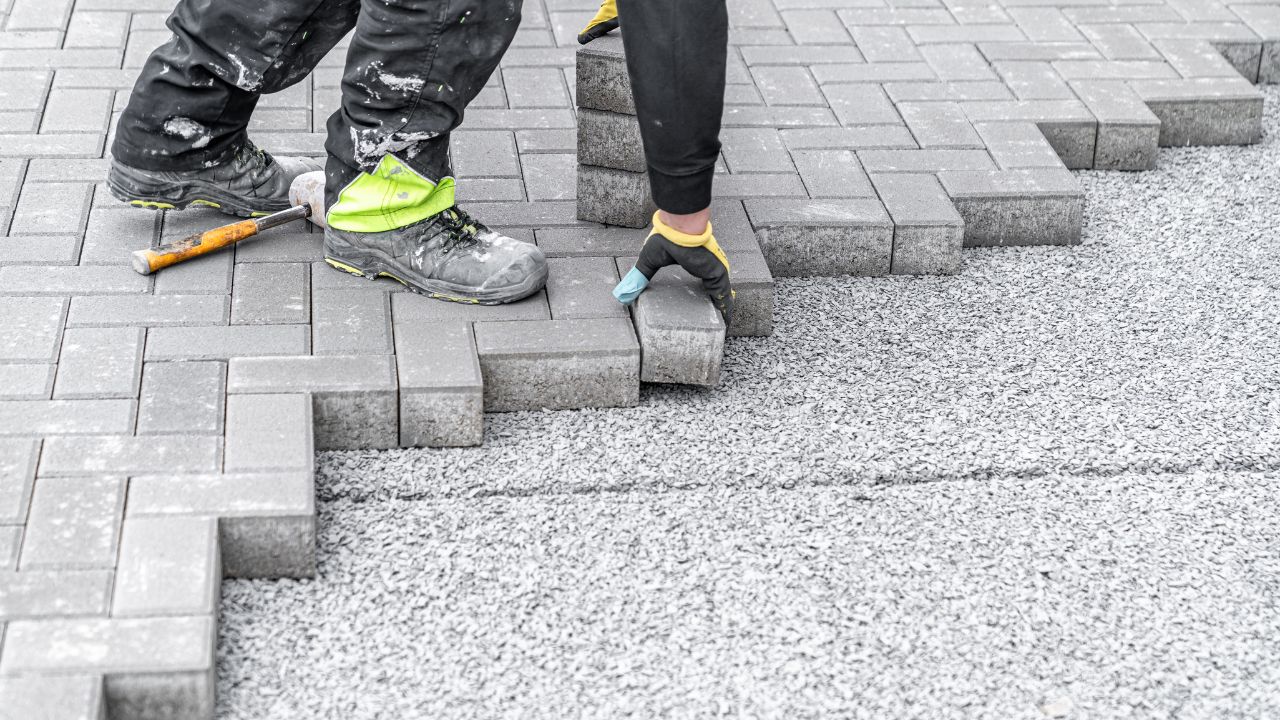

Find out how much a sidewalk with interlocking pavement costs and learn about the factors that most influence the final budget of the project.
Those who intend to build a sidewalk with interlocking pavement need to consider more than just purchasing the concrete blocks. The total cost of the project can range from approximately R$ 5,000 to R$ 18,000 for areas between 40 m² and 80 m², depending on the project’s characteristics, the necessary ground preparation, and the required pavement strength. Without proper planning, expenses that usually do not appear in the initial budgets can significantly increase the final investment value.
How much does a sidewalk with interlocking pavement cost?
The question of how much this type of paving costs does not have a single answer. This is because various elements directly influence the price composition.
According to the Market Monitor, in smaller or simpler projects, expenses tend to be closer to the lower range. However, areas that require more resistant materials or additional ground interventions can increase costs.
-
China’s Engineered Bamboo: The “Material of the Future” Stronger Than Steel and a Sustainable Wood Alternative

-
Egypt’s “New Nile”: 170 km Artificial River Aims to Turn Desert into Farmland, but Water Supply Concerns Loom
-
Unable to secure a mortgage as a self-employed single mother, she designed her own floating home from a 20-meter boat and now lives “off-grid” with her two children and solar panels on an English canal.
-
Man Transforms Rusty Shipping Container into Luxury Home with Insulated Walls, Large Windows, and Drywall Finish, Surprising Onlookers


Another important factor is the purpose of the paved area. Spaces intended only for pedestrian circulation usually require different specifications than those that constantly bear the weight of automobiles.
What is included in the project cost?
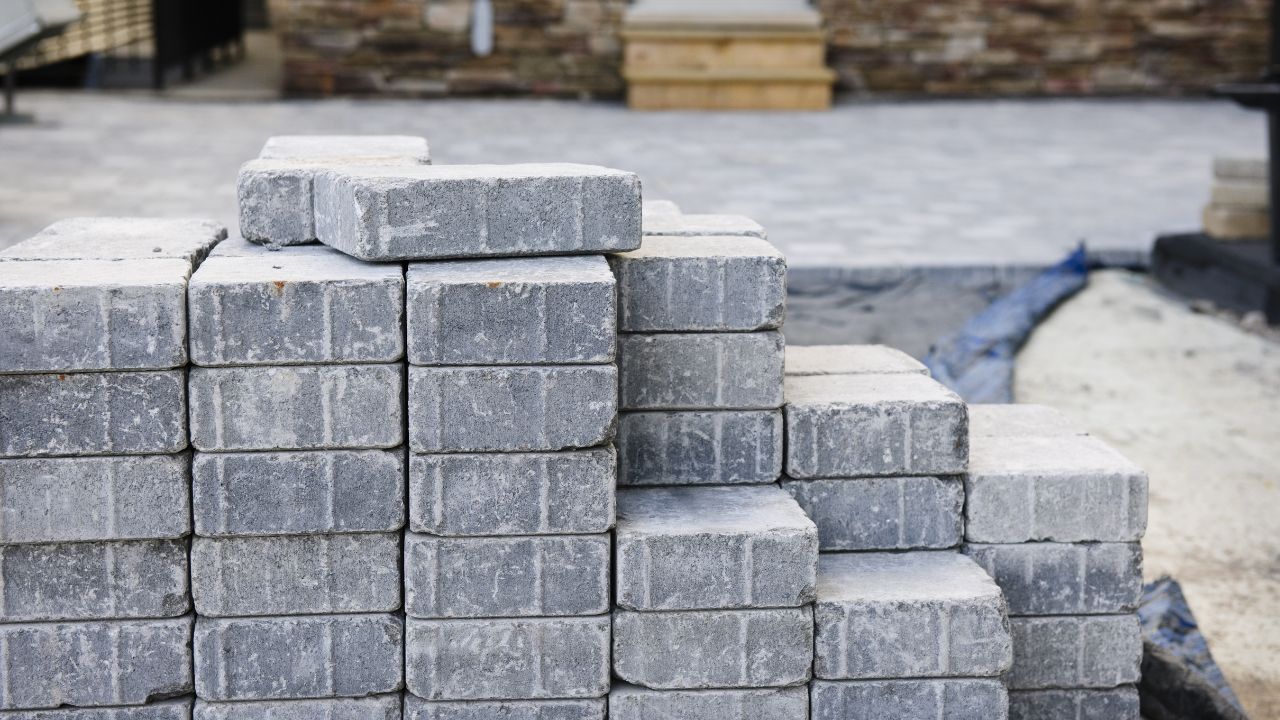
Many people associate the budget only with the purchase of decorative blocks, but the execution involves a series of complementary steps.
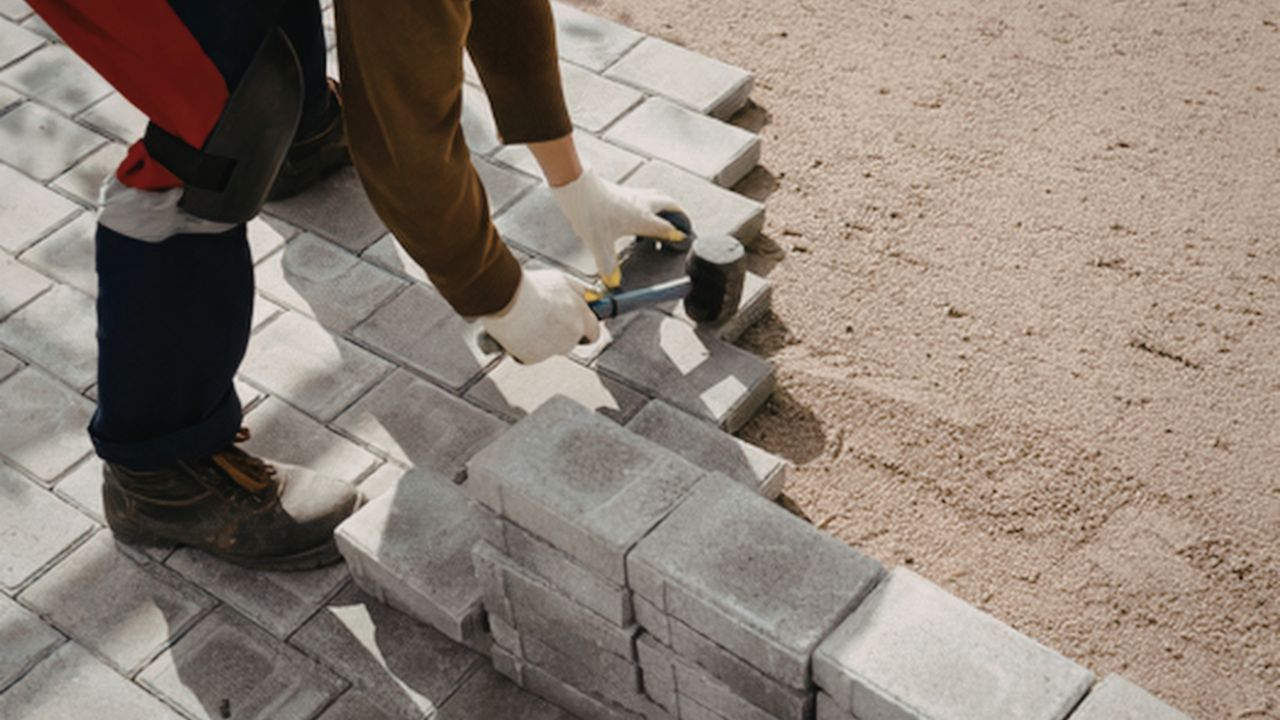
Before installation, the ground needs to be prepared to receive the covering. Depending on the site’s conditions, this may require additional services that directly impact the total cost.
Among the frequently involved expenses are:
- Soil correction and leveling;
- Removal of debris and accumulated materials;
- Implementation of water drainage systems;
- Preparation of the support base;
- Containment structures to keep the blocks stable.
Ignoring these items during financial planning can lead to considerable differences between the initial budget and the actual amount spent.
How does an interlocking pavement sidewalk work?
This system uses pre-manufactured concrete pieces, which are placed over a compacted sand layer.
The stability does not depend on mortar. Instead, the blocks remain firm due to the interlocking of the pieces and the filling of the joints. This method creates a resistant surface and facilitates future interventions when necessary.
If it is necessary to access pipes or perform underground repairs, the blocks can be removed and replaced later, without the need to rebuild the entire area.
Besides resistance, drainage is one of the features that most attract attention in this type of pavement.
Technical information from the Brazilian Portland Cement Association indicates that proper installation helps prevent water accumulation on the surface. As a result, problems related to puddle formation and premature wear of the structure are reduced.
The ability to allow drainage also helps to minimize the effects of rain in urban areas, while improving pedestrian circulation.
Strategies to reduce construction costs
Researching prices remains one of the main ways to save.
The ideal is to request detailed proposals from different suppliers to compare not only the material costs but also the costs of the services involved.
Another relevant point is transportation. Since the materials used are heavy, freight can represent a significant portion of the budget.
Therefore, purchasing products from manufacturers located in the same region can result in savings. Additionally, organizing the arrival of supplies in advance helps avoid delays and waste during execution.
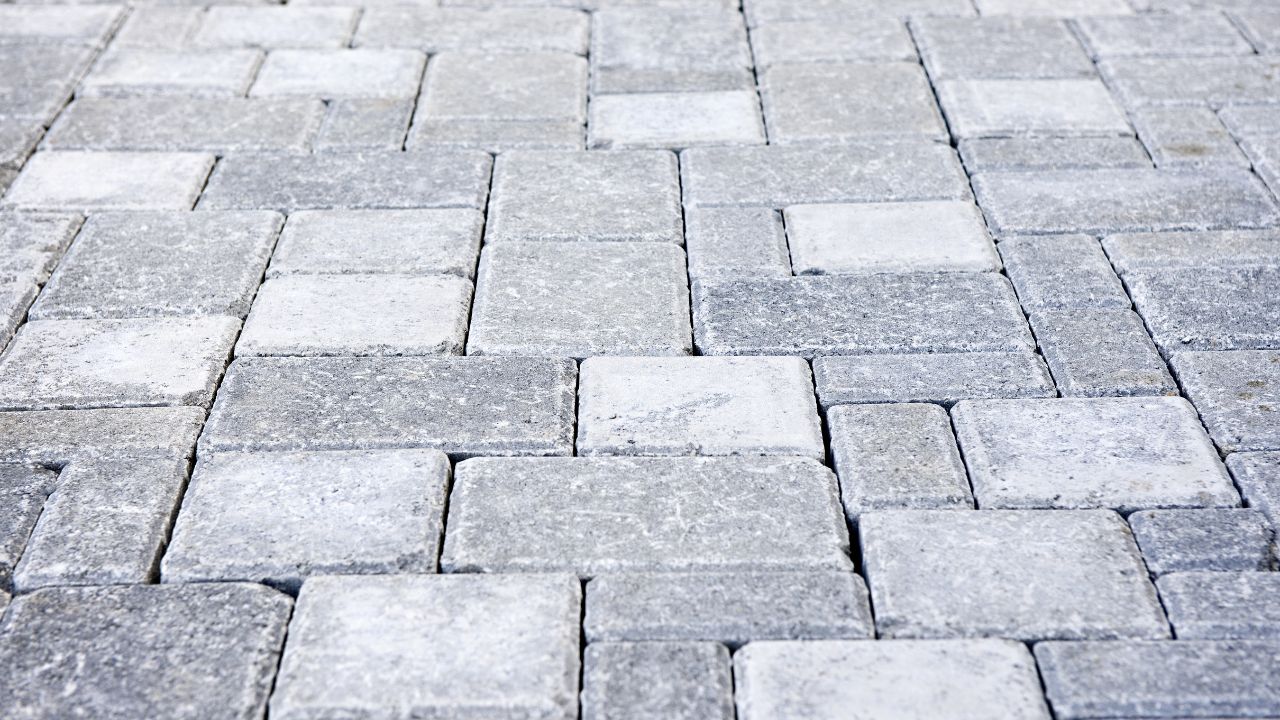
When evaluating how much this type of paving costs, the owner must consider all the elements that make up the project. The installation of a sidewalk with interlocking pavement involves steps that go far beyond placing the blocks and require attention from the start of planning.
With a detailed analysis of the costs and the needs of the land, it becomes easier to keep the project within the planned budget and avoid financial surprises during execution.
With information from Monitor do Mercado







