





 Portuguese
  English
  Spanish
  6 min of reading
  0 comments


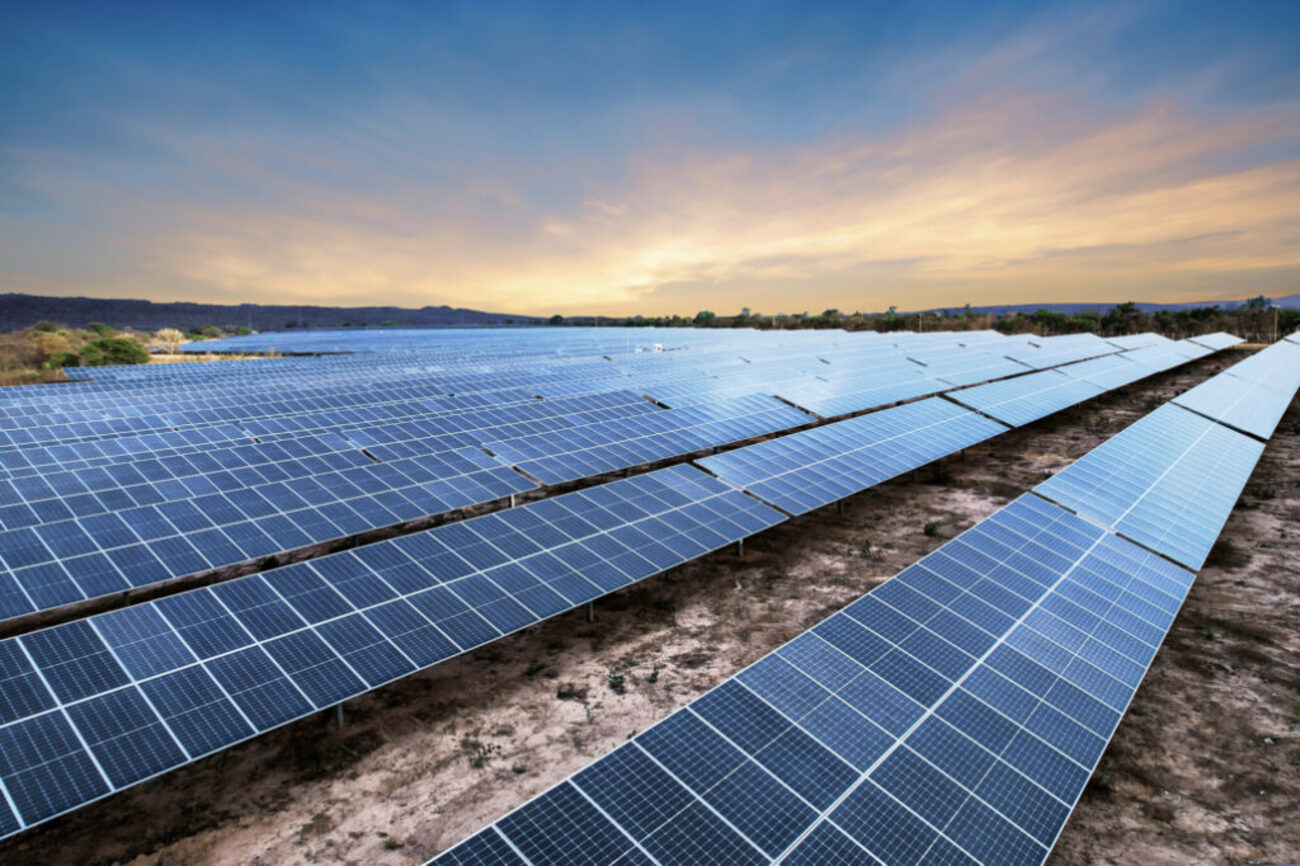
The global market registers a historic drop and the cost of solar energy reaches minimum levels, allowing millions of consumers to abandon fossil sources in search of economy and sustainability.
The renewable sector is experiencing a moment of technological euphoria, as the cost of solar energy has dropped 87% in just a decade, while the price of storage batteries has plummeted an impressive 93%.
These data, confirmed by reports from international energy agencies, reveal that photovoltaic generation now holds the position of the cheapest source in history in most countries.
The combination of affordable solar panels and low-cost storage systems allows homes and industries to operate with total independence from the traditional power grid. This technical advancement eliminates the financial barriers that previously limited the adoption of clean energy, thus democratizing access to the sun as a primary fuel.
-
Solar panels at sea can generate up to 12% more energy than land-based plants, study finds: Researchers from Taiwan discovered that offshore solar panels take advantage of the natural cooling of water to increase electrical efficiency, reduce heat losses, and expand renewable energy production in regions with limited available land space.

-
The era of solar panels attached to roofs is beginning to change with transparent glass that generates energy while keeping the view unobstructed, and perovskite photovoltaic windows already tested in offices in Japan promise to transform entire facades into invisible power plants without blocking light or altering the appearance of buildings.

-
The era of silicon alone in solar energy comes to an end with the arrival of perovskite, a material that captures a broader light spectrum, is applied as a thin film, and, together with silicon, reaches a theoretical limit of 45% efficiency in tandem modules.

-
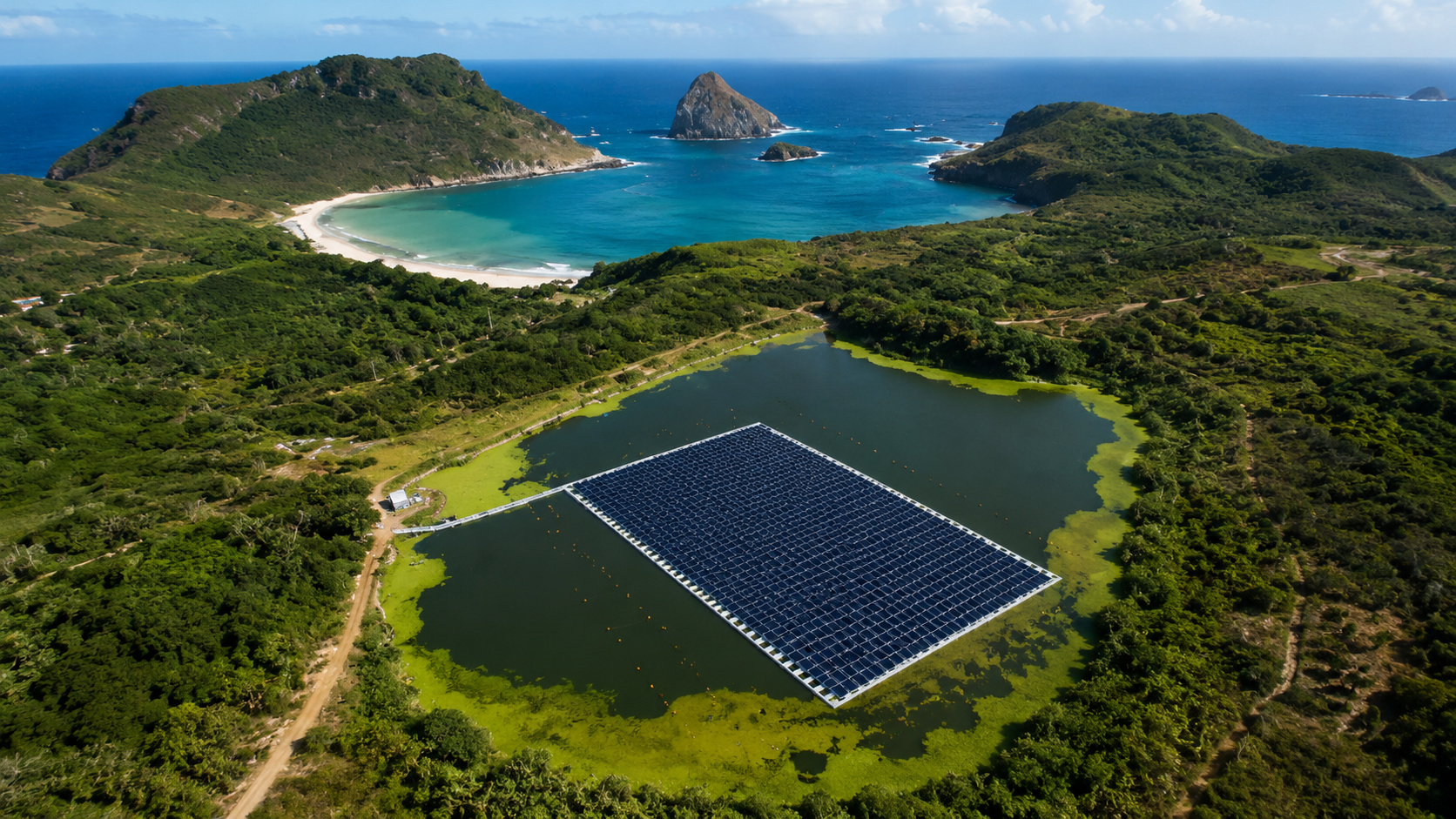
Fernando de Noronha begins unprecedented energy transformation with a R$ 350 million solar plant that promises to replace diesel generation and change the island’s sustainable future by 2027.



In addition to the direct savings on electricity bills, the drop in battery prices accelerates the viability of electric vehicles and off-grid systems in remote areas. The real impact of this technological deflation reshapes the global energy matrix, forcing major powers to revise their infrastructure plans to accommodate the abundance of sunlight.
The free-fall trajectory of solar energy costs
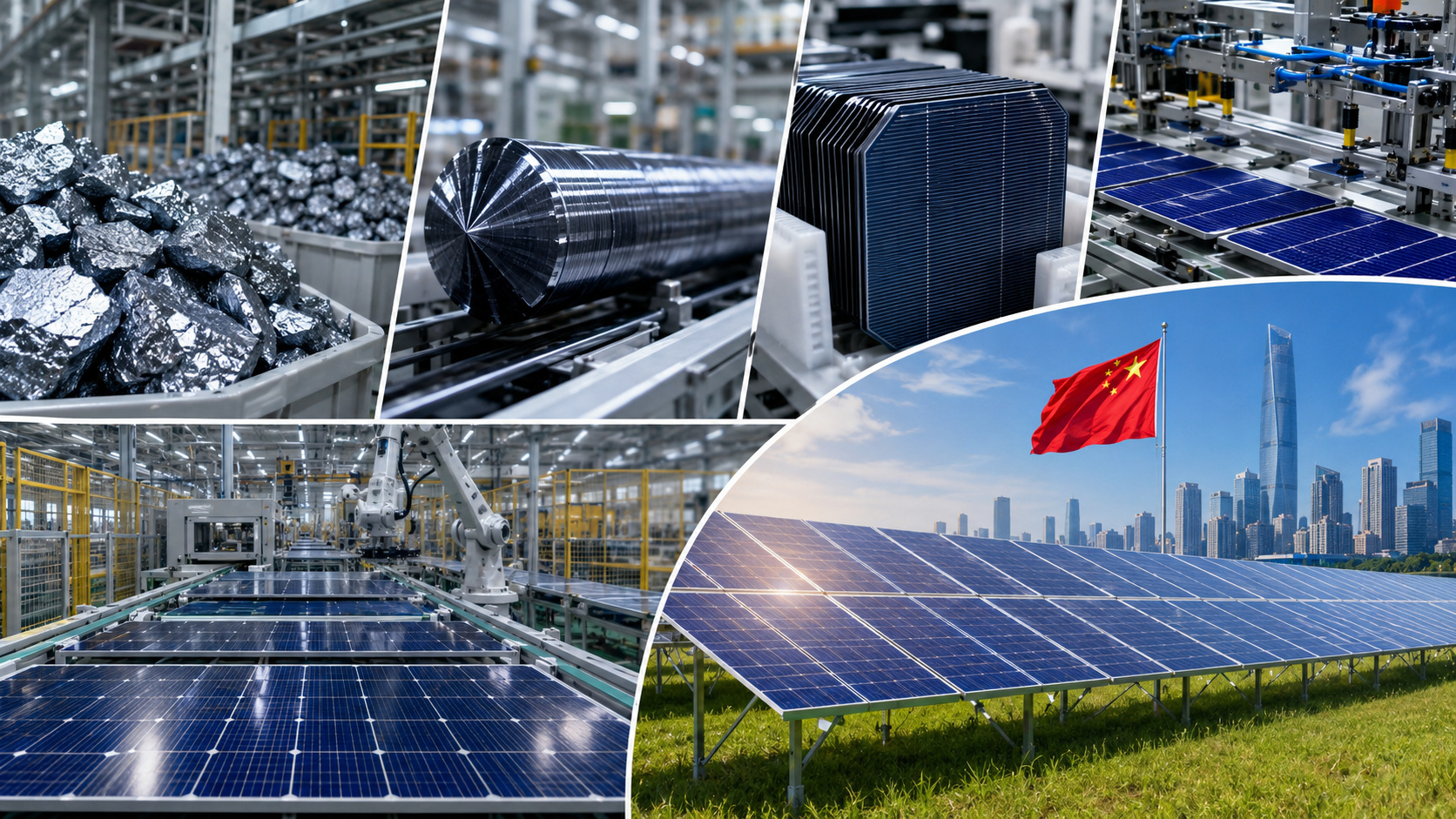
Photovoltaic engineering has evolved at a speed comparable to the semiconductor and computer industry. In recent decades, the cost of solar energy followed a gradual reduction pace, but the industrial scale gain in China and Europe brutally accelerated this process.
The increase in the efficiency of silicon cells has allowed panels to generate more electricity while occupying the same physical space, which has reduced the cost per installed watt.

The global market has stopped viewing solar energy as a luxury item and treats it as a basic necessity for financial management. Large industries install their own plants to escape tariff flags and the constant adjustments of distributors.
The mass production of photovoltaic modules has driven down the price of basic inputs, ensuring that the initial investment pays off in an increasingly shorter time, often in less than four years for residential systems.
The secret behind the drop in battery prices
If the sun provides energy during the day, batteries ensure autonomy at night. The 93% drop in energy storage prices has changed the game for those seeking self-sufficiency. The development of lithium-ion batteries, driven by the automotive industry, has created an efficient and low-cost supply chain.
Economies of Scale: The construction of mega battery factories has reduced the fixed production cost per unit.
Chemical Improvement: New chemical components allow batteries to last more cycles, increasing the system’s lifespan.
Optimized Logistics: The transportation and installation of these systems have become standardized and agile processes.
This scenario allows consumers to store excess energy produced at noon for use during peak hours, when utility energy costs much more. This energy arbitrage dynamic generates an indirect profit that was previously impossible for the average citizen.
The sun as the cheapest source in history
Did you know that the International Energy Agency (IEA) classified solar energy as the cheapest form of electricity ever produced by humanity? This title is not just symbolic; it reflects the reality of international bids, where large solar plants deliver energy for a fraction of the price of thermal or hydroelectric plants.
Unlike coal or natural gas, the sun does not send a bill for fuel. Once the investor pays off the installation, the variable operating cost is practically zero. This feature makes solar energy unbeatable in terms of financial predictability.
While the price of oil and gas suffers from geopolitical fluctuations and wars, the cost of solar energy remains stable and declining, providing security for governments and investors.
Practical impact on the Brazilian consumer’s pocket
Brazil has one of the best solar irradiation rates in the world, which amplifies the effects of falling global prices. Here, the cost of solar energy finds fertile ground due to the high electricity rates charged by utilities. When equipment prices drop in the international market, the return on investment (ROI) for Brazilians improves significantly.

The installation of a residential solar kit today costs a fraction of what it did ten years ago. Additionally, the emergence of specific credit lines for clean energy allows the financing installment to be lower than the amount saved on the bill.
In practice, the system pays for itself. After the financing is settled, the owner enjoys a reduction of up to 95% in monthly electricity costs for decades.
The revolution of electric vehicles and solar integration
The drop in battery costs benefits not only homes but also garages. The decreasing price of storage cells makes electric cars more competitive against combustion models.
The synergy between low solar energy costs and affordable batteries creates the ideal scenario: the user generates their own energy on the roof and fuels the vehicle without spending a cent on gasoline.
This integration transforms the home into a smart energy ecosystem. The car ceases to be just a means of transportation and starts functioning as a mobile battery for the house (V2H technology – Vehicle-to-Home). In case of a power outage in the public grid, the vehicle can power basic appliances, ensuring comfort and safety for the family.
Logistical challenges and the future of mining
Despite the drop in prices, the industry faces the challenge of ensuring the supply of critical minerals, such as lithium, cobalt, and nickel. The explosive demand for batteries requires more efficient and sustainable mining. Researchers are seeking alternatives, such as sodium batteries, which use table salt as the main raw material, potentially reducing costs even further in the future.
The recycling of solar panels and batteries is also on the agenda of major companies. Creating a circular economy, where materials from old systems are used to manufacture new equipment, prevents the volatility of raw material prices.

This ensures that the cost of solar energy continues on its downward trajectory in the coming decades, without relying solely on the extraction of new resources from the ground.
The role of public policies and tax incentives
The reduction in costs did not happen by chance. Government incentives in various countries created the necessary market for the industry to gain strength. In Brazil, laws that guarantee the right to generate one’s own energy and inject excess into the grid have been fundamental.
The exemption from import taxes for certain photovoltaic components helps keep the cost of solar energy competitive for the end consumer. Governments that invest in grid infrastructure to support distributed generation see a reduction in pressure on hydroelectric plants, especially during dry periods. Solar energy acts as insurance against water crises, keeping the economy running even when reservoirs are low.
Sustainability as an economic driver in the cost of solar energy
The transition to solar energy has ceased to be a purely environmental topic and has become an economic imperative. Companies that ignore the reduction of solar energy costs lose competitiveness against rivals who have already adopted the technology. The “100% renewable” label attracts conscious investors and consumers, adding value to the brand.
The reduction of greenhouse gas emissions occurs as a profitable collateral benefit. By replacing diesel generators or expensive grid energy with solar, the company improves its profit margins and public image. Photovoltaic technology proves that it is possible to combine aggressive economic growth with planet preservation, removing the stigma that being sustainable is expensive.
The 87% drop in solar energy costs and 93% in batteries marks the beginning of a new era for humanity. The sun, once an underutilized resource, now takes center stage in rebuilding a cleaner and more efficient world. The technology has removed the shackles that bound consumers to energy monopolies, delivering the power of generation into the hands of every citizen.
The impact of this revolution reaches from small rural homes to large industrial parks. With prices at record low levels, the time to invest in photovoltaic systems has never been more favorable. The sun continues to shine every day, but now, thanks to science and industry, it also lights the way to a more prosperous economy, free from pollution and financially accessible to all.






Be the first to react!