






 Portuguese
  Spanish


Hyundai and EDB Form New Partnership in Singapore to Drive Green Hydrogen Projects and Low-Carbon Technologies, Strengthening Global Energy Transition
On November 3, 2025, Hyundai Motor Group (HMG) signed a Memorandum of Understanding (MoU) with the Singapore Economic Development Board (EDB) to strengthen cooperation on green hydrogen and low-carbon technologies.
According to an official statement published on the automaker’s website, the agreement aims to accelerate the development of sustainable energy solutions and reduce carbon emissions globally, aligning with climate commitments made by both countries.
Partnership Between Hyundai and EDB Strengthens Sustainable Innovation
The partnership was formalized in Singapore and symbolizes the expansion of Hyundai’s presence in energy transition projects, positioning the Asian country as a strategic hub for clean energy innovation.
-
Brazilian scientists are simultaneously advancing two research projects on clean hydrogen and driving solutions that could transform the energy matrix, enhance industrial competitiveness, and accelerate large-scale emission reduction targets.

-
Advancement in renewable energy: A R$ 150 million project launched by Petrobras and Finep aims to create state-of-the-art electrolyzers for green hydrogen, strengthening national research and preparing Brazil to compete in a billion-dollar energy market.
-
Illiterate or semi-literate grandmothers were trained to repair solar systems, open rural workshops, and light up homes that still depended on kerosene.
-
The world has bet on green hydrogen as the fuel of the future, but now faces the side effect: producing 1 kilogram requires about 9 liters of ultrapure water, and the largest projects on the planet are precisely in the driest regions of the Earth, where water is already scarce for people.




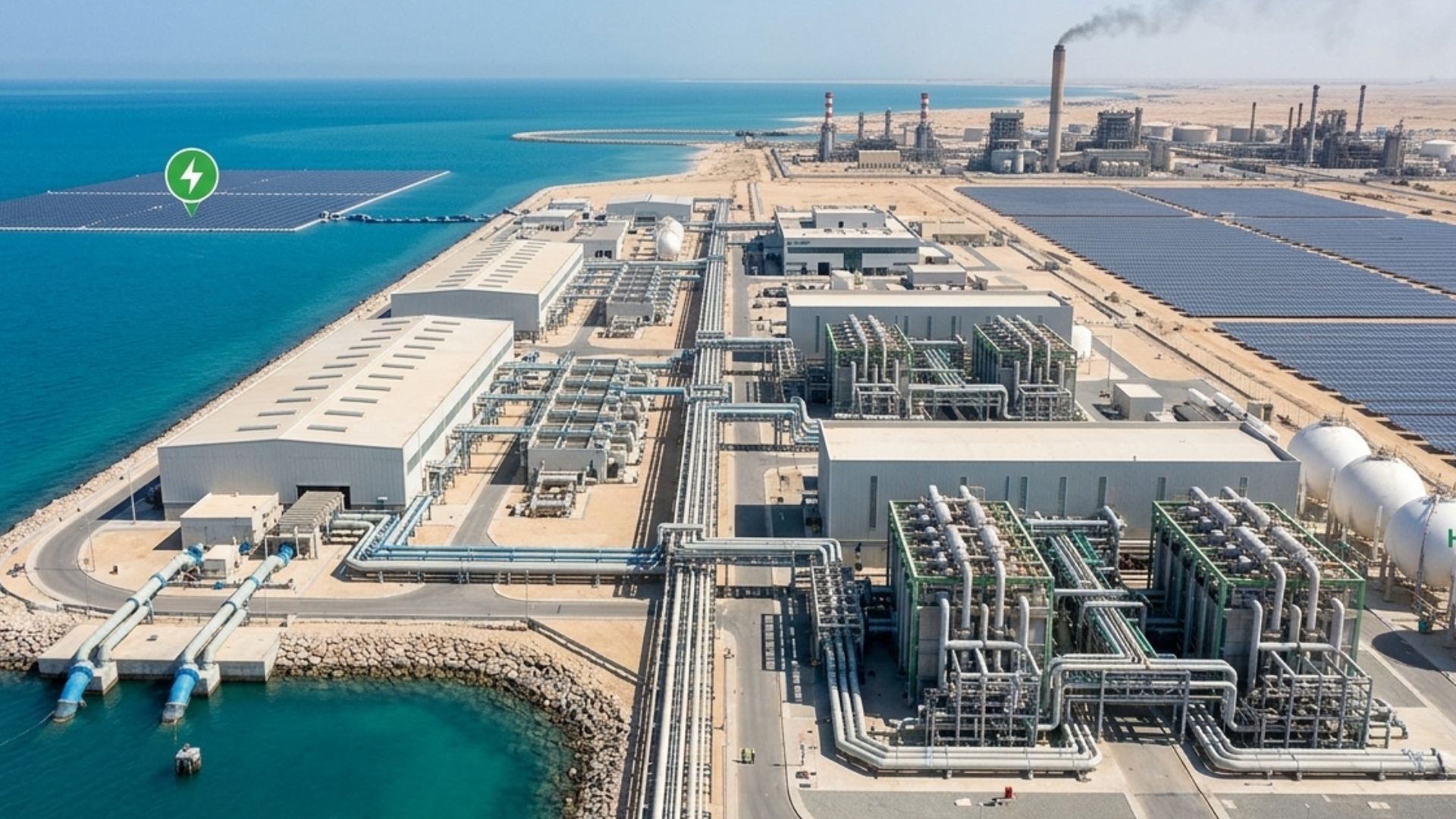
The agreement between Hyundai and EDB is seen as an important step in consolidating Singapore as a center for green technology and industrial innovation. The collaboration involves research, testing, and implementation of hydrogen-based solutions, focusing on the use of pipeline infrastructure and the creation of an ecosystem geared towards a low-carbon economy.
According to Hyundai, the MoU aims to identify joint opportunities for advancing low-carbon technologies, integrating experimental projects, applied research, and public policies aimed at decarbonization.
The EDB, for its part, highlighted that the partnership reflects Singapore’s commitment to attract sustainable international investments and expand its technical knowledge base in clean energy.
Hyundai and EDB Boost Low-Carbon Technologies
The cooperation between Hyundai and EDB goes beyond hydrogen. The MoU also includes the development of low-carbon technologies, focusing on industrial processes, electric mobility, and innovation in sustainable materials.
These solutions range from energy efficiency in vehicle production to the use of artificial intelligence and digitalization to optimize industrial processes with a smaller carbon footprint.
The agreement reinforces the role of the Hyundai Motor Group Innovation Center Singapore (HMGICS) as an advanced laboratory for testing new concepts of mobility and energy.
According to Hyundai’s publication, the innovation center in Singapore has played a crucial role in experimenting with decarbonization and electrification technologies. The country’s flexible regulatory environment and modern infrastructure allow testing and prototyping to be conducted swiftly.
This collaboration could also influence global supply chains, providing practical pathways for automakers and suppliers to integrate cleaner practices into the automotive industry.


Impact of the Agreement on the Global Energy Landscape
The signing of the agreement between Hyundai and EDB represents a growing trend: the partnership between governments and large corporations to accelerate decarbonization.
Green hydrogen and low-carbon technologies are essential to meet global climate goals, especially in hard-to-electrify sectors such as maritime transport, aviation, and steelmaking.
The IEA reports a substantial pipeline of announced hydrogen projects and noted that only a small fraction of the announced capacity (4%) has reached FID or construction. This gap reveals the urgent need for partnerships like that of Hyundai and EDB, capable of driving infrastructure, research, and commercial viability.
Singapore, due to its geographic position and logistical capacity, has unique conditions to become a hydrogen distribution hub in Southeast Asia. Meanwhile, Hyundai, with its global presence and expertise in clean mobility, adds scale and technology to the initiative.
Challenges for Green Hydrogen Projects and Low-Carbon Technologies
Despite the optimism, the partnership faces significant challenges. The production of green hydrogen still has high costs, mainly due to reliance on renewable electricity. Moreover, transport and storage infrastructure requires substantial investments to become economically viable.
Another critical point is international regulation. There is still a lack of standardization in hydrogen certifications and specific tax policies, which complicates market integration.
To address these barriers, the agreement foresees collaboration between universities, startups, and research centers in Singapore and South Korea, aiming to create joint solutions. Hyundai is also exploring pilot projects that could test technologies on a small scale before industrial application.
The energy transition requires time, investment, and multi-sector cooperation, but initiatives like this create an important precedent for other countries and companies.
Relevance of the Partnership for Singapore and the Global Industry
In recent years, Singapore has sought to establish itself as a regional hub for green technology and climate innovation. The partnership with Hyundai reinforces this positioning, broadening the reach of its public policies and strengthening its international competitiveness.
On the corporate side, Hyundai Motor Group demonstrates a clear strategy for diversification. By investing in hydrogen, renewable energy, and electrification, the company distances itself from the traditional image of an automaker to transform into a clean mobility and energy ecosystem.
Experts point out that agreements of this type help to stimulate the green economy and generate high-skilled jobs. Industry studies estimate that the hydrogen sector could create millions of jobs by 2050, especially in countries that lead the innovation.
The Future of Energy Transition with Hyundai and EDB
The signing of the agreement between Hyundai and EDB, on November 3, 2025, represents much more than an institutional cooperation — it’s a milestone in the evolution of the low-carbon economy.
The green hydrogen projects and low-carbon technologies developed from this partnership have the potential to redefine industrial standards and accelerate the meeting of international climate targets.
The message is clear: the future of energy will be built by those who invest in innovation and sustainability now. With this agreement, Hyundai and EDB show that the energy transition is not just a promise but a concrete action anchored in science, planning, and collaboration.
As other economies follow the same path, Singapore establishes itself as a model of an innovative country, and Hyundai reinforces its global position as a benchmark in clean mobility and industrial decarbonization.




