Portuguese
  Spanish


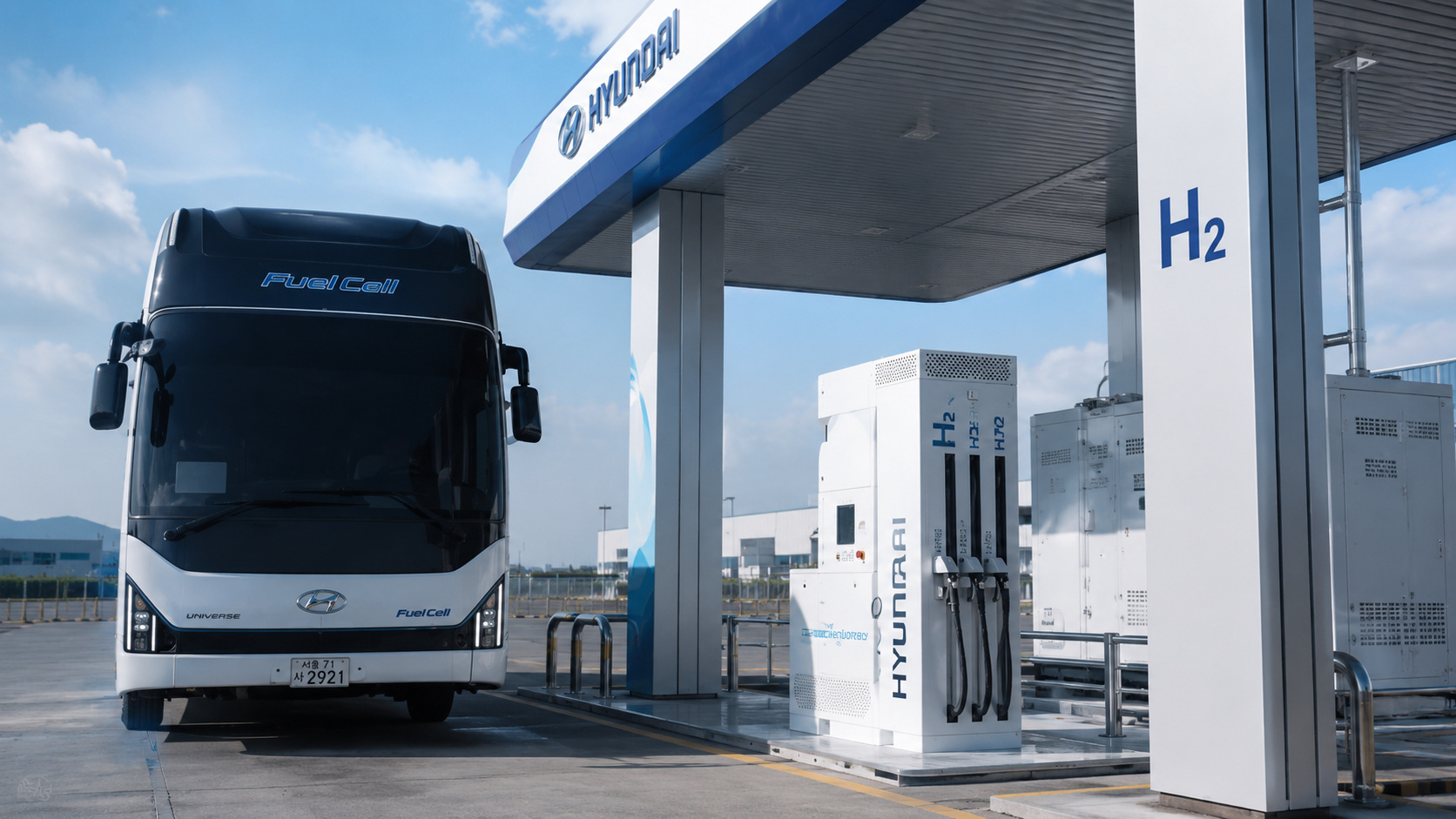

Hyundai announces project in Hong Kong to create a hydrogen hub in Asia with a focus on clean energy, sustainable transport, and automotive innovation.
Hyundai has announced an ambitious plan to transform Hong Kong into one of Asia’s main hydrogen centers. The initiative brings together companies from South Korea, mainland China, France, and the Asian territory itself to create a complete ecosystem focused on the production, distribution, and use of clean fuel.
The project was presented during the International Hydrogen Development Symposium 2026, held from May 18 to 20 in Hong Kong. The proposal includes local production of low-carbon hydrogen, installation of refueling stations, and use of fuel cell-powered commercial vehicles.
According to a publication by Inside EVs on May 25, the strategy shows that Hyundai continues to bet on hydrogen as an important alternative for the automotive industry, especially in heavy transport operations and commercial mobility.
-
Rolls-Royce Turns Heads with 30-Inch Floating Wheels, 6.6-Liter V12 Engine, and 563 Horsepower

-
2019 Kia Sportage EX: A Spacious and Cost-Effective SUV with 2.0 Flex Engine and Panoramic Roof
-
Fiat Strada Becomes Top Seller in June, Surpassing Onix, Polo, Hilux, and T-Cross with 107 HP Engine and 732 km Range.

-
Suitcase-sized hydrogen engine spins at 25,000 rpm, nearly doubling the efficiency of conventional cars and replacing exhaust smoke with water vapor


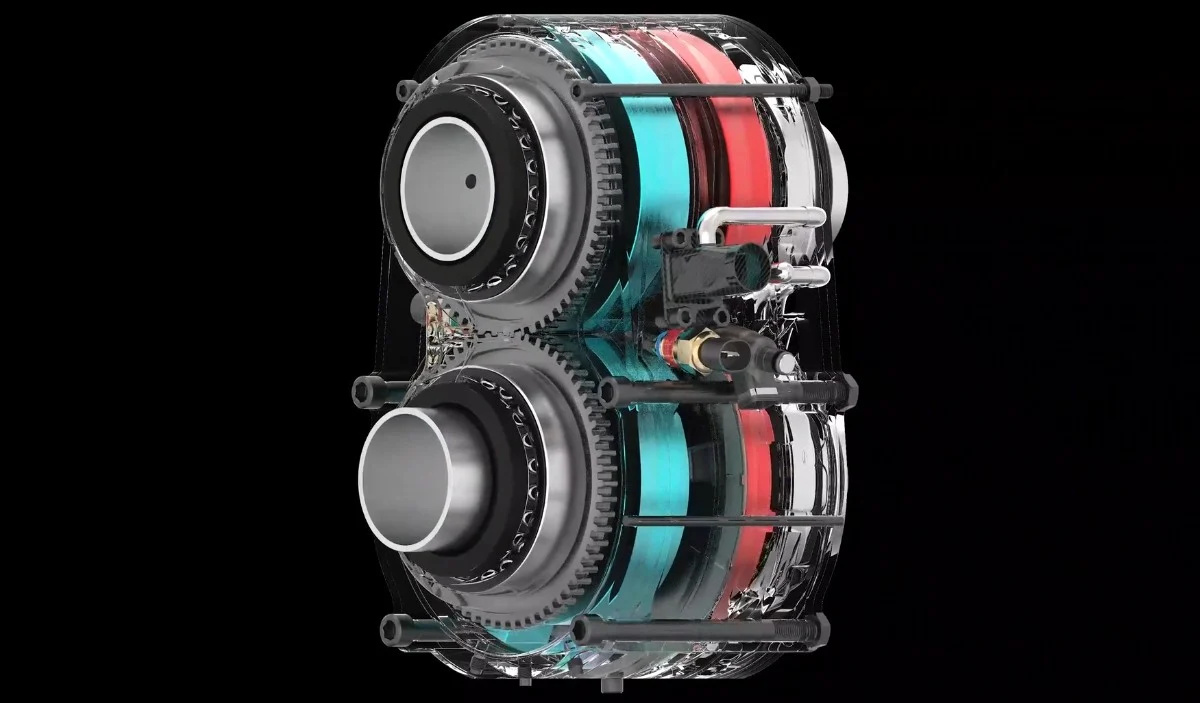
Hyundai accelerates creation of hydrogen hub in Hong Kong
Hyundai’s proposal goes far beyond the simple sale of hydrogen-powered vehicles. The South Korean group wants to structure the entire production chain of the fuel in Hong Kong.
The new hydrogen hub is expected to include local production, distribution, storage, and refueling of commercial vehicles. The city was chosen for its logistical and economic importance within the Asia-Pacific region.
Another strategically considered factor is the large circulation of people in the territory. Hong Kong receives about 50 million visitors per year, which increases the need for modern public transport systems and airport shuttles.
According to Hyundai, the goal is to transform the city into a regional base for the expansion of technology throughout Asia.


Sustainable production should use urban waste as raw material
One of the most important points of the project involves the use of Waste-to-Hydrogen (W2H) technology. The system allows transforming gases generated in landfills into low-carbon hydrogen.
Hyundai is already developing similar initiatives in other Asian markets and intends to adapt the model to the urban characteristics of Hong Kong.
In practice, the strategy helps reduce emissions and also utilizes waste that would normally be discarded.
Among the main objectives of the initiative are:
- reducing dependence on fossil fuels;
- expanding the use of clean energy in transportation;
- reusing gases generated in landfills;
- accelerating the energy transition in large cities.
Energy sector specialists assess that hydrogen is expected to gain space mainly in industrial applications and heavy transport throughout this decade.
The International Energy Agency (IEA) has already highlighted in recent studies that the global low-carbon hydrogen market tends to grow strongly by 2030.
Hyundai maintains its bet on hydrogen even with the advance of electric cars
While much of the automotive industry focuses investments on battery electric cars, Hyundai continues to bet on complementary technologies.
The automaker understands that fuel cell-powered vehicles can be more efficient in certain commercial operations, especially in buses, trucks, and long-distance fleets.
The systems used in Hong Kong will be supplied by HTWO Guangzhou, Hyundai’s division in China exclusively dedicated to the development of hydrogen-related solutions.
HTWO is part of the company’s global strategy to integrate the production, transportation, storage, and supply of the fuel.
Today, Hyundai already has commercial experiences with hydrogen-powered vehicles in different international markets, including operations with heavy trucks.
Hong Kong could become a reference in clean mobility in Asia
Hyundai’s expectation is that the entire hydrogen ecosystem will be operational by the end of 2030.
Before that, the official definition of the implementation area should occur by 2027. In this phase, the detailed development of the necessary urban and energy infrastructure for the project will also begin.
The company believes that Hong Kong can become a regional reference in sustainable mobility within Asia.
The plan includes:
- implementation of hydrogen refueling stations;
- use of fuel cell-powered buses;
- operations focused on tourism and airport transportation;
- integration between clean energy and urban mobility.
The strong presence of the tourism sector was one of the factors considered by Hyundai. As the city receives millions of visitors annually, there is a high demand for efficient and low-emission transportation.
Hydrogen race gains momentum in the automotive industry
Hyundai’s move comes amid the growing global race for sustainable technologies.
In recent years, Asian countries have expanded billion-dollar investments in hydrogen infrastructure, including projects led by China, Japan, and South Korea.
The automotive industry is experiencing a period of strong transformation, driven by increasingly stringent environmental goals.
In this scenario, hydrogen emerges as a relevant alternative, especially for sectors where traditional electric vehicles still face operational limitations.
The technology’s advantages include:
- greater range in heavy operations;
- faster refueling;
- reduction of carbon emissions;
- potential for large-scale use in commercial transportation.
Even with the rapid growth of electric cars, Hyundai states that it will continue investing in different sustainable mobility solutions.
Hydrogen hub could attract investments to Hong Kong
The creation of this new hydrogen hub could also generate significant economic impacts for Hong Kong.
Projects related to hydrogen typically stimulate areas such as engineering, logistics, technology, energy infrastructure, and industrial innovation.
Furthermore, the initiative could strengthen the city’s strategic position as an international business and technological development center in Asia.
Experts indicate that the expansion of the hydrogen chain tends to generate new specialized jobs and increase investments in research and infrastructure.
The involvement of companies from South Korea, France, mainland China, and Hong Kong underscores the scale of the initiative led by Hyundai.
What the project reveals about the future of sustainable mobility
The project presented by Hyundai shows that hydrogen continues to occupy an important space in the strategy of major global automakers.
The company is betting on a combination of traditional electric vehicles and fuel cell systems to meet different needs of modern mobility.
If the schedule is maintained, Hong Kong could consolidate itself by 2030 as one of the main hydrogen hubs in Asia.
In addition to environmental impacts, the project can also accelerate investments in infrastructure, clean energy, and technological innovation, reinforcing the ongoing transformation in the global automotive industry.
With information from INSIDE EVS