






 Portuguese
  Spanish


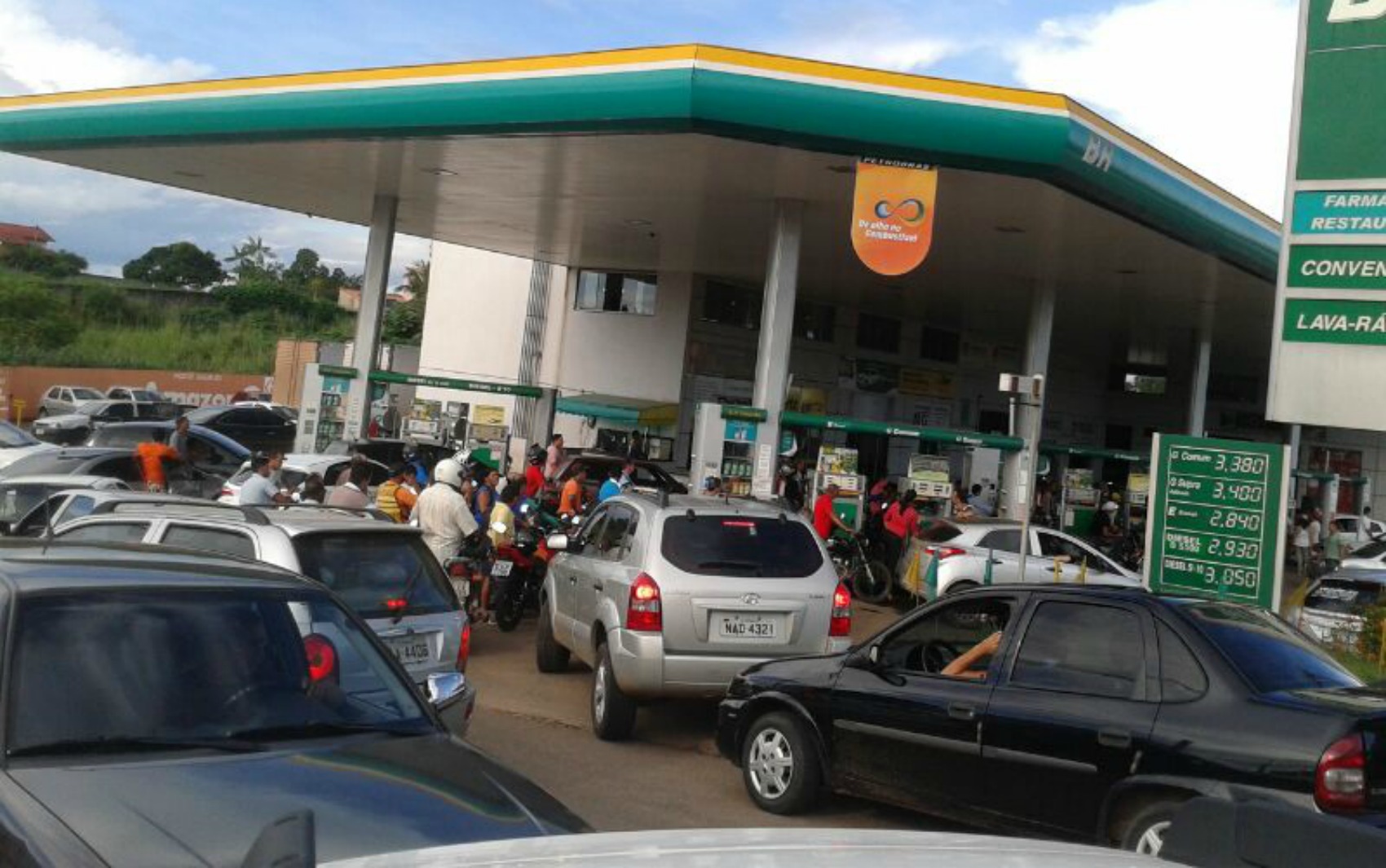

Petrobras is under a bit more pressure after state finance secretaries, with the acquiescence of their governors, approved last week the unfreezing of fuel prices, those on which ICMS is levied, for the purpose of increasing revenue.
Since the beginning of the pandemic, these prices have already increased by more than 30% and are now set to rise even further. It’s worth noting that some states, such as São Paulo, have also raised rates under the current governments, and RJ maintains record rates for gasoline and ethanol.
The increase, contrary to the promise to keep them fixed until the end of January, seems to have been a retaliation due to Petrobras’ recent price hike.
-
Brazil’s 2026 Tax Refund: Record 9.58 Million Filers in Largest Payout Ever, But a Key Detail on Priority Recipients Draws Nationwide Attention

-
Itaú Alters Hybrid Work Model, Increasing Office Days from 2028, Prompting Employees to Adjust to New Routine
-
Facing Labor Shortage, Japan Plans to Invest $34 Million to Attract Foreign Workers in Construction, Healthcare, Industry, and Commerce

-
Brazilian City Makes Remarkable Leap, Becomes 4th Wealthiest in the Country with GDP of R$ 134.1 Billion




Since the FHC government, Petrobras is no longer a state-owned company, as more than 70% of its shares are in the hands of private investors, whether Brazilian or foreign. Many were even purchased by Brazilian workers using FGTS.
The Brazilian government, along with some state banks, holds just over 50% of its common shares, those that allow voting, thus having control.
Nevertheless, Petrobras and its executives are not free from being sued in court for a reckless action, which is failing to fulfill the mission of providing the best possible return on capital for its investors, paying hefty fines, as the company almost had to do. It is worth remembering that during Dilma’s government, the company was sued in American courts, and in the end reached an agreement that cost it billions of Reais and even prevented its executives from being imprisoned.
Of course, the governors are aware of this, but used the increase as a pretext; after all, a fatter treasury in an election year always helps to elect the “friendly group”.
And thus, we approach a record revenue collection, and whether federal or state, public services remain precarious, but electoral funds, salaries of the upper echelons of the public pyramid, including the judiciary and legislative, continue to be paid on time.








