Portuguese
  Spanish


ICTSI Americas Acquires Part of the Old Inhaúma Shipyard in Rio de Janeiro to Expand Port Operations in Brazil and Strengthen Its Logistics Presence in Latin America.
ICTSI Americas, a subsidiary of the Filipino multinational International Container Terminal Services Inc., has taken an important step in expanding its port operations in Brazil by acquiring 47% of the Inhaúma Real Estate Investment Fund (FII). This move aims to transform the old Inhaúma Shipyard, located next to the Rio Brasil terminal in Rio de Janeiro, into a strategic hub to increase the company’s logistical capacity in the country.
The deal comes amid uncertainty in international trade, fueled by tensions between China and the United States.
Historical Area in Rio de Janeiro Gains New Prominence
The old Inhaúma Shipyard, spanning 32 hectares, was once one of the main shipbuilding centers in the country.
-
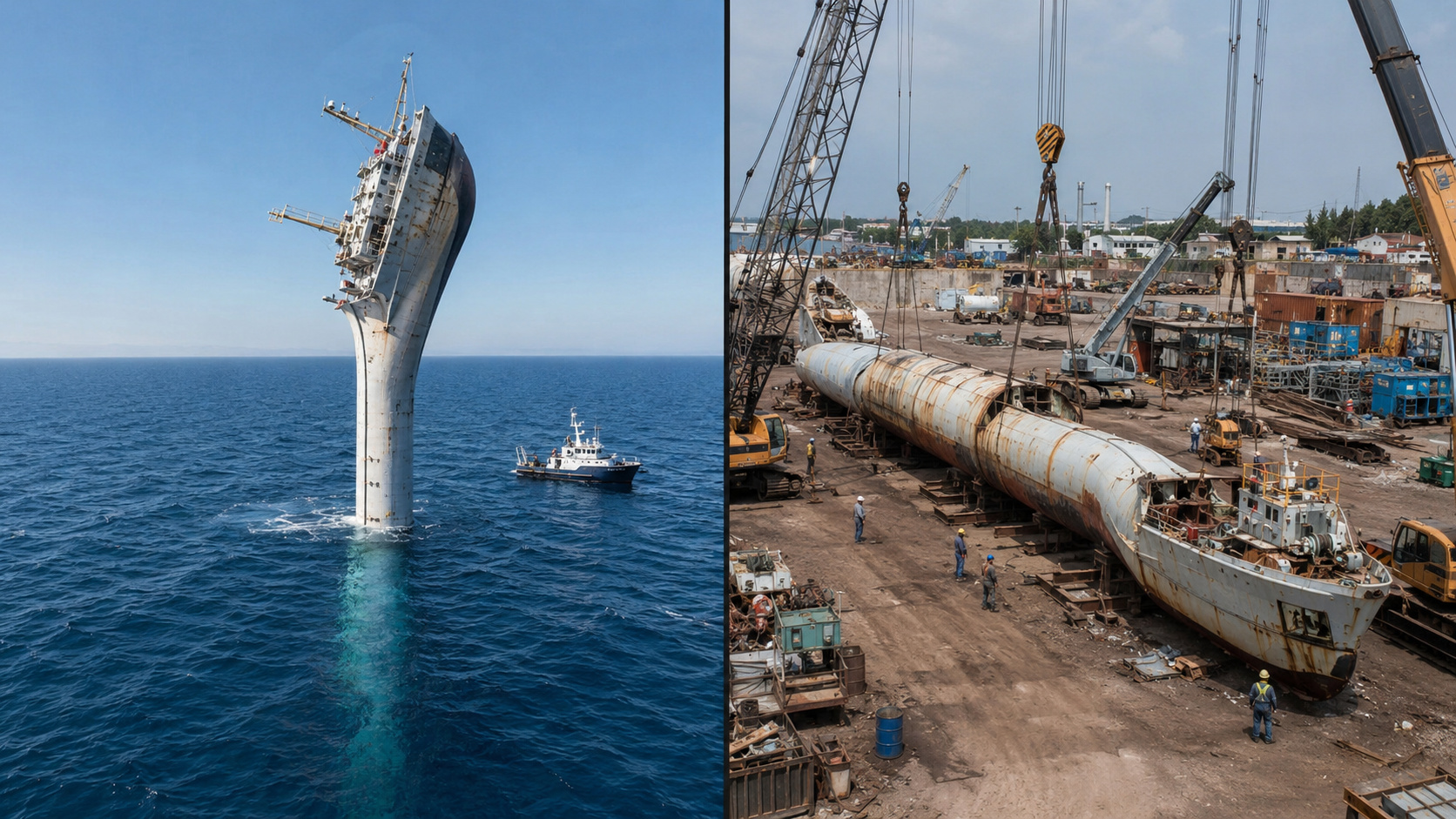
The FLIP: A 108-Meter Ocean Laboratory That Stood Vertically for 60 Years, Dismantled in 2023

-
North Korean Fiasco: Launch of the Largest Warship Ends in Sinking

-
While giant ships still burn heavy fuel and the maritime sector races against climate targets, Maersk and Vale are starting to bet on ethanol as a new route to reduce emissions at sea.

-
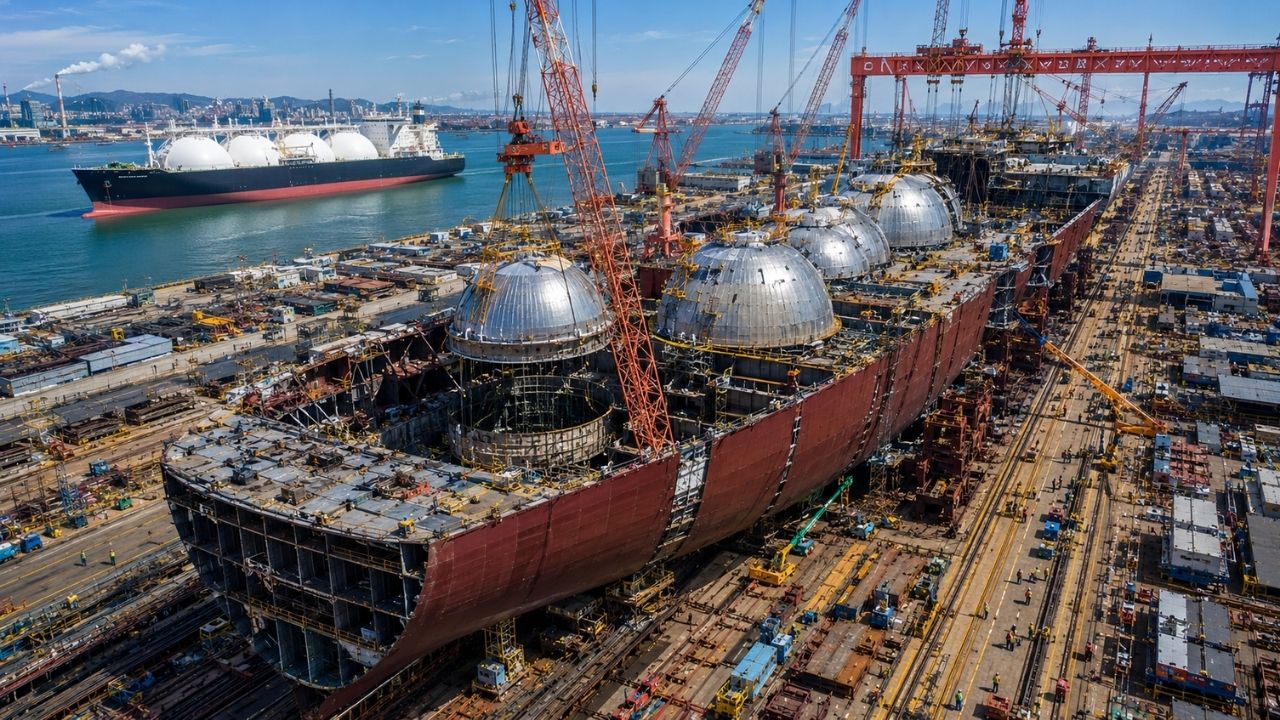
China begins construction of the world’s largest LNG ship, a 344-meter giant capable of supplying 4.7 million homes for a month, carrying 271,000 m³ of gas, and placing QatarEnergy in the largest naval order ever recorded in world history.


Now, under partial control of ICTSI Americas, the area will be redeveloped with a focus on increasing cargo handling.
ICTSI, which operates the Rio Brasil terminal, sees the location as an opportunity to consolidate its presence in Latin America and improve the efficiency of goods flow through the port in Rio de Janeiro.
According to an official statement released by ICTSI to the Philippine stock exchange, the company intends to develop the area “in the immediate future,” signaling that expansion plans are in an advanced planning stage.
Billion-Dollar Investments Drive Global Growth
The acquisition of the real estate fund that holds rights over the Inhaúma Shipyard is part of a broader context of ICTSI’s growth worldwide.
In 2025 alone, the company allocated US$ 580 million (R$ 3.36 billion) for investments in port infrastructure, surpassing the US$ 517 million (R$ 2.99 billion) invested in 2024 in countries such as Mexico and Brazil.
ICTSI, listed on the Philippine stock exchange, currently operates 32 port terminals in 19 countries and handled over 13 million TEUs (twenty-foot equivalent units) in the last year.
The commitment to robust infrastructure is justified by the growth of foreign trade, even in times of global uncertainties.
Rio de Janeiro Enters the Global Logistics Radar
With the new acquisition, Rio de Janeiro establishes itself as a strategic point for international trade.
The expectation is that the expansion of logistical infrastructure in the old Inhaúma Shipyard will create positive impacts for the entire metropolitan region, generating direct and indirect jobs, as well as boosting the competitiveness of Brazilian ports.
ICTSI Americas, the regional arm of the Asian giant, reinforces its commitment to Brazil with this initiative. The operation may also attract new investments and solidify the port of Rio as a relevant alternative against other logistics hubs in the country.
Enrique Razon: The Billionaire Behind the Strategy
The move in Brazil bears the fingerprints of Enrique Razon Jr., the controller of ICTSI and one of the richest men in the Philippines. According to Forbes, his current net worth is estimated at US$ 10.4 billion (R$ 60.32 billion).
Beyond the port sector, Razon is known for leading companies in the casino, sanitation, and energy sectors, such as Bloomberry Resorts and Prime Infrastructure Capital.
The bet on Brazil, especially in Rio de Janeiro, reveals the long-term vision of the businessman and ICTSI, who remain confident in the logistical potential of the country even amid global economic turmoil.
With the acquisition of the Inhaúma FII, ICTSI Americas not only expands its operations in Brazil but also revitalizes a historical area of the city, transforming the old Inhaúma Shipyard into a symbol of innovation and modernization in the port sector.