






 Portuguese
  Spanish
  3 min of reading
  0 comments


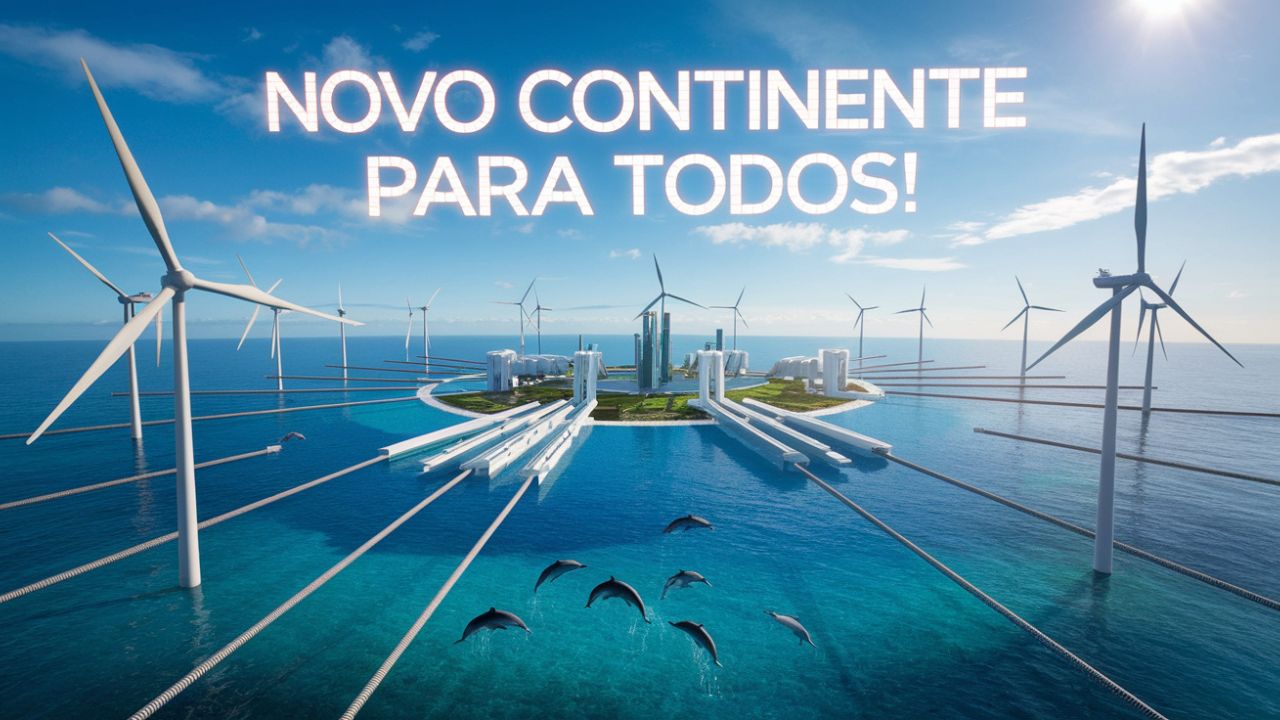
With Cutting-Edge Technology, Energy Islands in the North Sea and Baltic Promise to Supply Millions of Homes in Europe, Reduce Dependence on Fossil Fuels, and Create a Sustainable Model for the Global Future.
The energy islands promise to deliver: an energy revolution that transforms the way the world produces and distributes energy. These “islands” are not science fiction, but the answer to a greener and more collaborative future.
A New Energy Continent
The energy islands are artificial platforms built in strategic seas such as the North and Baltic. Functioning as centers of renewable energy, they capture the power of offshore wind farms, store the generated energy, and distribute it to various European nations.
The growing demand for sustainable energy and the urgency to reduce dependence on fossil fuels have motivated the creation of these islands. They offer a practical and scalable solution, leveraging regions of high wind intensity to maximize the efficiency of wind energy.
-
Brazilian student creates a cheap formula that makes plants grow up to 90% faster and wins an award in a global scientific competition.

-
Europe unveils armored tank with remote turret, 1,500 horsepower, and 120-millimeter cannon

-
Old hard drives may hide neodymium, dysprosium, praseodymium, and terbium, and a United States company is expanding its network with a new 93,000-square-foot facility to recover rare earths used in electric cars, artificial intelligence, defense, and renewable energy.

-
Giant crane lifts up to 3,000 tons, requires special logistics to reach the site, and can transform 18-hour operations into just 3 hours, speeding up the hoisting of oil platforms, refineries, and plants in giant industrial projects.




Transforming the Energy Landscape with Innovation
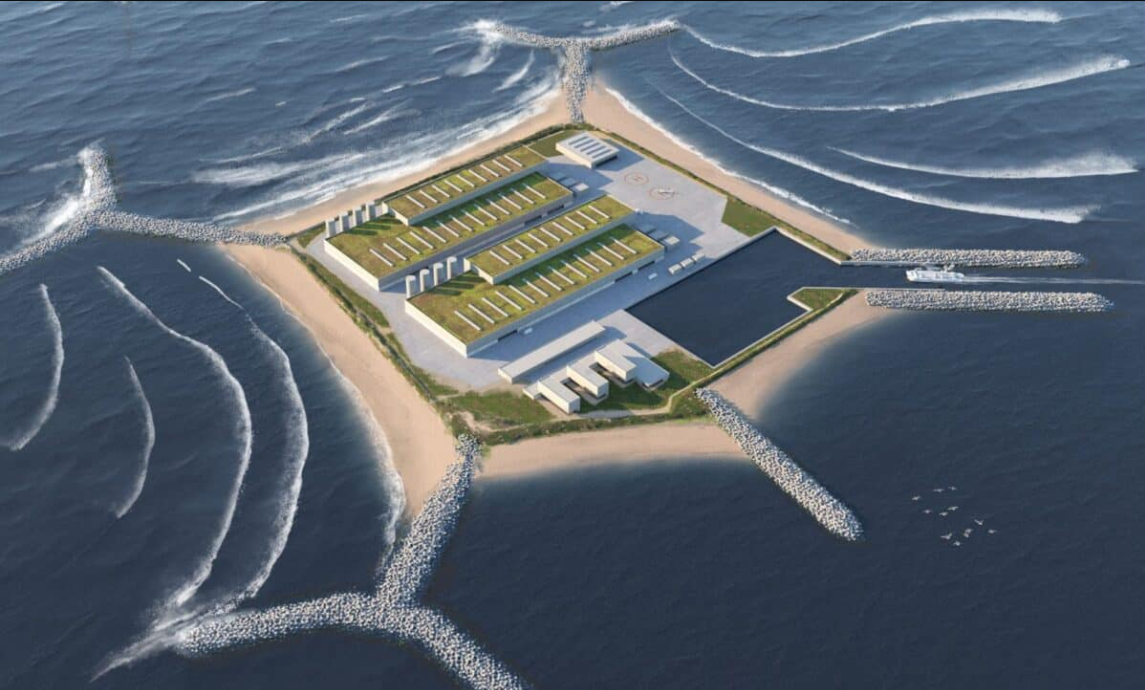
The project is led by countries such as Denmark and Germany, with companies like Energinet and 50Hertz at the forefront. The goal? To integrate electrical infrastructures across Europe, creating a unified grid that distributes clean and sustainable energy.
By centralizing renewable energy production, these islands reduce the need for coal and oil. The energy generated can supply millions of homes, drastically reducing carbon emissions and promoting energy independence.
Energy and Biodiversity in Harmony
More than energy centers, these islands will be ecological sanctuaries. Designed to host marine life, they balance energy production and environmental conservation, transforming industrial areas into natural refuges.
The construction of these islands requires cutting-edge technology capable of withstanding ocean currents and facilitating energy transmission to the mainland. Archaeological studies and environmental permits are already underway, with construction expected to begin in 2025.
Inspiring Other Nations in the Use of Renewable Energy
The European success has already attracted the attention of countries like the United States and Japan, which see the energy islands model as an opportunity to replicate solutions for their own energy challenges.
The long-term vision is to create a global network of renewable energy hubs. This international collaboration not only reduces carbon footprints but also unites countries around a common goal: a more sustainable future.
Next Steps for the Energy Islands in Europe
With the construction of the first islands already scheduled, the timeline is ambitious. The caissons, fundamental structures for the islands, will be installed soon, and the electrical connections will soon be operational, turning the dream of an energy continent into reality.
The European project is a milestone not only for Europe but for the world. It symbolizes human ingenuity and the strength of global collaboration, showing that environmental challenges can be tackled innovatively.
The energy islands represent much more than a technological innovation; they are a symbol of hope. A new continent is forming beneath the waves, promising to transform the world with clean and collaborative energy. As the world faces the impacts of climate change, these islands prove that, with determination and cooperation, we can build a greener and more sustainable future.




-

1 person reacted to this.