Portuguese
  Spanish


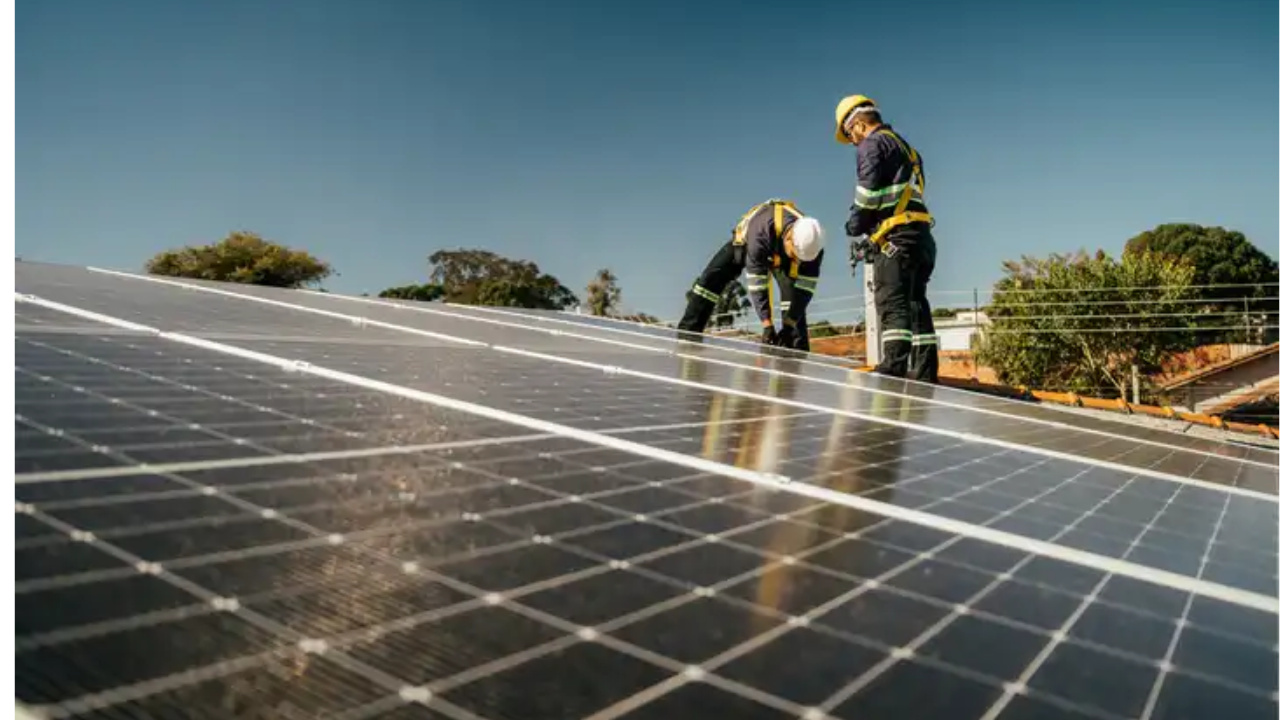

The Implementation of Solar Power Plants in Brazil Is Expected to Become Up to 30% More Expensive Starting in April, Driven by Increased Taxes, Higher Prices for Imported Panels from China, and Changes in Subsidy Rules for Self-Generation of Energy.
Installing a solar power plant in Brazil will weigh more on the budget. And the impact will not be small. The estimate is that the average implementation cost will rise by about 30% starting in April.
The main reason lies in taxes. The federal government will start charging a 20% Import Tax on inverters and energy storage systems, known as BESS, used in photovoltaic solar plant projects. Previously, the rates were lower: 12.6% for inverters and 16% for batteries.
According to the state coordinator of the Brazilian Photovoltaic Solar Energy Association (ABSolar) in Pernambuco, Luzer Oliveira, the impact will be directly reflected in the final price of the equipment. “Our estimate is that the cost of implementation will increase, on average, 30% starting in April,” he states.
-
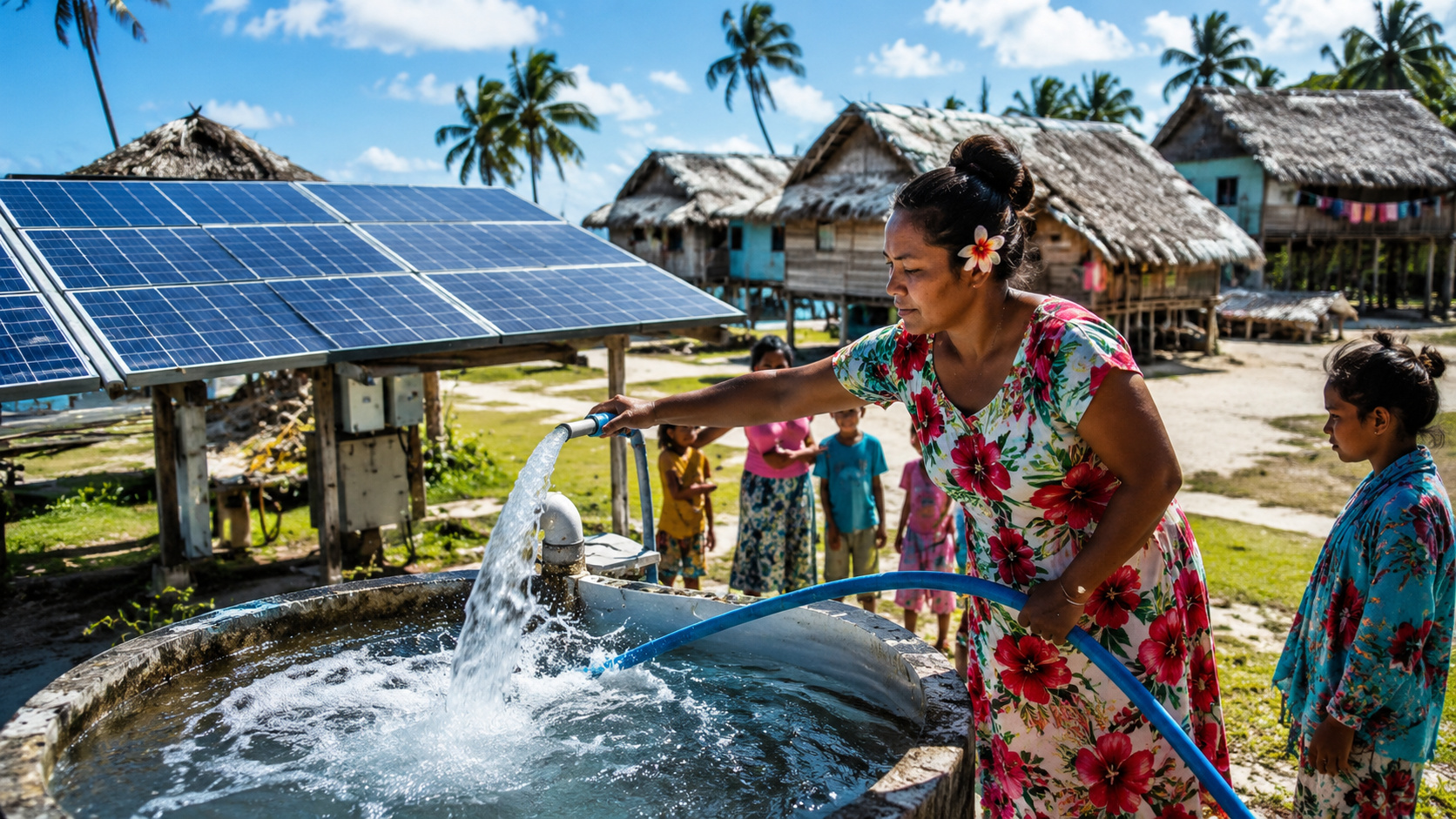
More than 1,000 residents of a remote island in Kiribati now have clean water and electricity with solar systems operated by the community itself.

-
Island in Brazil Innovates by Installing 184 Solar Panels on Urban Lagoon to Generate Clean Energy
-
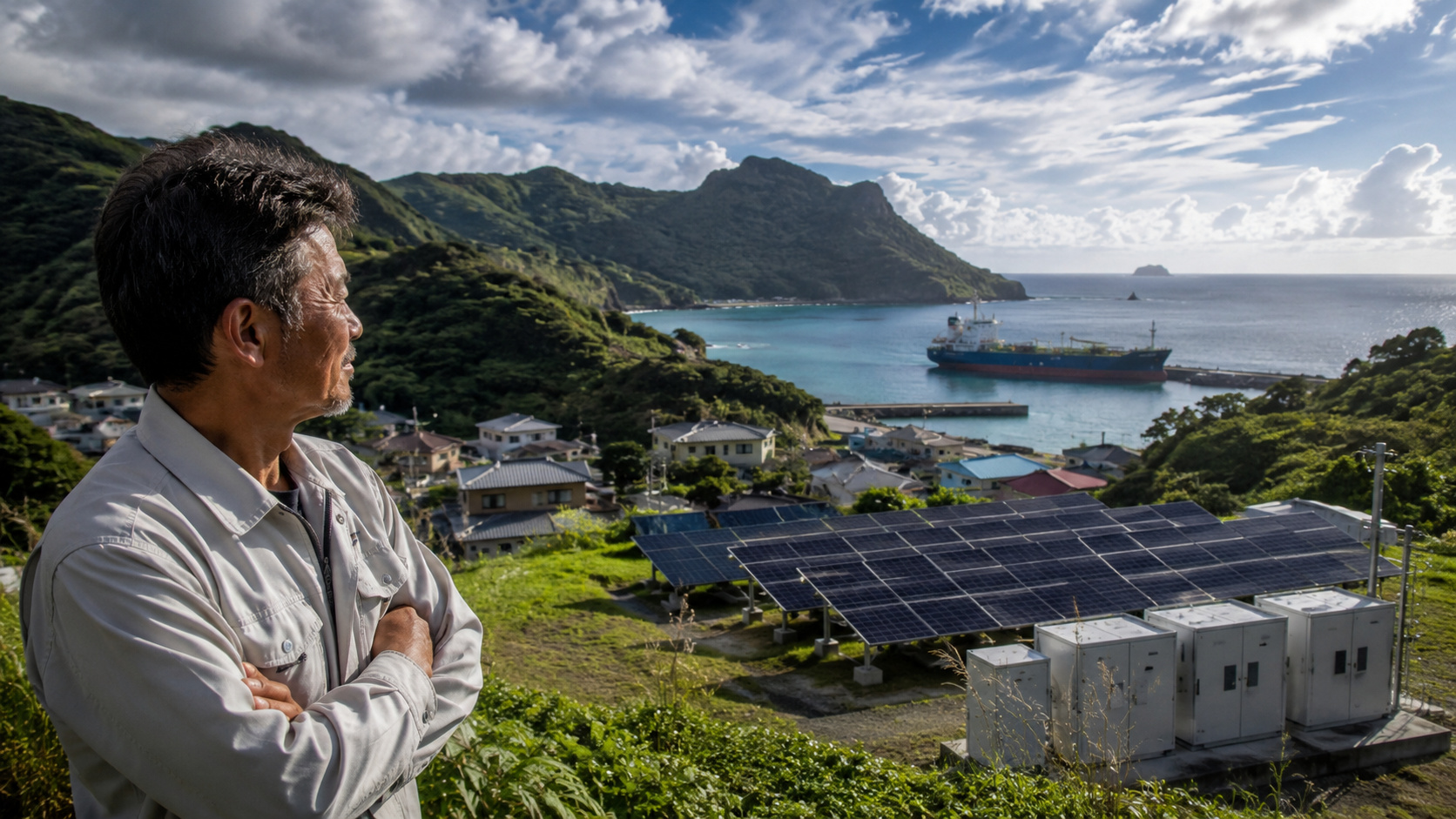
Japanese Island of 417 Residents to Test Living Half the Year Solely on Solar Power, Reducing Dependence on Diesel Brought by Ship
-
Brazilian Fishermen Use Solar Power to Produce Nearly One Ton of Ice Daily, Preventing Fish Spoilage Before Reaching Market



Moreover, he criticizes the measure. “The BESS for solar energy is perfect because it allows for extremely viable solutions for commerce and industry, in addition to leveraging the energy generated by the sun during peak hours when the energy tariff is higher and there is an increase in consumption. It’s outrageous,” he comments.
Peak hours in Brazil usually occur between 6 PM and 9 PM. Therefore, storing energy and using it during this period helps to relieve the power system. “Decongesting the electrical system during peak hours is a benefit for the population as a whole,” he adds.
China Also Influences the Increase in Solar Power Plants
However, it is not only Brazil that is putting pressure on prices. China, the world’s largest manufacturer of solar panels, also contributes to the rising scenario.
First, there was an increase in the price of imported panels. According to Luzer, the price of Chinese photovoltaic modules has already risen by about 40% when comparing February of this year with the end of 2025.
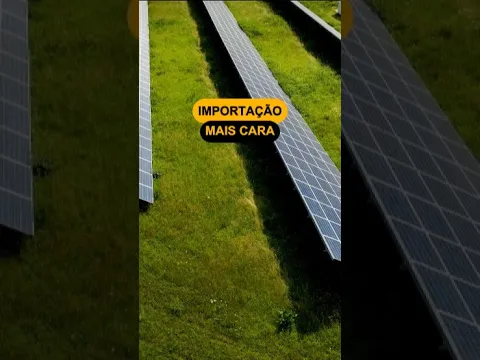

Additionally, the Chinese government will end a 9% rebate granted to solar panel exporting companies on April 1. This benefit helped keep prices more competitive in the international market.
Another relevant point is the rising cost of raw materials used in the manufacturing of the panels. Consequently, the entire production chain experiences adjustments.
It is worth noting that solar panels have already faced a 25% Import Tax since November 2024. Until the end of 2023, they were exempt. “It was very sad to tax solar panels, claiming they have domestic production. What is made in Brazil does not meet 1% of the demand,” says Luzer.
Direct Impact on Distributed Generation and Small Projects
This scenario especially affects distributed generation, which includes projects of up to 5 megawatts (MW). It is precisely in this segment that solar power plants have grown the most in recent years, including systems installed on rooftops of homes and businesses.
Even with the anticipated increase, there is still an economic advantage. According to estimates presented by Luzer, those who generate their own energy can pay, on average, R$ 0.16 per kilowatt (kW). Meanwhile, those who exclusively depend on the distributor pay about R$ 1.00 per kW.
Prices vary based on consumption profiles. Still, the difference is striking.
Change in Subsidy Concerns Solar Power Consumers
Alongside the increase in implementation costs, another change is already impacting those who own solar power plants.
Since 2023, the federal government has started the gradual charging of the so-called “Wiring B,” which compensates for the costs of energy distribution. Previously, those who generated their own energy had a subsidy and did not pay this amount.
The charge started at 15% in 2023. It rose to 30% in 2024. Increased to 45% in 2025. Now, in 2026, it has reached 60%. In 2028, it should reach 90%.
“It is still not defined how this charge will be from 2029 onwards. There might be some surprises for consumers,” warns Luzer.
The initial intention of the subsidy was to stimulate the expansion of renewable energy in the country. However, with the gradual reduction of this benefit and the increase in taxes, the scenario for those wishing to invest in solar power plants becomes more challenging.
In light of this increase of up to 30% and the changes in rules, do you still believe it is worth investing in solar power now? What are the real interests of the government in making access to self-generated energy more difficult?