Portuguese
  Spanish


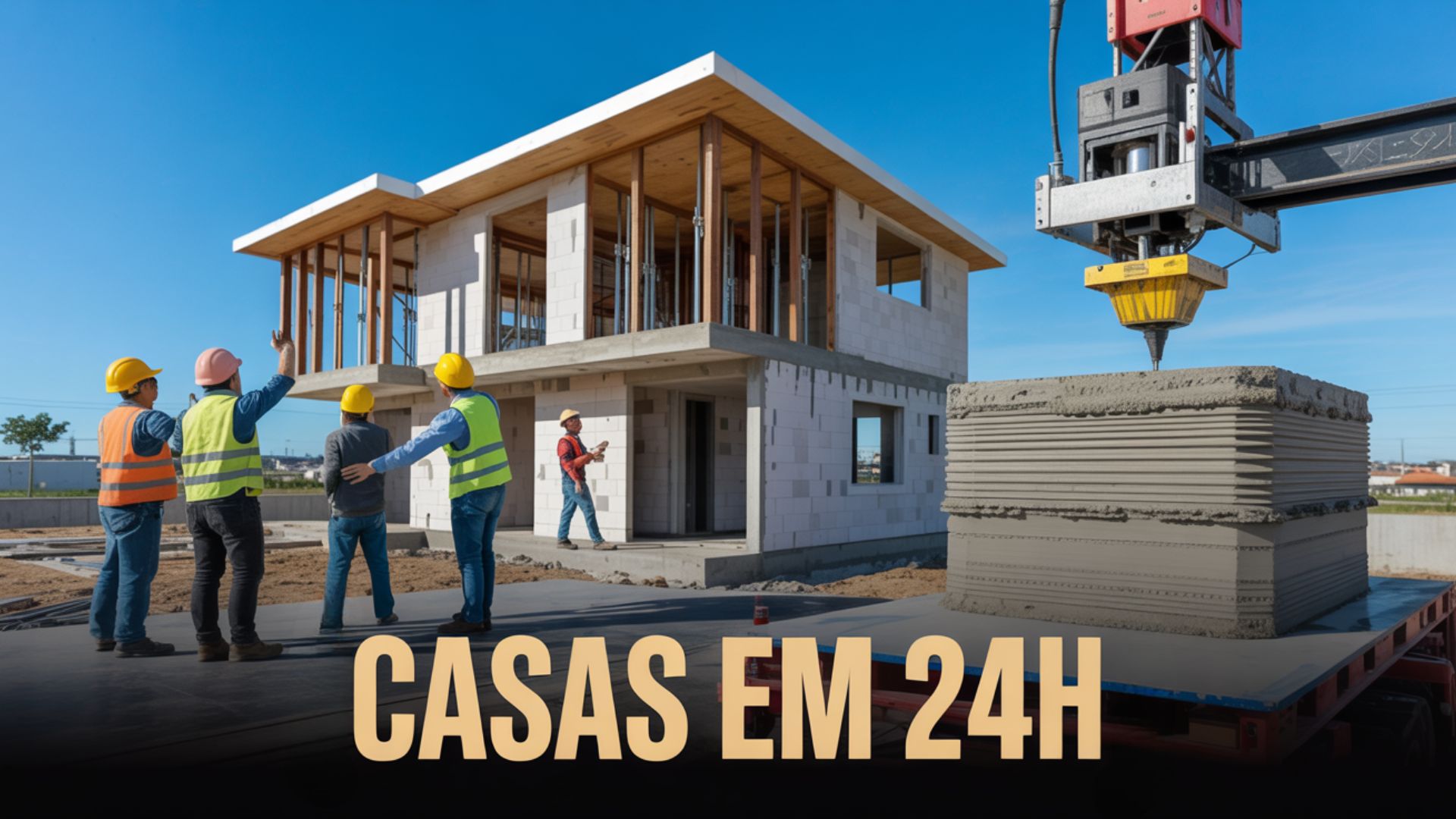

3D Printing Technology Revolutionizes The Construction Industry, Allowing Homes To Be Built In Just 24 Hours With Lower Costs, High Efficiency And Reduced Environmental Impact. Discover How This Innovation Is Transforming The Housing Sector.
The construction industry is undergoing a historic transformation with the arrival of 3D printing, a technology that has enabled the completion of entire homes in just 24 hours.
Innovative companies, especially specialized startups, are driving a revolution by adopting large-scale concrete printing systems, making it possible to erect residential structures in record time and at significantly lower costs.
3D printing in the construction industry emerges as a practical response to the global housing deficit and the growing need for more efficient and sustainable construction methods.
-
Turkey Constructs World’s Deepest Undersea Rail Tunnel Connecting Europe and Asia, Uncovering Largest Collection of Medieval Ships in Byzantine Port

-
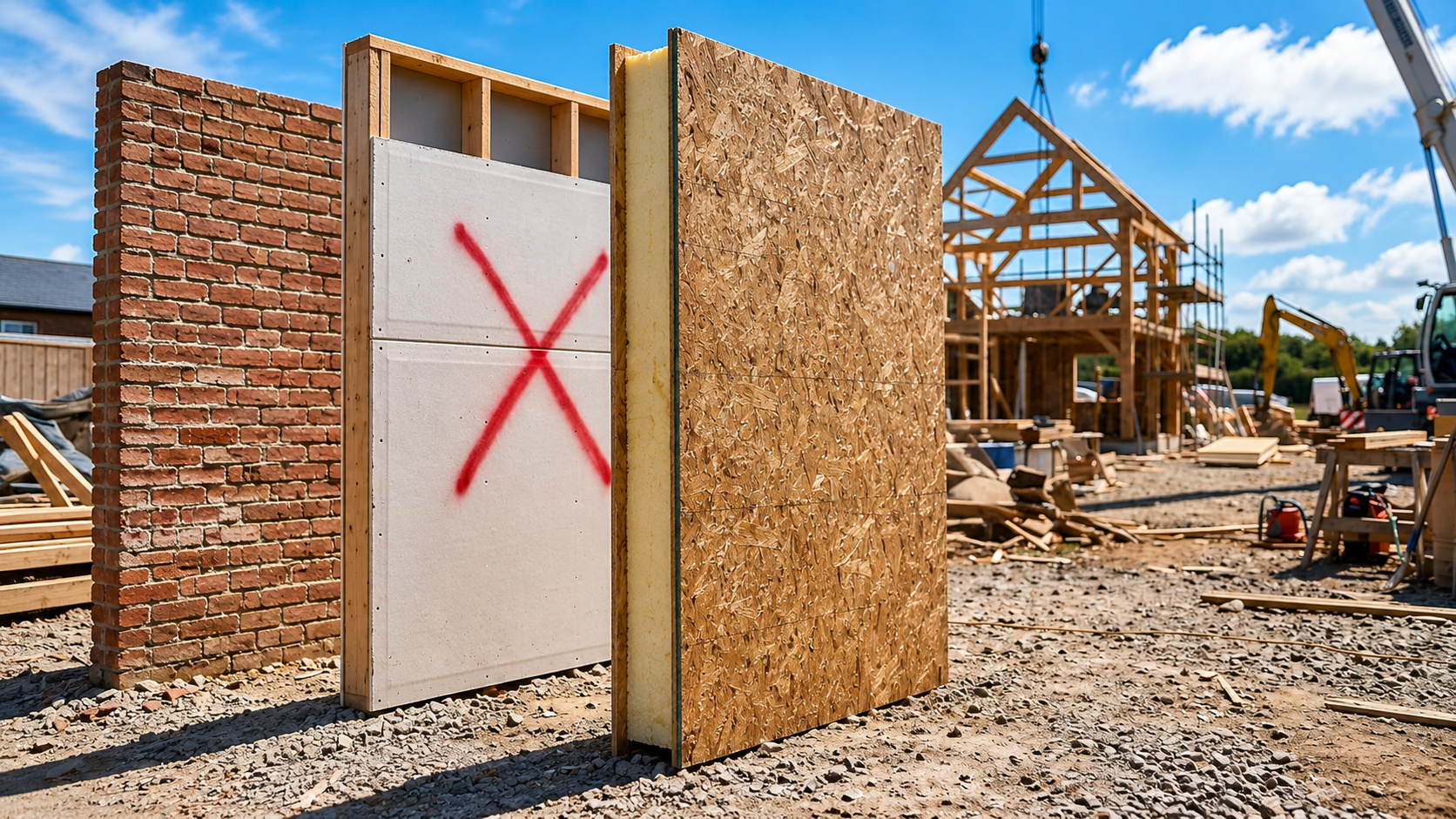
Revolutionary Building Material, SIP Panels, Set to Transform Construction by 2026 with 70% Heat Reduction and Faster Builds

-
186-Meter Bridge in Brazil Undergoes $9.5 Million Repairs After Structural Damage to a Pillar

-
Northeast Brazil Railway Project Receives New Deadline and Billions in Funding — Will the Transnordestina Finally Be Completed?



3D Printing In The Construction Industry: How The Technology Works
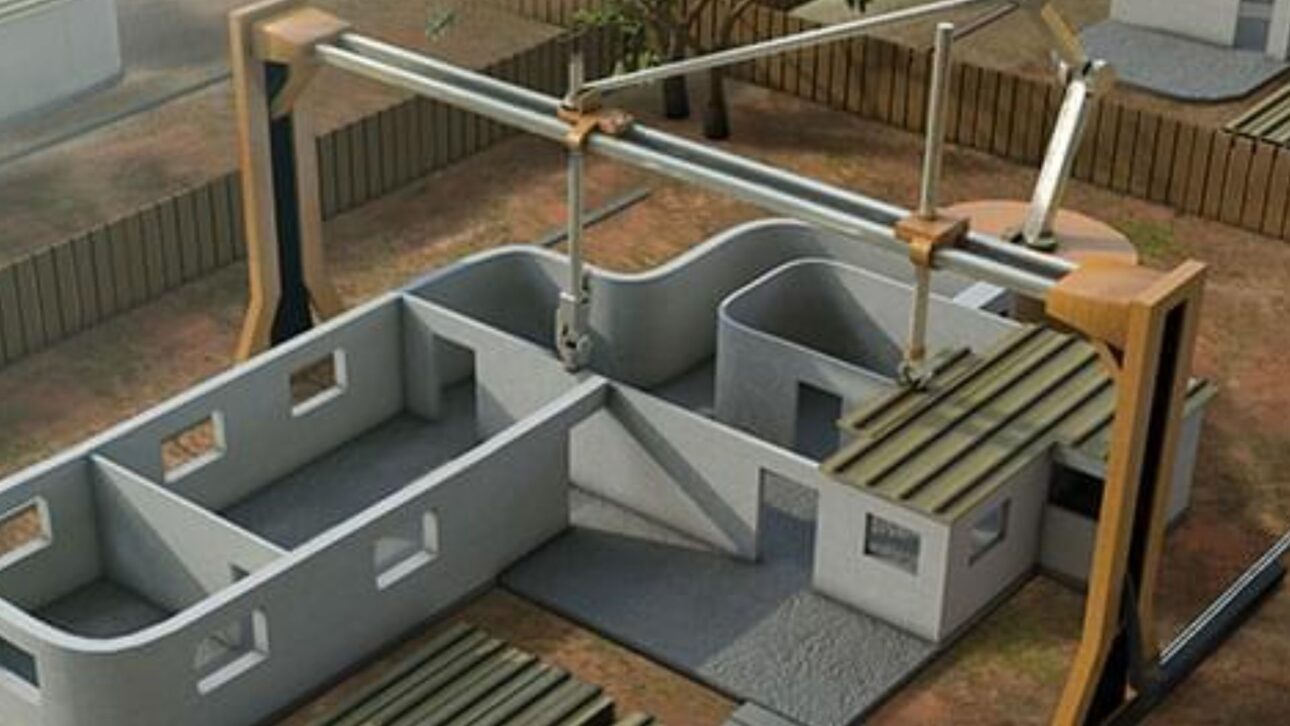
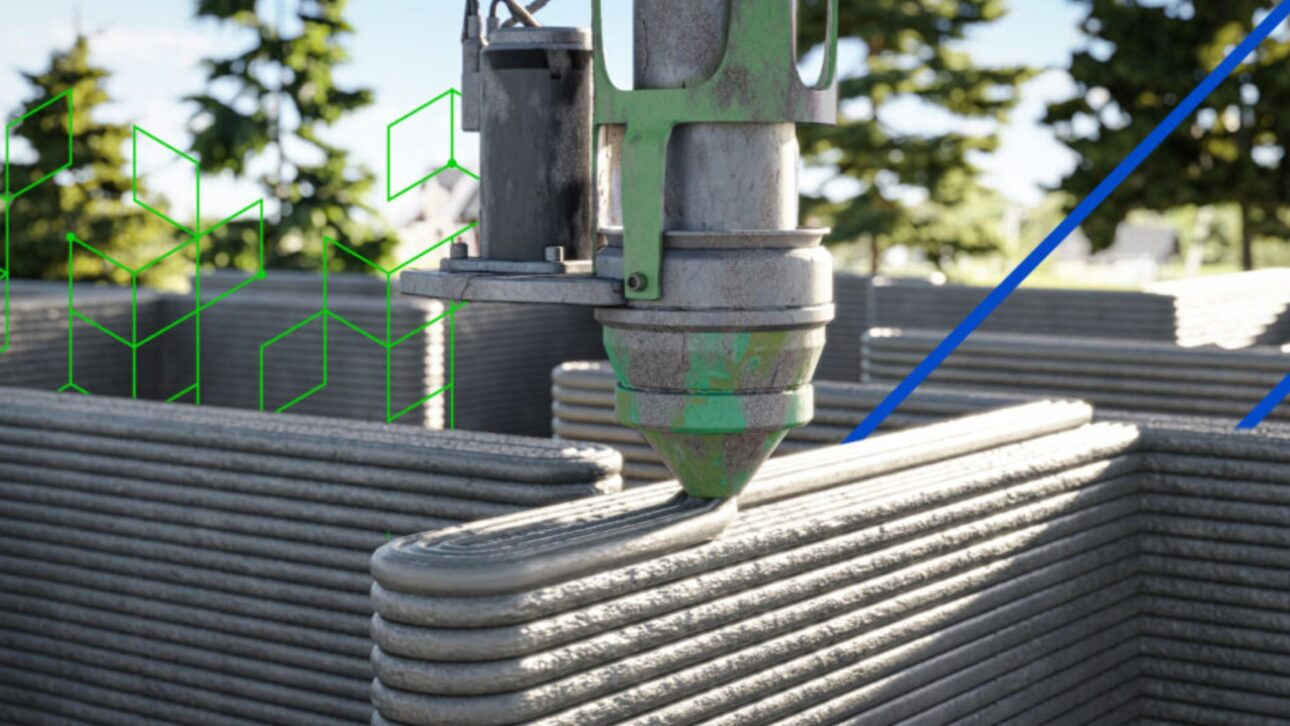
The use of 3D printing in the construction industry relies on industrial printers capable of depositing special concrete layer by layer, following a pre-designed digital blueprint.
This technology allows for the construction of houses with various shapes, meeting different architectural and geographical demands, while drastically reducing material waste compared to conventional methods.
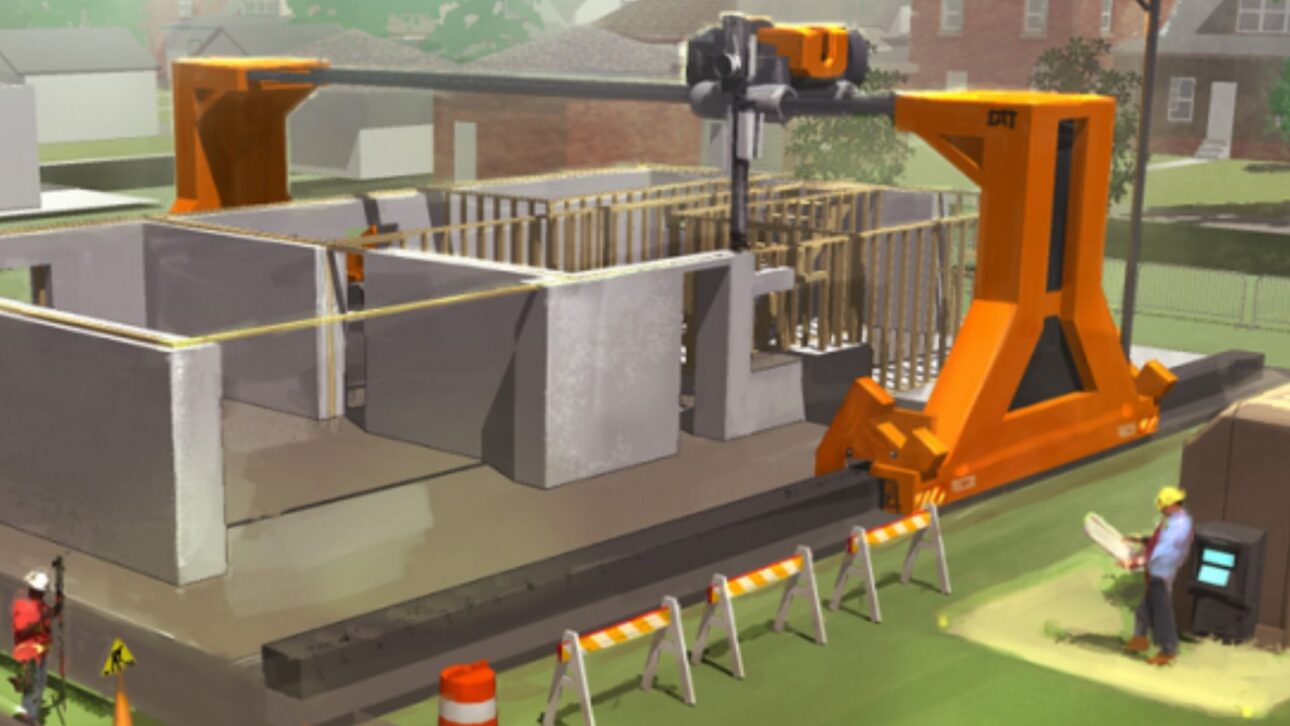
The innovation also stands out for the ability to customize designs on a large scale, adapting homes to the needs of each family or community.
According to industry experts, the main advantage of 3D printing in the construction industry is the speed of the process.
Instead of months of construction, a house can be completed in 24 hours.
This speed is ensured by the complete automation of construction, which eliminates much of the traditional labor.
The process begins with the creation of a detailed digital model, which is interpreted by the printer to guide the deposition of concrete in precise layers.
Advanced modeling and monitoring software allows for real-time adjustments, ensuring fidelity to the original plan and optimizing the use of materials.
Environmental Impact And Resource Economy With 3D Printed Houses
Another relevant benefit is the positive impact on the environment.
3D printing uses less concrete and energy, contributing to reduced carbon emissions and the rational use of natural resources.
According to data from international organizations such as the United Nations (UN), traditional construction accounts for about 38% of global CO2 emissions.
By using automated methods and sustainable materials, 3D printed houses become viable alternatives for greener architecture, aligning with global sustainability goals.
Moreover, the low operational cost is a fundamental attraction.
The decrease in the number of workers, combined with a lower amount of waste, reduces the total project costs, making access to housing more feasible, especially in low-income areas or with limited infrastructure.
The modular format of these houses facilitates construction in remote locations where the logistics of transporting materials and teams would be unfeasible for conventional projects.
Challenges For Large-Scale Adoption Of 3D Printing
However, the large-scale adoption of 3D printing in the construction industry still faces significant challenges.
Regulation of the sector, for example, advances slowly in many countries, as traditional building codes do not foresee this type of technology.
As of June 2025, various public agencies and technical entities are working to update regulations and ensure the safety of printed structures, but the regulatory process can take years to be fully incorporated into the daily life of cities.
Another challenge is the social and technical acceptance of this innovation.
Many professionals and consumers still question the durability and resistance of 3D printed houses, despite recent studies showing equivalence or even superiority compared to traditional methods in tests of resistance, thermal and acoustic insulation.
According to the Brazilian Institute of Concrete (IBRACON), research indicates that, when all protocols are respected, 3D houses can have a similar lifespan to conventional buildings.
Brazilian Experience And Global Trends In 3D Construction
In Brazil, startups and universities are standing out in developing new solutions and 3D printing techniques for housing.
Pilot projects carried out in different regions demonstrate the viability of the method for affordable housing and low-cost residences, with growing interest from state and municipal governments in adopting the technology in social housing programs.
By May 2025, at least five Brazilian capitals were already evaluating partnerships with sector companies to implement pilot initiatives, seeking not only to reduce the housing deficit but also productive inclusion through training professionals to operate the printers.
The internationalization of the technology further expands the possibilities.
Countries in Europe, North America, and Asia are already using 3D printing in the construction industry to build entire neighborhoods, schools, and even hospitals, accelerating reconstruction processes after natural disasters and increasing the supply of housing in vulnerable areas.
The use of robotics and artificial intelligence promises to further boost the efficiency of printers, enabling them to build larger, more complex structures in less time.


Future Of 3D Printing In The Construction Industry
The growth potential is recognized by real estate consulting firms, which project accelerated expansion of the 3D construction market in the coming years.
The expectation is that new families of printable materials, more resistant and eco-friendly, will emerge by 2027, along with integrated automation systems that will allow for complete customization of residences.
The synergy between 3D printing, sustainability, and social inclusion positions this technology as a protagonist in transforming the sector in the coming years.
Even with the advancements, experts emphasize the need for investments in research, regulatory updates, and professional training for the technology to reach its full potential.
The discussion around 3D printing in the construction industry is now advancing to topics such as access to financing, quality assurance, and adaptation of projects to the various cultural and climatic realities of Brazil.
Do you believe that 3D printing in the construction industry will establish itself as the main solution for the housing deficit in the country, even in the face of regulatory and cultural challenges?