





 Portuguese
  English
  Spanish
  3 min of reading
  1 comment


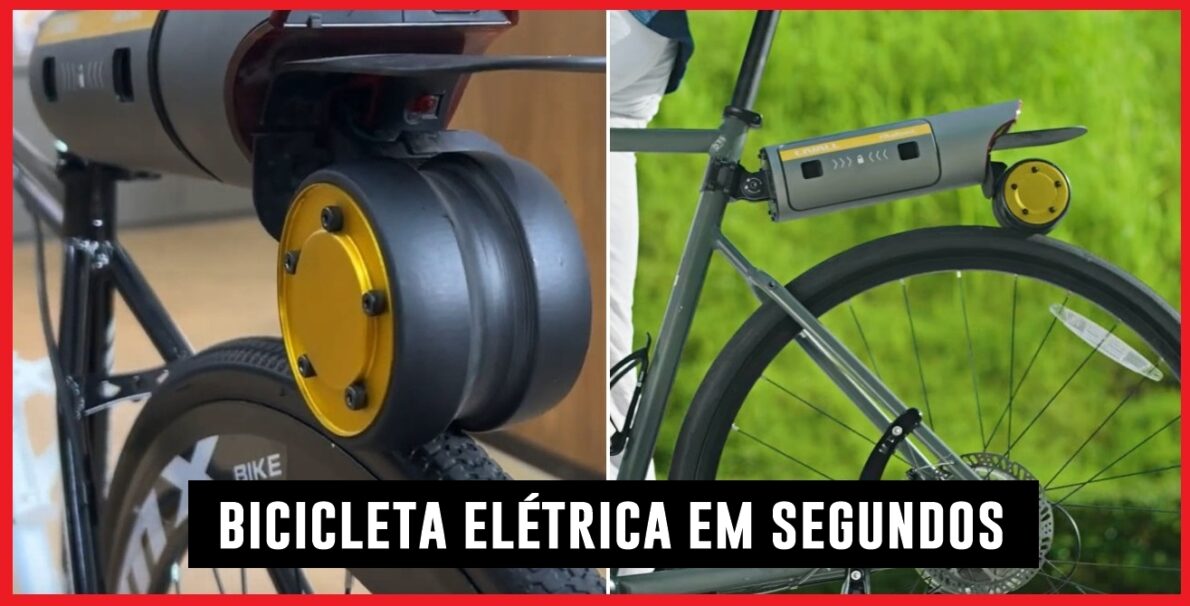

Discover How An Accessible Equipment Can Transform Your Regular Bicycle Into An Electric One Quickly And Economically. Revolutionize Your Rides!
Livall, a renowned manufacturer of cycling accessories, is about to launch the successor to its popular electric bike conversion kit, the PikaBoost. The new model, called PikaBoost 2, promises a significant improvement in power compared to the original version, with initial shipments scheduled to begin in the coming weeks.
The market for electric bike conversion kits has seen considerable growth, especially with friction drive options, where electric assistance is provided through contact with the bicycle tire.
The PikaBoost 2 joins a growing list of competitors, including Sweden’s Zipforce and the CLIP kit, which will soon be launched in the UK.
-
Fish disappear and microorganisms take over: at 301 meters deep in the sea, the Dragon Hole reveals a world without oxygen in the South China Sea.

-
More than 3,200 nanosatellites have already been launched into space, almost 3,000 of which are CubeSats, and the new space race has become smaller, cheaper, and much more crowded around the Earth.

-
Agro 5.0 invades the interior of SP with solar-powered robots, an app that monitors 11,000 cattle, and a curious promise to cut waste by up to 90%.
-
100% pure hydrogen engine enters Spain’s power grid for the first time in the world and demonstrates how excess solar and wind energy can be converted into clean electricity during high demand periods.


Ease of Installation
Although friction drives are not the most efficient methods for converting battery power into wheel power, they are known for their ease of installation. Many of these kits are advertised as “clip on, clip off”, allowing them to be swapped between different bicycles with ease.
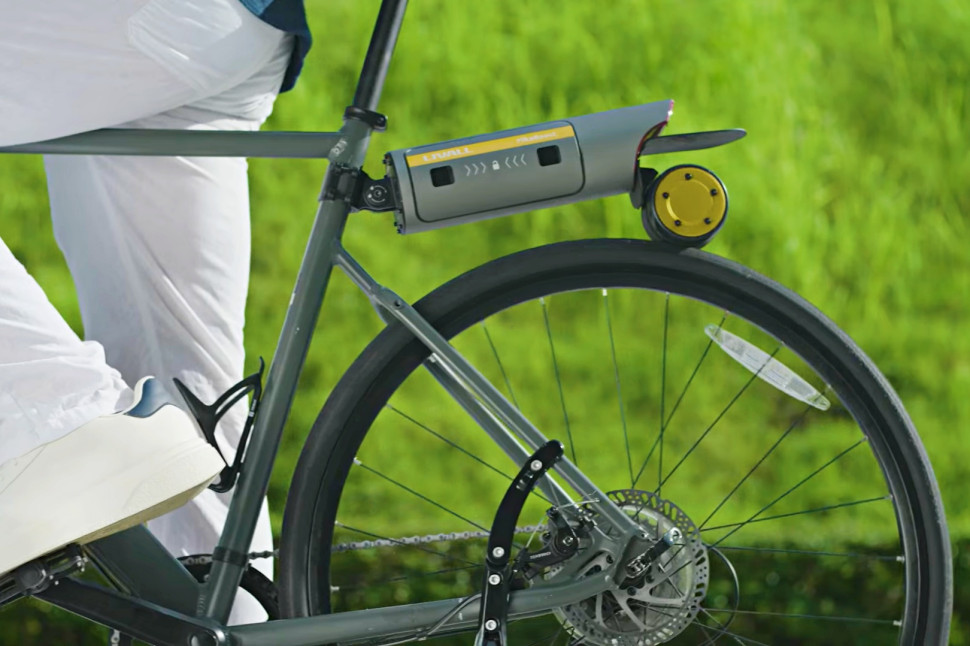
The PikaBoost 2 follows this trend with a promise of quick installation: the device can be mounted in just one minute and is compatible with “most bike models and tire sizes.” The cheapest product is sold in Europe for R$ 2,000.


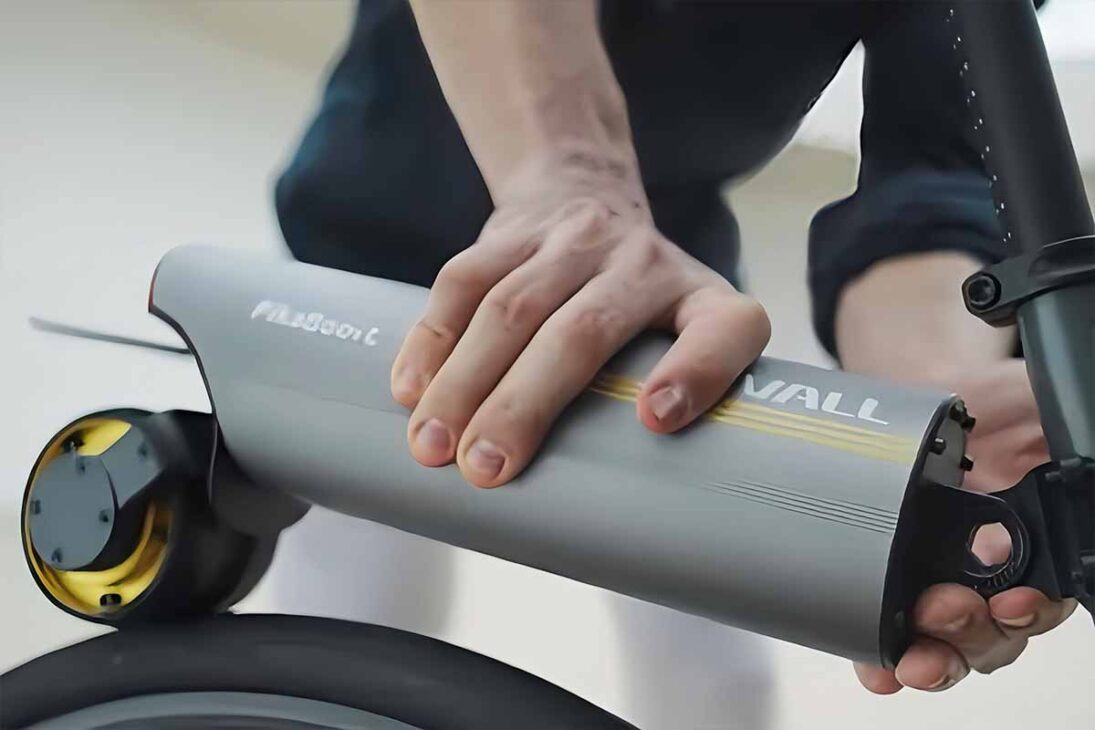
The equipment weighs 3 kg and is attached to the bicycle’s seat post. A patented fixation system with four screws, designed also for theft prevention, is provided, along with a specific tool.
The unit can be easily removed by unscrewing an additional screw. Although the design may seem simple, the shock absorption technology and the V-shape adjustment of the roller promise a secure fit, even on rough terrain.
The roller features a tread pattern with drainage grooves to reduce the risk of slipping in wet conditions and is available in different versions to suit various types of bike tires, such as road and mountain bikes.
Power And Additional Features
The motor of the PikaBoost 2 has a technical power of 250 W but can deliver up to 500 W of peak power. This level of power is within the legal limits in the UK, where regulations allow for a continuous power of up to 250 W.
However, the maximum speed of 32 km/h (20 mph) may pose a challenge for some local regulations. Fortunately, the app associated with the device promises “global compatibility,” automatically adjusting settings to adhere to regulations in each region.
The standard battery of the PikaBoost 2 has a capacity of 158 Wh, offering an estimated range of up to 70 km (43 miles). While optimistic, there is an upgrade option for a larger 220 Wh battery. Additionally, the kit includes regenerative braking functionality.
Though this feature may not be extremely significant for e-bikes, the ability to charge other devices with the PikaBoost battery can provide an added advantage, allowing you to use the device as a pedal-powered power bank.


Essa ideia é antiga acredito que para bicicletas qto maior a roda maior a eficiência e autonomia em terreno plano