






 Portuguese
  Spanish


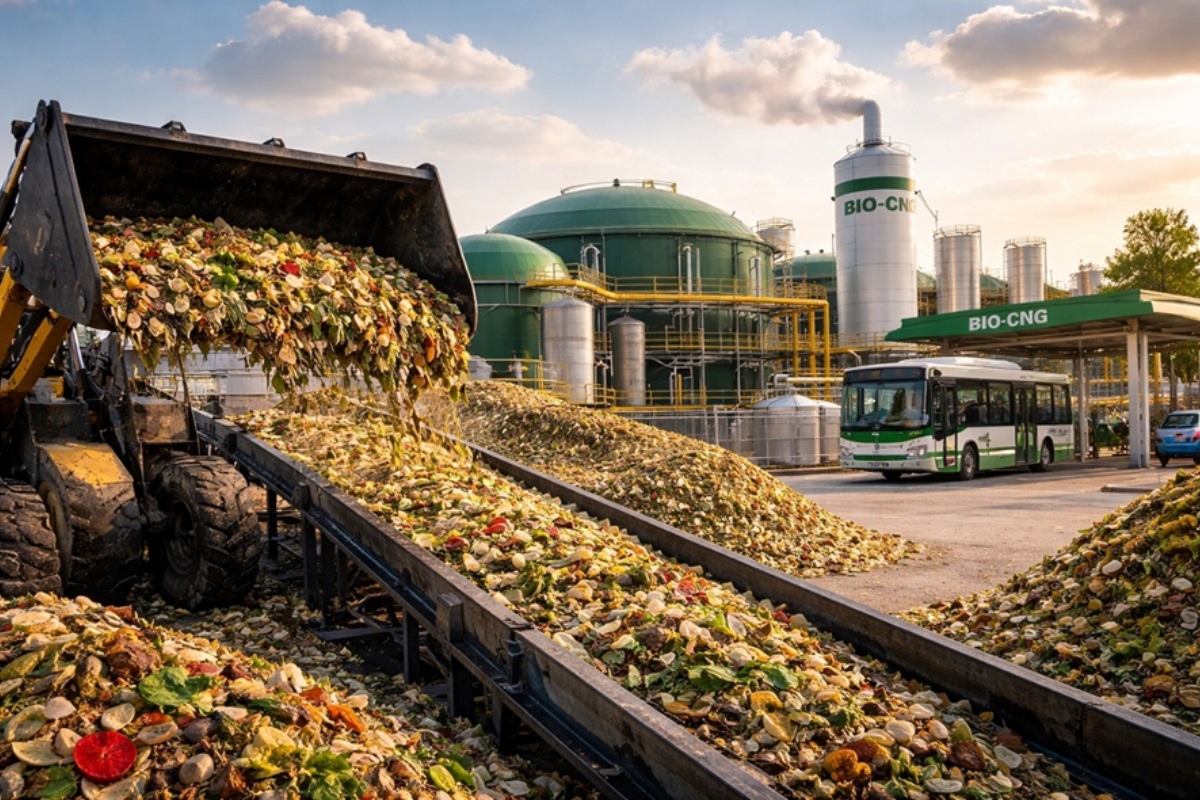


In Indore, Madhya Pradesh Government Implemented a Bio CNG Plant of 550 Tons Daily to Turn Organic Waste into Clean Fuel, Reducing Pollution, Generating Renewable Energy, and Creating Large-Scale Jobs
The city of Indore, in India, has undergone an impressive turnaround in how it handles organic waste. What was once discarded in open landfills, causing bad odors, soil contamination, and health risks, has now become raw material for clean energy production.
The daily volume of organic waste generated by homes, restaurants, and businesses has always been high. For years, improper disposal caused air pollution, groundwater contamination, and wasted a valuable energy resource.
The change happened with the implementation of the Gobardhan Bio CNG project, which created a structure capable of transforming waste into biogas, fertilizers, and fuel for public transportation. The environmental and economic impact has drawn attention for uniting waste management, renewable energy, and the circular economy.
-
Fired during apartheid and with a little borrowed money, an electrician started with a borrowed truck and transformed electrical services into a group connected to energy, real estate, and infrastructure in South Africa.

-
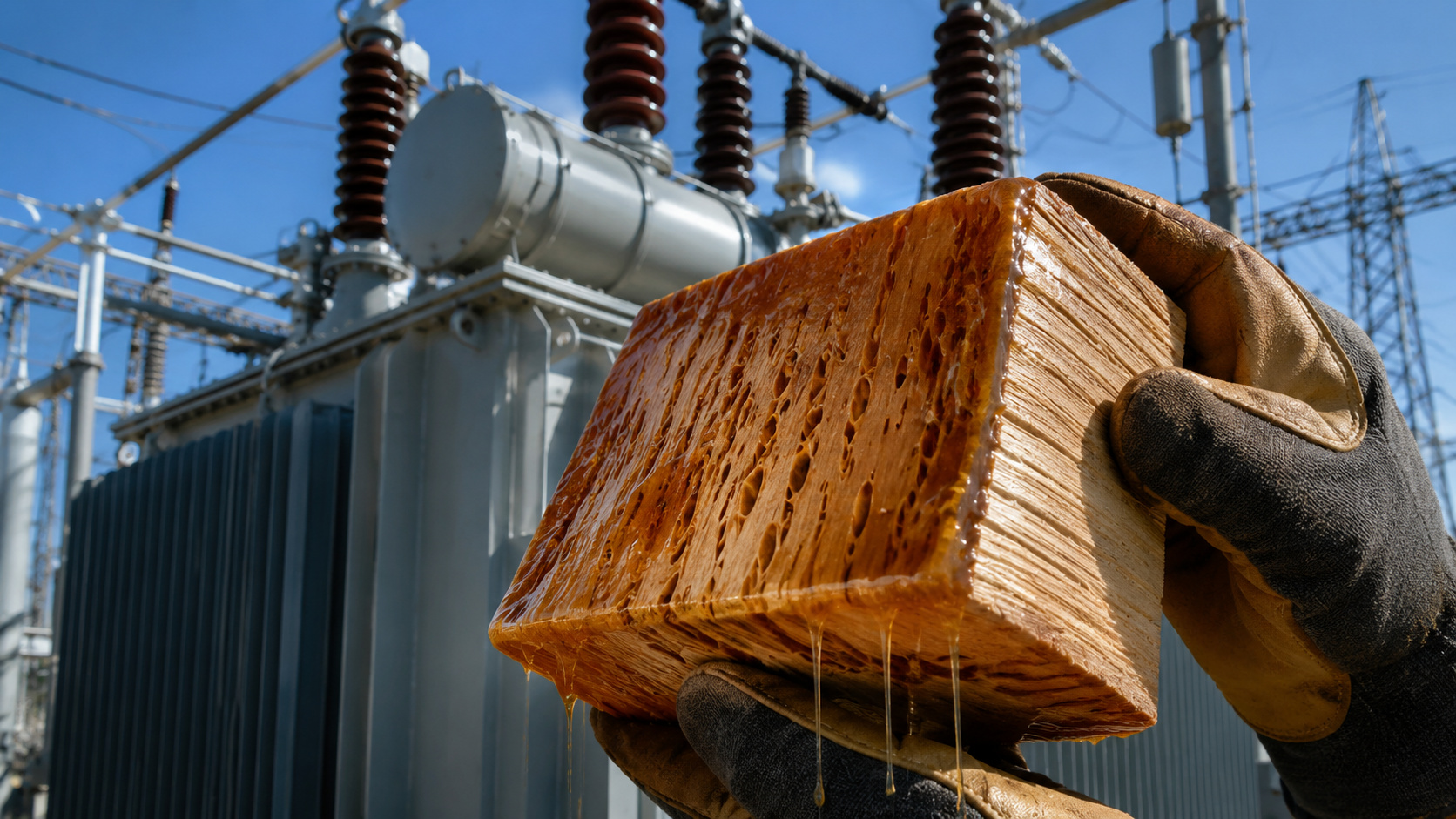
Wood has ceased to be just a construction material in Yale research and has become insulation for electrical transformers that face intense heat, aging, and increasing pressure from the renewable energy-powered grid.
-
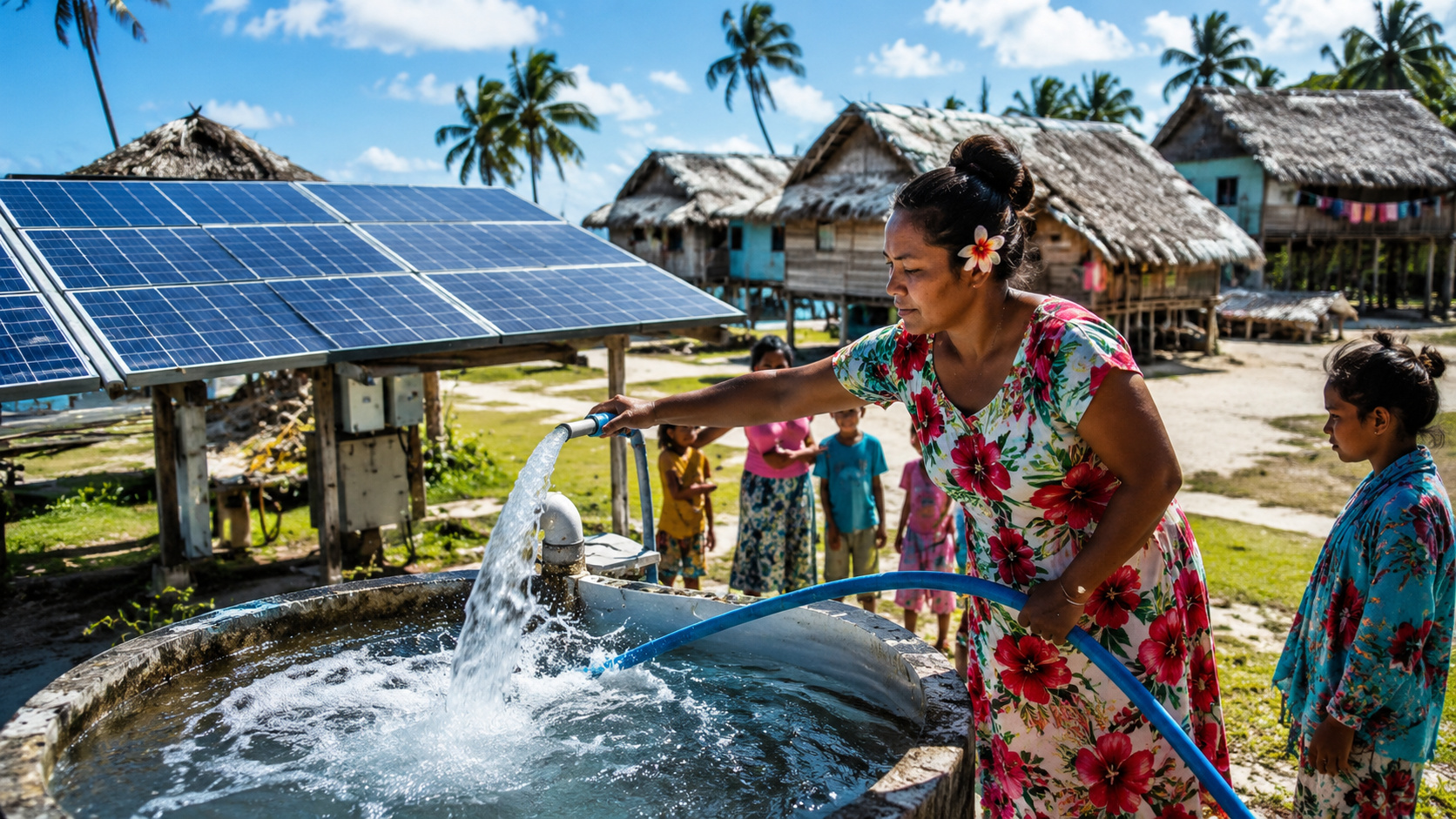
More than 1,000 residents of a remote island in Kiribati now have clean water and electricity with solar systems operated by the community itself.
-
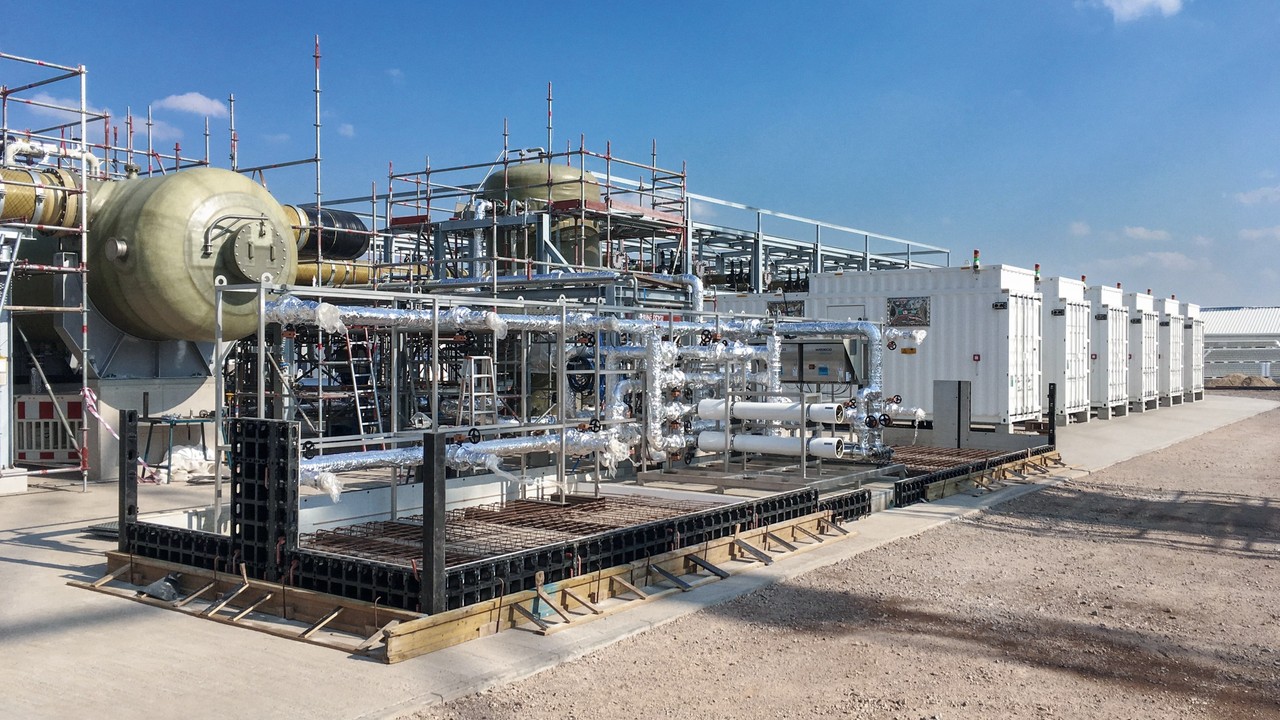
Ceará brings together 7 giants and R$ 66 billion to transform Pecém into the largest green hydrogen hub in Brazil, with final decisions expected by the end of 2026.


The Crisis of Organic Waste That Pressured the City to Seek an Energy Solution
Indore faced a growing problem of improper disposal of organic waste. A significant portion of the material was sent to landfills or open dumps.
This model generated three immediate effects:
Atmospheric pollution, intense odors, and groundwater contamination.
Furthermore, all that waste was neglected as a source of energy. The need for a sustainable solution led to the creation of a system that treated the waste and still generated economic value.
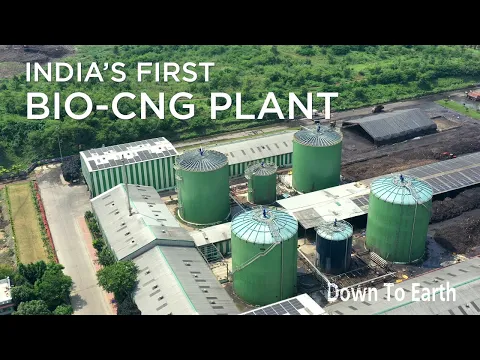

How the Conversion of Waste into Bio CNG Works in Practice
The project adopted a decentralized waste management model, installing biogas plants in different parts of the city.
The process follows technical stages:
Organic waste is segregated at the source with a purity index of 95 percent. It is then sent to processing units such as the Kabitkhedi biomethanation plant and the Devguradiya composting unit.
At these facilities, the material undergoes biodigestion, generating biogas. After being purified and compressed, it transforms into compressed biogas, or Bio CNG, a fuel considered cleaner than diesel and gasoline.
The system also generates economically valuable by-products:
Organic compost, liquid fertilizer, carbon dioxide, and inert waste.
Numbers Reveal the Giant Scale of the Energy Project
The operational data impress with their scale:
The main plant has a capacity of 550 tons per day, making it the largest Bio CNG unit in Asia within a zero-discharge model.
Combined with two smaller units of 15 and 20 tons daily, the installed capacity reaches 585 tons per day.
In practice, about 543 tons of wet waste are treated daily.
Production includes:
17,000 to 19,400 kilograms of Bio CNG per day
20 percent of organic compost
The total investment reached 150 crores of rupees in a public-private partnership model with a 20-year concession.
Direct Impacts on Mobility, Economy, and Environment
The effects appeared on multiple fronts.
In urban mobility, the generated fuel already powers 430 buses, equivalent to 77,400 kilometers traveled per day.
In the local economy, 150 direct jobs and 300 indirect jobs have been created.
The municipality has also started to profit from carbon credits, collecting approximately 9 crores of rupees in the first two years.
In terms of the environment, the gains are significant:
130,000 tons of CO2 equivalent avoided per year
Reduction of nitrogen and phosphorus discharge into water bodies
Annual replenishment of 12,000 tons of organic carbon in the soil
The costs of waste treatment and transportation have also decreased.
Operational Challenges and Environmental Barriers Faced
Even with positive results, the project faced technical obstacles.
During the monsoon season, processing capacity decreases due to the high moisture content of the waste.
Another issue involves the disposal of coconut husks, which compress during transport and hinder treatment.
There are also ambitious environmental goals, such as keeping the air quality index below 50 and eliminating single-use disposable plastics in the city.
Measures Adopted to Maintain the Sustainable System
To enhance efficiency, the operating hours of the plants have been extended.
In air quality control, initiatives include:
Relocation of brick kilns and mills
Banning fossil fuels in traditional ovens and stoves
In the fight against disposable plastics, markets free of disposables have been created, and extended producer responsibility has been implemented.
Complementary projects reinforce the circular model, such as utensil banks, zero-waste neighborhoods, recycling, and artistic repurposing of waste.
The result is an integrated environmental management system.
The transformation of waste into fuel on a large scale has made Indore an international reference in urban renewable energy. The combination of technology, total waste segregation, and robust investment shows how a critical environmental problem can become a source of energy, income, and sustainable development in just a few years.
What did you think of this transformation of waste into clean fuel on a large scale? Do you believe this model could be applied in Brazilian cities?








Commendable. Hope this model removes woes of Delhi. What a wealth from waste !!