Portuguese
  Spanish


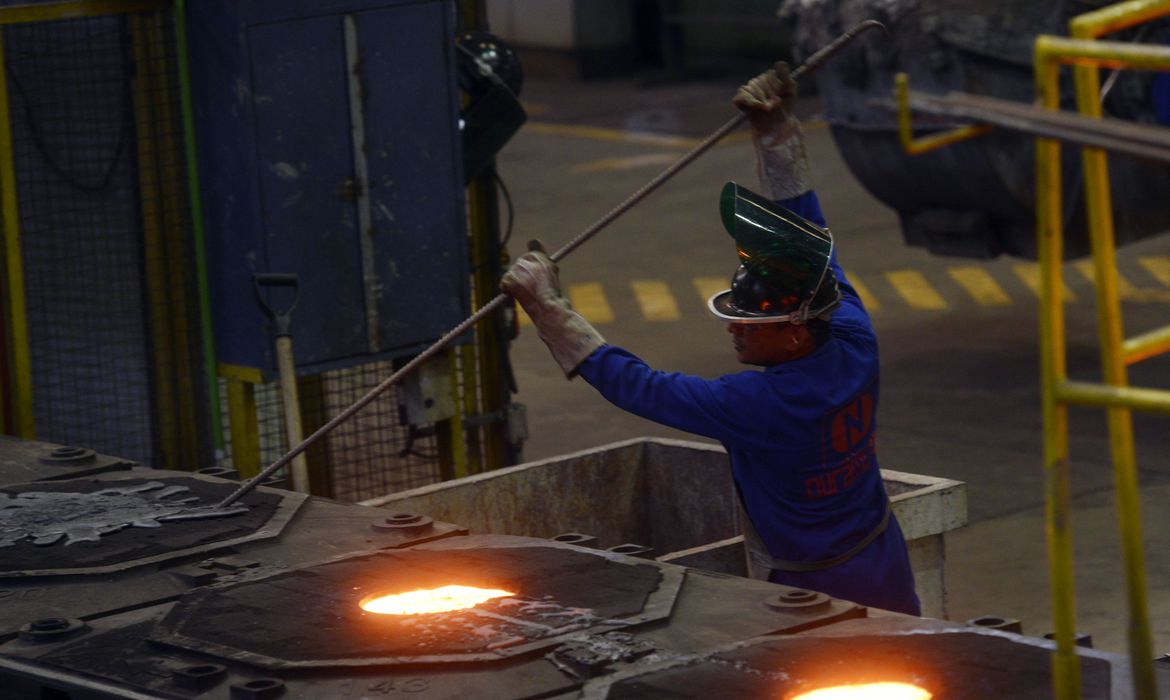

Steel Industry Resumes Idle Capacity and Returns to Pre-Pandemic Production Levels
One of the most important sectors for job creation, the Brazilian steel industry has resumed its idle capacity, reaching pre-pandemic production levels. Marco Faraco, president of the Aço Brasil Board of Directors, stated that steel production in Brazil operated at only 40% of its capacity at the peak of the pandemic. Given the governmental actions and the micro and macroeconomic scenarios of the country, the industry has recovered.
Faraco also addressed the drastic reduction in steel exports during the pandemic. This action was taken to meet domestic market needs. According to him, the expectation is that the steel industry sector will see growth of 14% in crude steel production compared to 2020. Meanwhile, domestic sales are expected to increase by 19%, while apparent consumption is projected to rise by 24%.
“We consider the recovery of the systemic competitiveness of the Brazilian steel sector as a priority, and this is directly linked to the Cost of Brazil. The approval of tax reform is essential, being broad and reducing tax cumulative effects,” he said.
-
China’s Engineered Bamboo: The “Material of the Future” Stronger Than Steel and a Sustainable Wood Alternative

-
Egypt’s “New Nile”: 170 km Artificial River Aims to Turn Desert into Farmland, but Water Supply Concerns Loom
-
Eni Acquires 25% Stake in Chilean Lithium Project, Plans to Invest Up to $225 Million in Eco-Friendly Extraction Method
-
Unable to secure a mortgage as a self-employed single mother, she designed her own floating home from a 20-meter boat and now lives “off-grid” with her two children and solar panels on an English canal.



Aço Brasil Congress
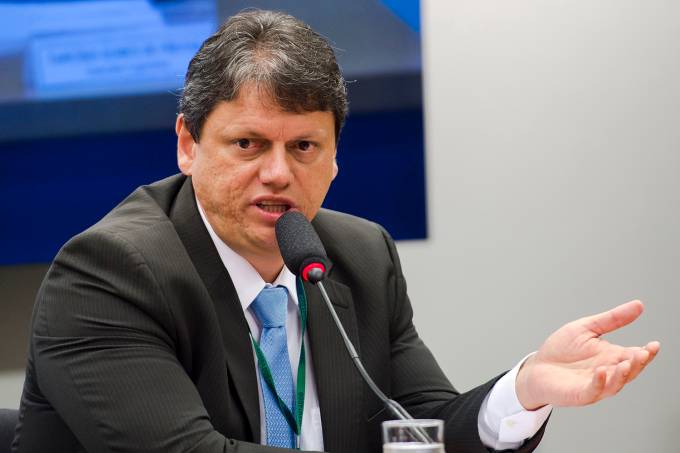
On Wednesday, the opening of the Aço Brasil 2021 congress took place, bringing together authorities, experts, and business people remotely to discuss expectations and the steel sector in the economy. Tarcísio de Freitas, Minister of Infrastructure, was also present and commented on Brazil’s steel production in 2021.
“We have seen growth in domestic sales and apparent consumption of steel products. Steel is a leading indicator. This means that following this growth in steel consumption, we will also see growth in our gross domestic product,” said the Minister of Infrastructure.