Portuguese
  Spanish


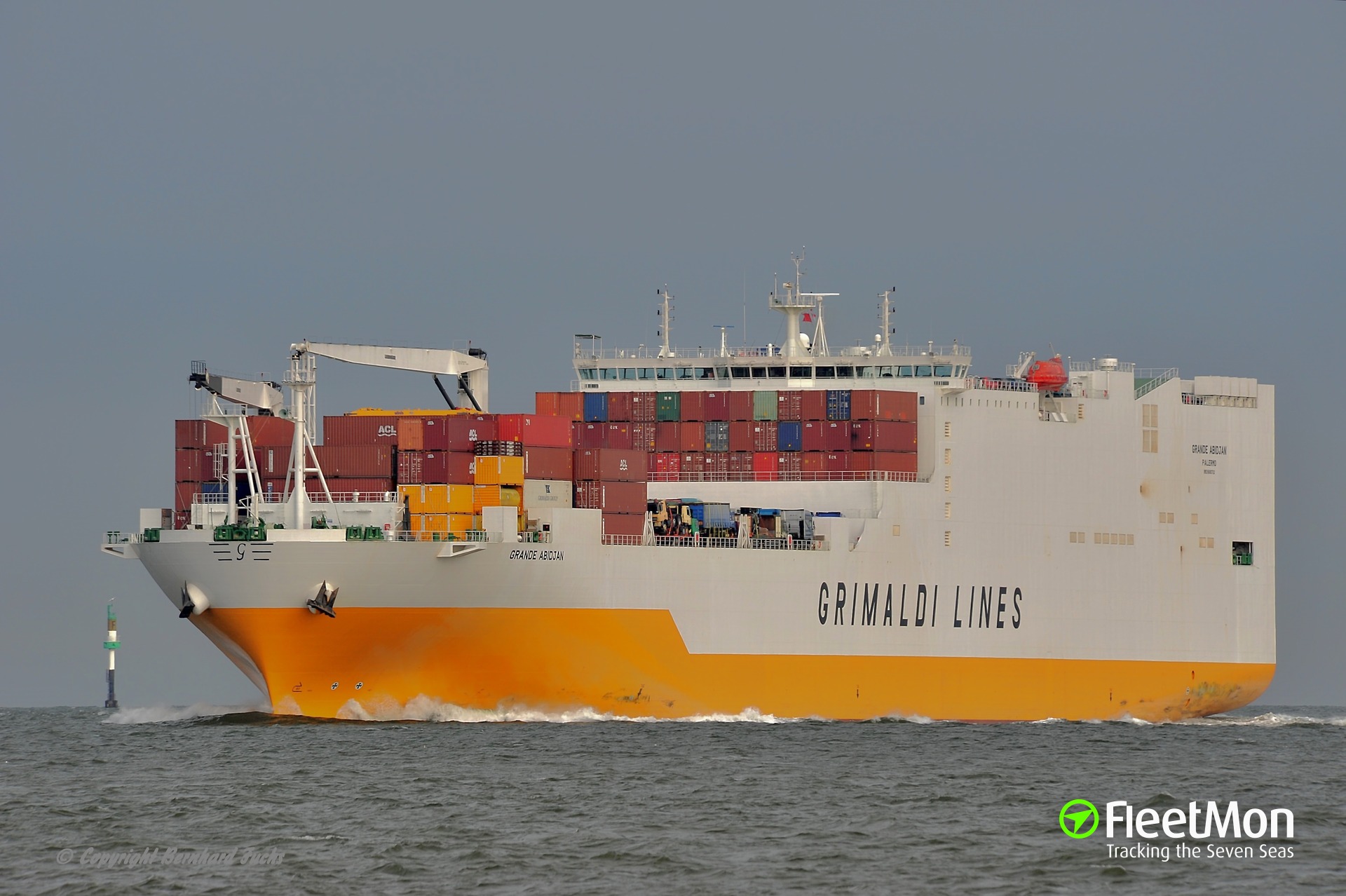


The Italian Ship “Grande Abidjan” Is From The Grimaldi Group, Giant In The Maritime Industry
Maritime Industry: The Italian ship “Grande Abidjan,” from the Grimaldi Group, docked at the Paranaguá Container Terminal (TCP) this Thursday (23). With a capacity to carry 71,000 tons of cargo, it is the largest ro-ro (roll-on/roll-off) ship ever to dock in the history of the Port of Paranaguá. The previous one, “Grande Buenos Aires,” also from Grimaldi, has a capacity of 56,000 tons.
The Grimaldi Group is an Italian private shipping company that operates a large fleet of ro-ro, ro-ro/multi-purpose, con-ro multi-purpose, PCTC, ro-pax, and cruise ferries. The multinational in the maritime industry provides integrated maritime logistics services to major vehicle manufacturers, transporting cars, various types of rolling stock, containers, unitized cargo, and passengers via maritime routes.
Safety And Expertise Of The Port Of Paranaguá For Cargo Transport
According to the shipping manager, Carolina Brown, “one of the major challenges of logistics today is the transportation of project cargo, as these are complex operations that require safe handling and significant expertise. The Paranaguá Container Terminal (TCP) has a diversified portfolio of services, specialized teams, operational resources, and dedicated equipment that allow us to handle this type of cargo.”
-
They exchanged the idea of a large house for a 35 m² warehouse, spent US$ 12,000 on the structure, and created a tiny house in Colorado with space to live and work.

-
While modern cities rely on pumps and electricity, in Iran, ancient tunnels carried water through the desert using only slope and gravity.
-
Instead of sending families far from the city, a project in Chile intentionally created incomplete houses on expensive urban land and left technical space for each to grow.
-
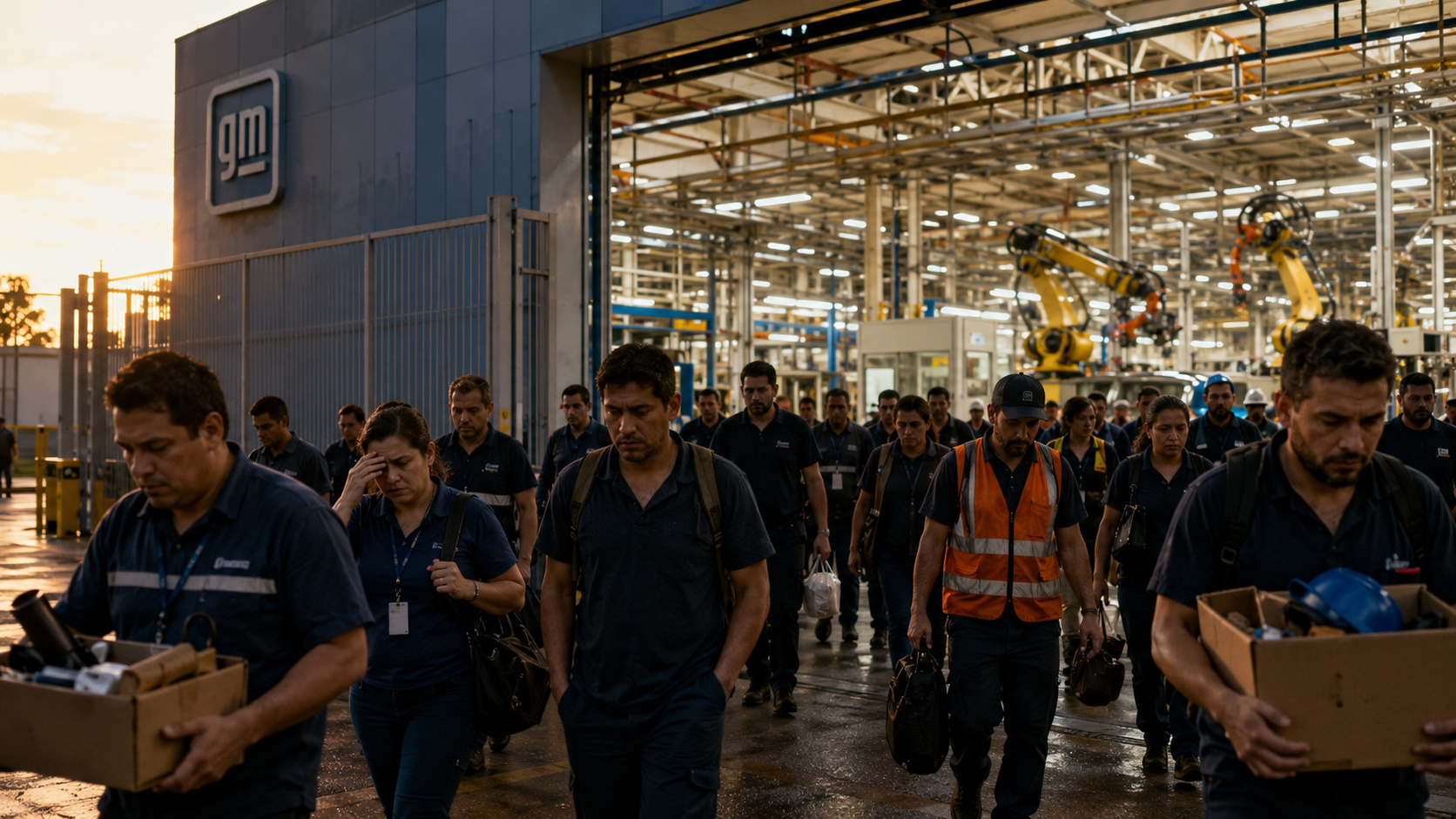
General Motors Replaces Over a Thousand Workers with 50 Cobots at Electric Vehicle Plant, UAW Union Criticizes Move Amid Industry’s Automation Push

The Port of Paranaguá is essential for the country’s maritime industry, as it offers the largest number of maritime routes in Brazil, regularly operating with all carriers present on the Brazilian coast. With an operational team having over 20 years of experience, TCP has participated in expansion projects for major companies such as Klabin, Fibria, Ambev, Heineken, and others.
Investments In Team, Structure, And Technology Allowed The Port Of Paranaguá To Break Records
According to Carolina Brown, investments in team, structure, and technology have enabled significant progress in the transport of cargo ships. “We expanded the teams, which already in 2022 allowed us to break several records,” she states. One of these records was in productivity: in October of last year, TCP performed 202 movements per hour on the same ship.
The Paranaguá Container Terminal has the highest number of regular services in the region with global coverage (Asia, Europe, Americas, and Africa). In addition, it has a prime location in a protected bay, allowing for excellent navigation and stay conditions.