






 Portuguese
  Spanish





The Shipbuilding Industry Returns Strongly to Rio Grande do Sul: 1,500 Direct Jobs Will Be Created With the Reactivation of the Rio Grande Shipyard, Boosting the Local Economy.
The shipbuilding industry in Rio Grande do Sul is making a full comeback. The confirmation came this Wednesday (07/29), during a meeting in Porto Alegre, where the creation of 1,500 direct jobs was announced with the reactivation of the Rio Grande Shipyard. The meeting was organized by state deputy Halley Lino and was attended by representatives of Ecovix, responsible for the execution of new naval projects, including vessels contracted by Transpetro. The objective, according to those involved, is to consolidate the return of the shipbuilding hub in Rio Grande do Sul and stimulate the economic development of the southern region of the state.
Rio Grande Shipyard Starts New Phase Focused on National Construction
During the meeting, a detailed outlook on the resumption of naval construction at the Rio Grande Shipyard was presented.
The operational director of the shipyard, Ricardo Ávila, explained that the new phase of the project is different from the previous one: now, Ecovix is also responsible for the design and engineering of the vessels — and not just for execution.
-
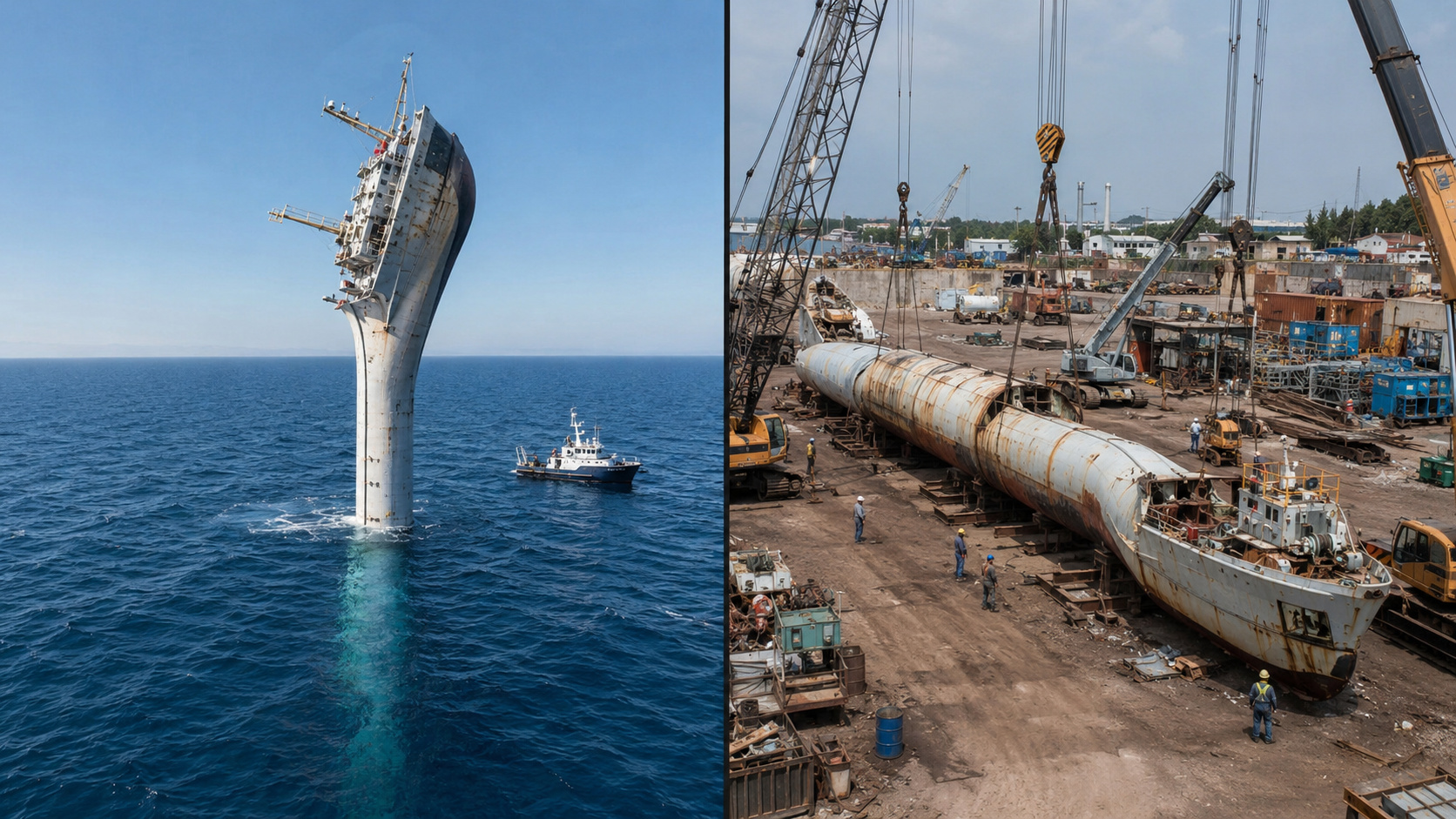
The FLIP: A 108-Meter Ocean Laboratory That Stood Vertically for 60 Years, Dismantled in 2023

-
North Korean Fiasco: Launch of the Largest Warship Ends in Sinking

-
While giant ships still burn heavy fuel and the maritime sector races against climate targets, Maersk and Vale are starting to bet on ethanol as a new route to reduce emissions at sea.

-
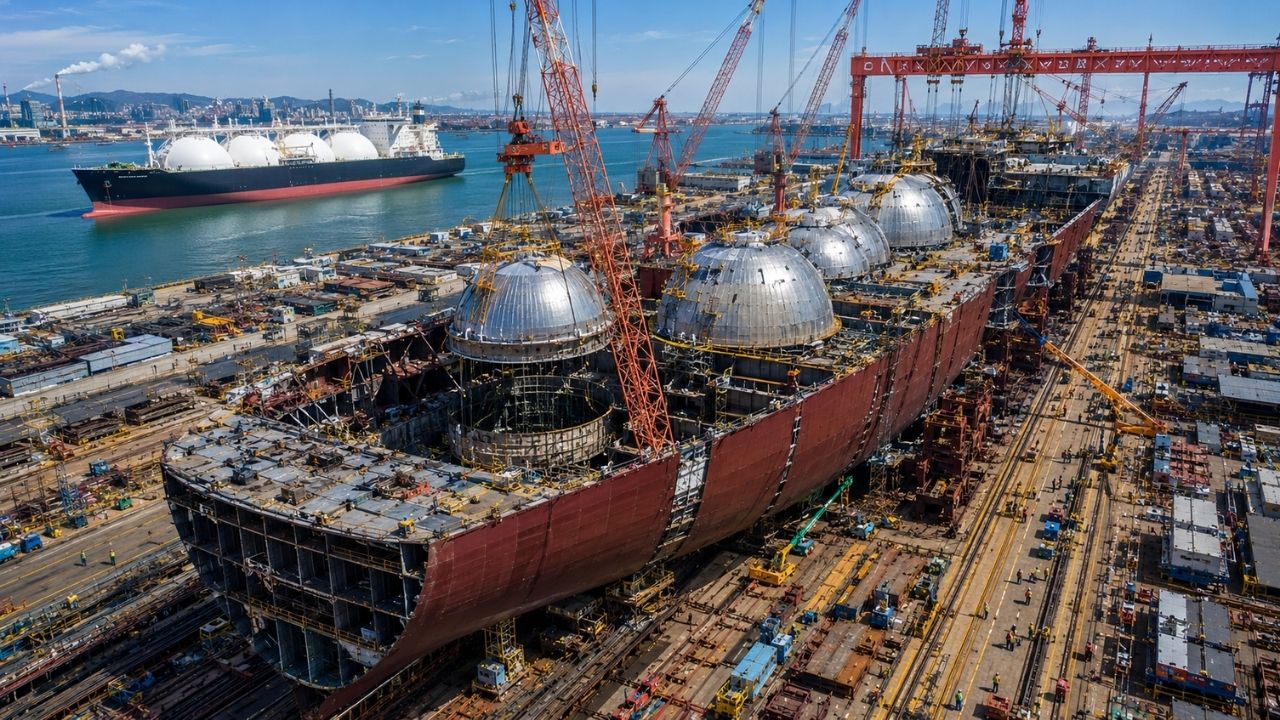
China begins construction of the world’s largest LNG ship, a 344-meter giant capable of supplying 4.7 million homes for a month, carrying 271,000 m³ of gas, and placing QatarEnergy in the largest naval order ever recorded in world history.


“We have been working on the engineering part for several months. We understand the anxiety for the resumption of mass hiring, but a project of this size requires well-defined stages,” clarified Ávila.
The contract with Transpetro, according to the president of Ecovix, Robson Passos, is expected to come into effect by the end of August.
From then on, structural adjustments at the shipyard will begin, and the hiring is expected to occur between December 2025 and January 2026.
Job Creation Boosts the Regional Economy
With the construction of the first vessels, the immediate impact will be the creation of over 1,500 direct jobs, in addition to other indirect positions that will arise throughout the process. The shipbuilding industry thus returns to being one of the great promises for growth in the southern state.
According to deputy Halley Lino, the importance of the reactivation goes beyond the productive aspect. “We can affirm that the resumption of the naval hub in Rio Grande is already a reality. Now, our goal is to make the state government aware to ensure support and incentives for this sector, which will generate thousands of jobs and boost the economy of Rio Grande do Sul,” said the parliamentarian.
Ecovix Plans to Compete for Bids for New Ships
In addition to the contracts already signed with Transpetro, Ecovix plans to participate in two new bids for the construction of more eight vessels.
If these projects materialize, the volume of jobs could grow significantly, further amplifying the positive effects on the shipbuilding industry in Rio Grande do Sul.
The advisor to federal deputy Alexandre Lindenmeyer (PT), Luciano Gonçalves, was also present at the meeting and highlighted the alignment between federal and state representatives to strengthen the sector.
Reactivation Values Local Labor and Restores Confidence in the Sector
The reactivation of the shipbuilding industry in the state represents a victory for skilled workers, many of whom have been out of the market since the sector’s crisis in recent years.
The new phase brings the valorization of local labor, in addition to concrete perspectives for stability and growth.
The return of activities at the Rio Grande Shipyard symbolizes not only the restructuring of an important production hub but also the restoration of confidence in the execution capacity of the Brazilian shipbuilding industry.





Your blog is a breath of fresh air in the often stagnant world of online content. Your thoughtful analysis and insightful commentary never fail to leave a lasting impression. Thank you for sharing your wisdom with us.