Portuguese
  Spanish


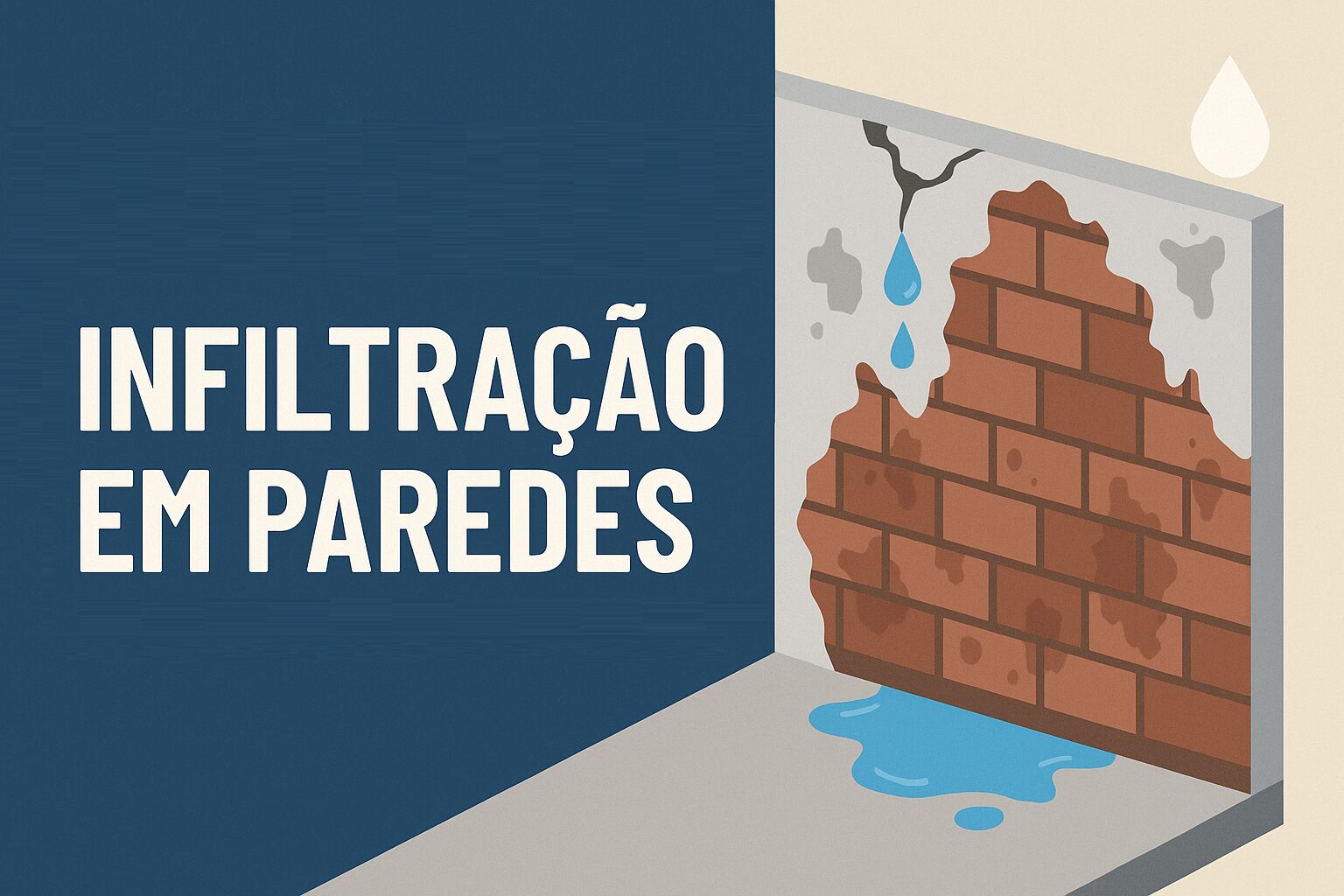

Understand How Infiltration Occurs, Learn About the Most Common Types, Know How to Solve Each Case, and See Practical Tips to Prevent Damage to Your Walls and House Structure
Infiltration is a problem that affects many homes and buildings. It occurs when rainwater, soil moisture, or pipe leaks penetrate the property’s walls. This situation generates stains, bubbles, mold, and other damages, affecting the comfort, aesthetics, and health of the residents.
In addition to harming the appearance, infiltration can compromise the building’s structure and cause respiratory problems. Therefore, it is essential to know how to identify, solve, and prevent this situation.
What Causes Infiltration in Walls?
There are several causes of infiltration in walls. Knowing the main reasons is the first step to adopting the correct measures.
-
With 26 Million Brazilian Families in Substandard Housing, Churches to Launch 2026 Challenge: Each Parish to Build or Renovate a Home for a Local Family

-
Wood-Look Aluminum Emerges as a High-Tech Alternative for Facades and Gates, Offering Sophisticated Aesthetics and Low Maintenance

-
Couple Transforms 1964 Concrete Water Tower into Four-Bedroom Home with Views of London Over Four Years
-
U.S. City Builds Tiny Home Village on Water Company Land to House 136 Homeless People: Inside the Social Housing Units




Unprotected or Cracked Slabs: One of the most common causes is the lack of waterproofing on the slab. When this happens, rainwater gradually penetrates, affecting both the ceiling and the walls. Additionally, broken, cracked, or chipped tiles also contribute to the problem.
Rainwater Directly on the Wall: When the house does not have a proper eave or it is too small, rainwater directly hits the wall. The absence of gutters to direct the water worsens the situation, causing infiltration to appear in the middle of the wall and spread.
Leaking Pipes: Wet areas such as kitchens, bathrooms, and laundry rooms are more susceptible to infiltration due to broken or clogged pipes. Small leaks can turn into significant problems over time.
Lack of Ventilation: Humid environments without adequate ventilation encourage the development of stains. In this case, the problem is not infiltration per se, but the result of excess moisture. Opening windows and doors daily helps reduce the risk.
Infiltration from the Ground: Infiltration does not always come from above. When it occurs from the ground, it indicates that beams and structures were not properly waterproofed during construction. Moisture rises through the walls, causing damage that is difficult to repair.
Neighboring Property Issues: In some cases, the origin of the infiltration is from the neighboring property. An uneven floor, cracks in the wall, or leaking pipes can affect the structure of your home. The solution in these cases is to seek dialogue and resolve the issue together.
What Are the Types of Infiltration?
Identifying the type of infiltration is essential for applying the appropriate solution. Below, learn about the main types found in homes and buildings.
Negative Pressure Infiltration: Common in constructions located in areas with heavy rainfall or below the water table. It occurs when there are failures in waterproofing, allowing moisture from the ground to reach the walls.
Weather-Related Infiltration: Caused by the action of rainwater on roofs, walls, and fences with maintenance issues. The lack of proper repairs facilitates water entry, generating stains and structural damage.
Condensation Infiltration: Very common in environments such as bathrooms and kitchens. It occurs when water vapor comes into contact with cold surfaces, condenses, and returns to liquid state, causing mold and stains.
Capillary Rising Infiltration: This type of infiltration happens when moisture from the ground rises through the walls via the foundation’s pores. It is more common in older buildings and in high-moisture areas.
How to Solve Infiltration?
To solve infiltration, the first step is to identify its cause. Only repairing the wall does not solve the problem if the source of the infiltration is not corrected.
If the cause is the lack of waterproofing, it is necessary to remove the paint and plaster from the affected area until exposing the masonry. Then, apply the waterproofing product appropriately.
When the source is the roof, it is essential to assess the condition of the tiles. If there is damage, they must be replaced. After the repair, the application of waterproofing products is essential to prevent further problems.
In cases of infiltration from broken pipes, the solution is to replace the damaged plumbing. Depending on the severity, it may be necessary to replace the entire plumbing system of the house.
When the infiltration comes from the ground, the recommended procedure is to remove the plaster from the wall and apply a waterproof mortar. In some cases, especially when the structure is compromised, it may be necessary to call an architect or engineer to assess the best solution.
How to Prevent Infiltration?
Prevention is the best strategy against infiltration. Some simple measures can prevent headaches in the future.
Investing in waterproofing for slabs, walls, floors, and foundations is essential. Quality products ensure effective protection against water penetration.
Proper sealing of doors and windows is also important to prevent rainwater entry. Choosing quality plumbing systems reduces the risk of leaks. Brands like Amanco Wavin are a good choice for those seeking safety.
Conducting periodic inspections of the roof, gutters, and plumbing allows for identifying small problems before they become significant damage. Maintenance and cleaning of the gutters are also essential to avoid water accumulation and ensure proper drainage.
Infiltration is a serious problem that goes far beyond aesthetics. It can compromise the structure of the property and harm the health of the residents.
Identifying the causes, acting quickly, and adopting preventive measures are the best strategies to keep your home safe and comfortable. Now that you know the topic better, it will be easier to act at the right moment.