Portuguese
  Spanish


With Solar Energy Being Incorporated as Standard in Buildings, England Takes an Important Step Towards Total Decarbonization of the Electric Grid, an Ambitious Goal Which, According to the Government Plan, Must Be Achieved by 2030.
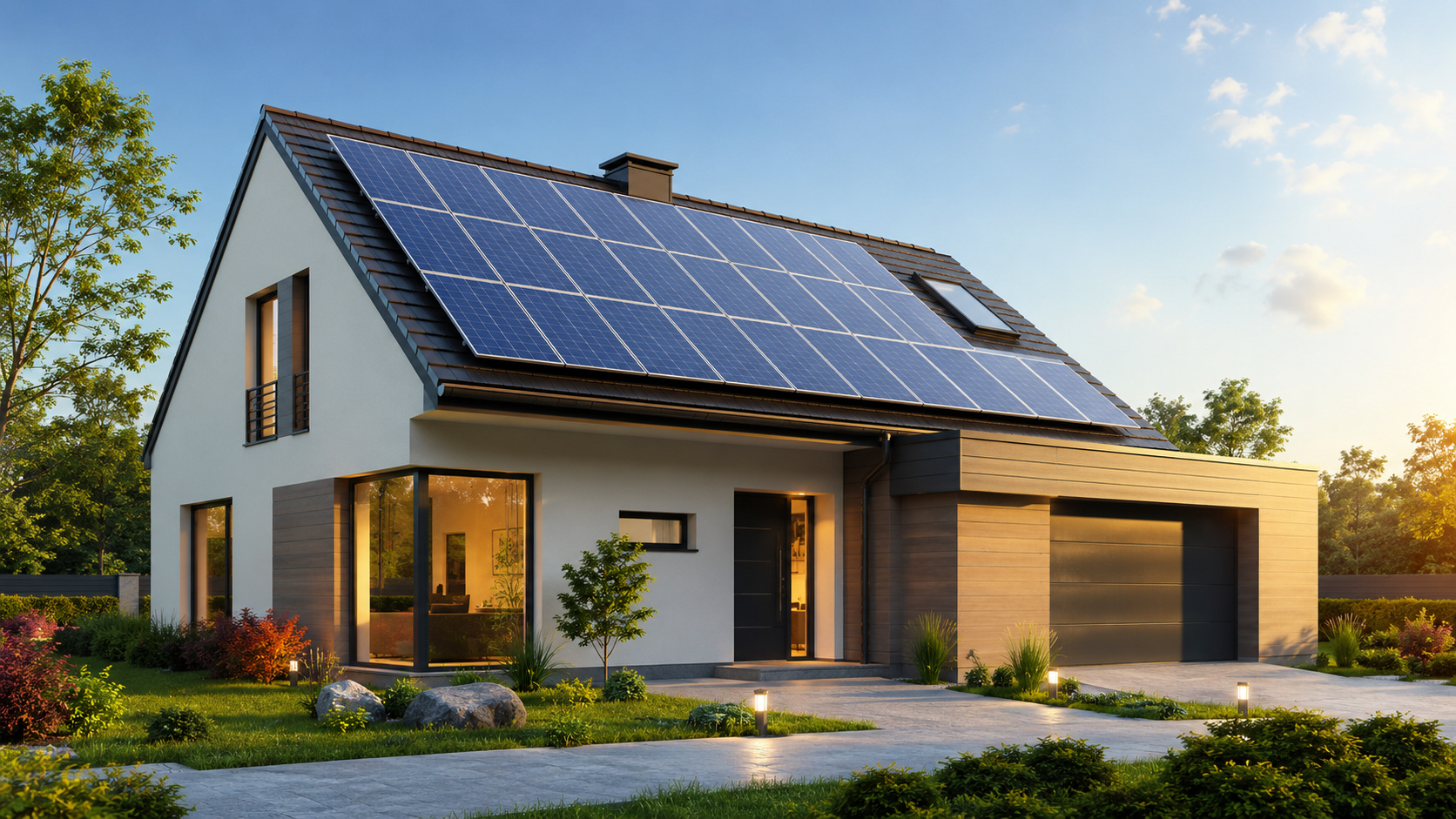
All homes built in England starting in 2027 will need to have solar panels (solar energy) installed on their roofs. The measure, which is part of the government plan known as Future Homes Standard, aims to make properties more energy efficient and significantly reduce carbon emissions from the construction sector.
The initiative, still in the regulatory phase, aims to contribute to the goal of zeroing the carbon footprint of the UK electric grid by 2030.
Significant Savings for Residents
The financial impact of the change will be doubly positive. Although the additional cost for installing the photovoltaic system is estimated at € 900 per housing unit, savings on energy bills could exceed € 1,300 per year, according to projections from the British government itself.
-
Solar Chimney in Spain Harnessed Sun to Generate Electricity for 7 Years Without Burning Fuel

-
Solar energy reaches 55 GW, becoming the second largest power source in Brazil’s energy mix

-
Solar energy can increase property value by up to 10% and become a selling point.
-
Solar and wind energy surpass natural gas for the first time in the world and accelerate energy revolution




This represents an average reduction of nearly € 400 annually in electricity expenses for each family. In addition, the government is preparing an incentive program with subsidies and credit lines to facilitate the adoption of solar energy in already built homes, expanding access to the technology.
Construction of 1.5 Million Sustainable Homes
The plan includes the construction of around 1.5 million new homes in the coming years, all within updated sustainability standards.
The proposal is that the adoption of solar energy becomes a basic requirement, being part of the project from the start of construction.
Currently, approximately 60% of new residences in the UK are still delivered without any type of solar system, which evidences the need for new regulation.
The implementation of the measure depends only on the approval of the corresponding legislation, expected to occur by the end of 2025.
Industry Experts Support the Initiative
The Federation of Home Builders in the UK, which represents a significant portion of the real estate sector, sees the measure as a necessary advance.
Steve Turner, the executive director of the organization, highlighted that modern properties emit up to three times less carbon than older constructions and provide real savings for homeowners.
“New homes emit, on average, one-third of the carbon produced by older constructions, generating savings of thousands of pounds per year for owners,” Turner told the newspaper The Times.
He acknowledged, however, that the application of solar technology may not be feasible in all projects, depending on factors such as location and structure.
Solar Energy as Standard in the Housing of the Future
The requirement for solar systems represents an important shift in how England designs its housing future. With policies focused on sustainability and innovation, the country is anticipating a global trend, betting on solar energy as a central element of residential infrastructure.
This transformation reinforces the British commitment to the energy transition and puts future generations on the path to more economical, efficient, and environmentally responsible housing.
Source: Canal Solar