Portuguese
  Spanish


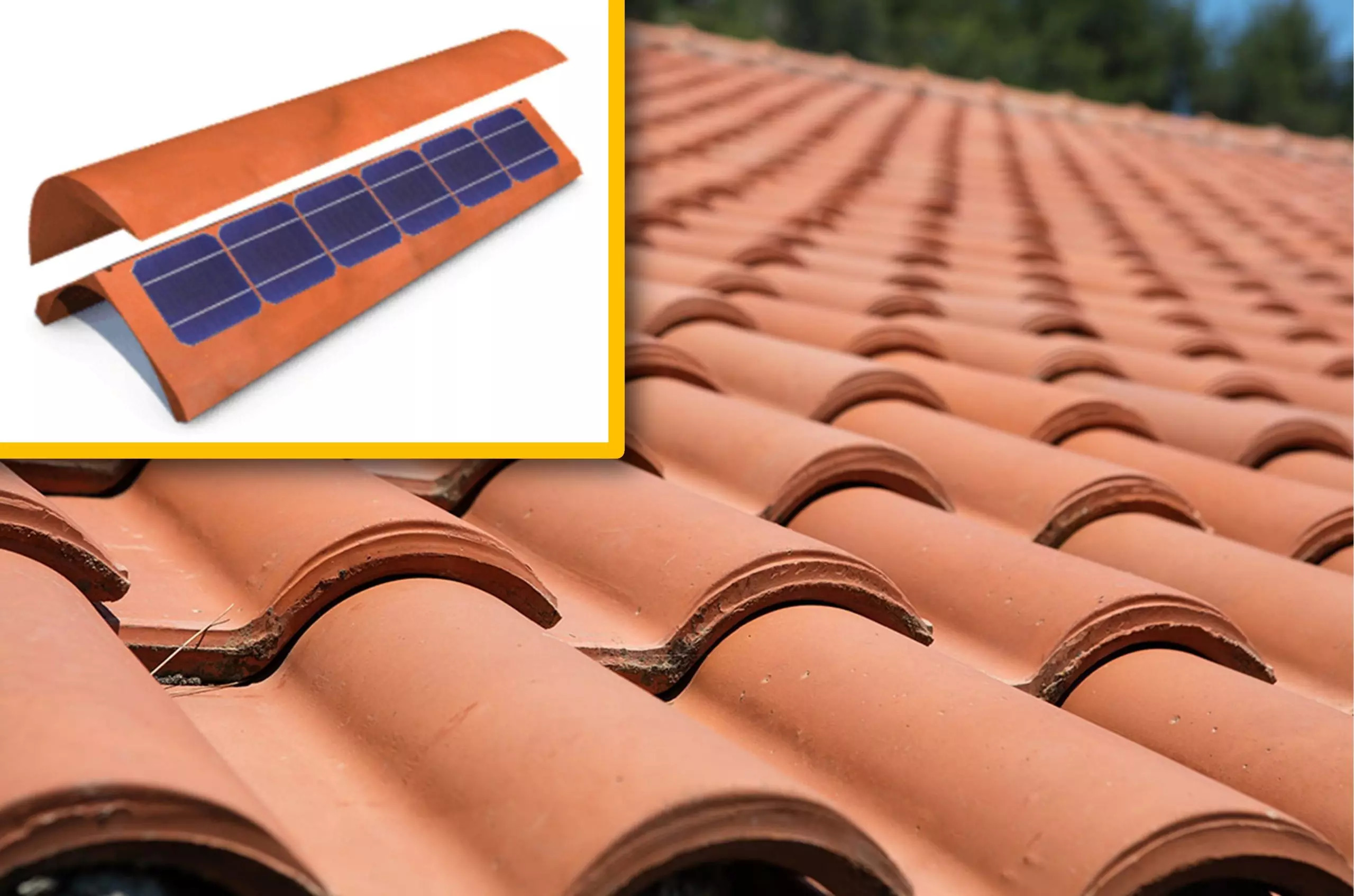


Italian Company Dyaqua Developed Solar Tiles With Invisible Technology to Integrate With the Architecture of Buildings. The Innovation Allows for the Production of Solar Energy in an Aesthetically Pleasing and Efficient Way.
Aiming at the future of the energy generation market, the Italian company Dyaqua has yet another major innovation for the sector: invisible solar tiles. The structures allow for optimized solar energy production without compromising the aesthetics of the environments. The technology integrates with the architecture of the spaces and, in addition to ensuring sustainability, makes them even more complete.
Italian Company Dyaqua Invests in Innovation and Presents New Project of Invisible Solar Tiles to Revolutionize Solar Energy Production
The production of solar energy is one of the solutions for tackling climate change and reducing greenhouse gas emissions.
Solar tiles are an increasingly used alternative for solar energy production in buildings, as they combine energy generation with the architecture of the structures.
-
World’s Largest Engie Solar Plant in Brazil Highlights Billion-Dollar Energy Waste Issue: Company Considers Batteries and Bitcoin Mining to Avoid Wasting Production

-
Air Products Cancels $2.9 Billion Clean Hydrogen Megaproject in Louisiana, Shuts Down Arizona Unit, Highlighting High Costs of U.S. Energy Transition
-
Over 60 Tractors Take to the Streets in Lopera as Solar Parks Compete with Olive Groves, Affecting 13,000 to 100,000 Trees According to Conflicting Reports

-
Green Hydrogen Projects in Northeastern Brazil Stalled for 18 Months Awaiting Government Decree, Delaying Billions in Investments


In this context, the Italian company Dyaqua has developed a technology for invisible solar tiles that integrate seamlessly with the architecture of buildings in an aesthetically pleasing and efficient way.
The invisible solar tiles developed by Dyaqua are made of a composite material of polymer, glass, and liquid crystal, allowing them to blend with the architecture of buildings without compromising aesthetics.
Moreover, the technology enables the solar tiles to have high energy efficiency, with a solar energy conversion rate exceeding 20%.
These products are an alternative for solar energy production in buildings, contributing to the reduction of greenhouse gas emissions and the mitigation of climate change.
With the invisible solar tiles developed by Dyaqua, it is possible to produce energy in an aesthetically pleasing and efficient manner, encouraging the adoption of the technology in new constructions.
Learn More About Invisible Tiles


Mass Production of Dyaqua’s Invisible Solar Tiles is Already Underway, Aiming for Expansion in the Global Market
Dyaqua, the Italian company responsible for the production of invisible solar tiles, has already started mass production of the tiles, partnering with construction companies to integrate the technology into new buildings.
Solar tiles are a viable and efficient alternative for solar energy production in buildings, and the invisible technology developed by Dyaqua represents an innovation in this market.
“They look exactly like the terracotta tiles used by the Romans, but they produce the electricity we need to illuminate the frescoes,” highlighted Gabriel Zuchtriegel, director of the Archaeological Park of Pompeii, to TechXplore.
Additionally, the composite of Dyaqua’s tiles can be used to simulate different types of materials, such as stone, wood, and concrete.
With its new project of solar tiles for the renewable energy market, Dyaqua is in the spotlight of the segment.