






 Portuguese
  Spanish


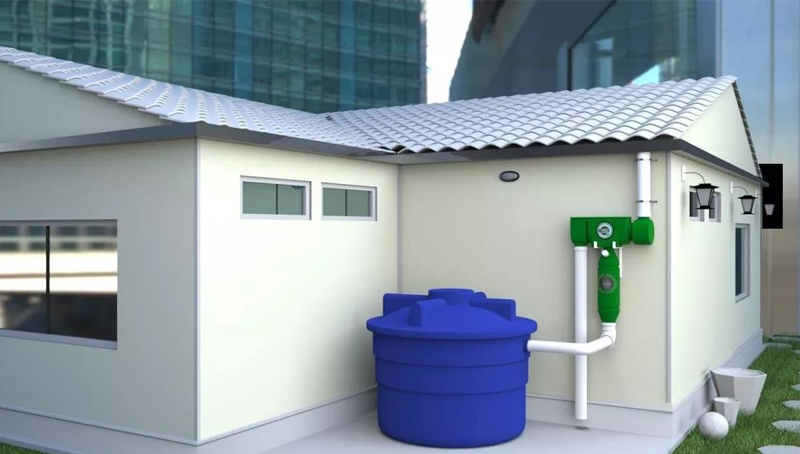


Catch, Purify and Use Rainwater in Your Construction with the System Developed in Brazil. Leading Technology for a Sustainable Life at an Incredible Price
Located in Betim, Belo Horizonte, the company Sanear Brasil launched a rainwater harvesting system that not only collects but also purifies rainwater to make it drinkable, establishing a new standard in ecological technologies for homes and businesses. construction
This system, called “Chove Chuva”, presents itself as a complete and pioneering solution for rainwater treatment.

Technical Details of the Water Harvesting and Purification Process
First Phase: Preliminary Filtration
-
Breakthrough in Clean Energy: Scientists Develop Battery-Free Artificial Photosynthesis Using Only Sunlight to Generate Chemical Energy

-
Revive Old Photos: Gemini’s Little-Known Feature Uses AI to Restore Damaged Images in Seconds with a Professional Six-Step Recovery Process

-
Young Brazilian Inventor Develops Microplastic Filter, Wins Scholarship to Study in China, and Implements Solution to Improve Water Quality in Southern Brazil

-
Brazilian Teen Develops Cost-Effective Natural Fungicide from Kitchen Herb, Wins Top Prize at World’s Largest Science Fair


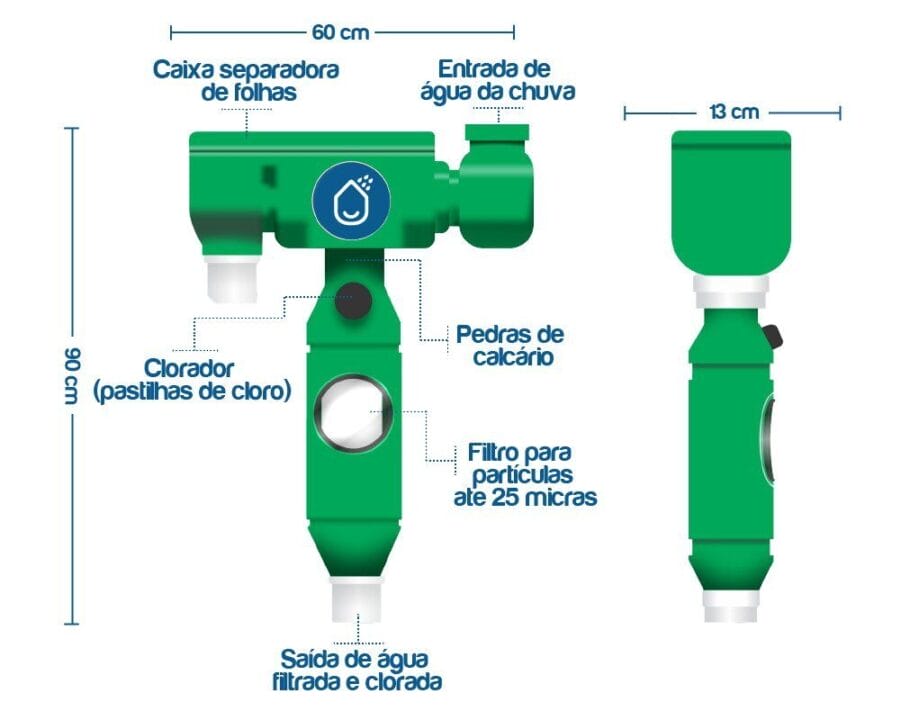
The process begins with a robust initial filtration system that uses a high-density polyethylene filter designed to capture large particles such as leaves, branches, and other debris that may be present in the collected water. This first barrier ensures that only the cleanest water moves on to the next stage. construction
Second Phase: pH Neutralization
After larger impurities are removed, the water is directed to a limestone bed. This step is essential for adjusting the water’s pH, neutralizing acidity and preparing it for effective disinfection. This adjustment is crucial, as a balanced pH is less corrosive to pipes and safer for human consumption.
Third Phase: Chlorine Disinfection
The next step involves the controlled addition of chlorine. This powerful disinfectant effectively eliminates harmful microorganisms that may still be present after the previous phases. Precise dosing ensures that the water is not only safe to drink but also retains a pleasant taste without excessive chlorine residue.
Fourth Phase: Fine Filtration
The final treatment stage uses a microfiltration system designed to remove the last impurities from the water. This precision filter guarantees that the water is free of any residue, providing a clean, crystal-clear final product ready for consumption and other household applications.
Capacity and Efficiency of the System to Treat Water in Your Construction
The “Chove Chuva” system is remarkably efficient in terms of storage and processing capacity. A catchment area of 100 m² can collect and treat up to 15,000 liters of water during heavy rain events. This capacity not only helps prevent erosion and reduce surface water flow but also provides a valuable resource during dry seasons or in water-scarce regions.
Various Applications and Environmental Benefits
The treated water can be used in various ways, optimizing its use at home for activities such as garden irrigation, cleaning of exteriors and vehicles, thereby reducing dependence on municipal water supply. Additionally, its use in toilets and washing machines helps conserve potable water for more critical needs. In agriculture, the system allows for more sustainable water management, ensuring the irrigation of crops even during dry periods. In buildings, the use of this water for cooling and heating systems minimizes the consumption of treated resources and operational costs.
Long-Term Impact and Economic Viability
Adopting the “Chove Chuva” system is not only beneficial from an environmental standpoint but also offers significant economic advantages. The reduction in potable water use can considerably lower costs in homes and businesses, amortizing the initial investment in the harvesting and treatment system. Furthermore, it contributes to the sustainability of water resources, a topic increasingly critical in the context of global climate change.
This system from Sanear Brasil demonstrates how technology and innovation can play a crucial role in solving environmental issues by providing practical solutions that benefit both individuals and communities. With the growing ecological awareness and the need for sustainable solutions, “Chove Chuva” positions itself as a leading alternative in water resource management.
Information obtained from the official page chovechuva.com.br






Serve para tornar a água da máquina de lavar para uso em descarga de banheiro e lavagem de pisos?
Tu isso para usar a água no jardim!?
Como o sistema de cloração é com pastilhas de cloro, sugiro recomendar o uso de filtro com vela de carvão ativado, para eliminar o cloro, na sua última fase. E o controle de cloro e pH seja efetuado com kit de análise de água de piscina. PH e cloro tem seus limites na portaria da potabilidade.