Portuguese
  Spanish


Technology That Promises to Connect Any Corner of Brazil Drives Progress in Remote Areas, but Already Mobilizes Authorities Against Use by Criminals. Unprecedented Measures Seek to Control Environmental Impacts and Increase Security.
Starlink Satellite Internet Changes Connectivity in Brazil
The arrival of Starlink satellite internet, owned by SpaceX and led by entrepreneur Elon Musk, has changed the connectivity landscape in Brazil.
With the promise of bringing high-speed internet to remote and hard-to-reach areas, the service quickly gained popularity among isolated communities, rural producers, indigenous people, and even public agencies.
The total coverage of Brazilian territory, including the Amazon, represented a significant advance for communication and economic development in these regions.
-
AI-powered toys that talk, recognize faces, and collect data face scrutiny from Brazilian government over children’s privacy concerns

-
4,000-Year-Old Child’s Skull Unveils Ancient Burial in 7,500-Year-Old Norwegian Rock Shelter, Impressing Archaeologists

-
Norway Defeats Brazil in World Cup but Invests Billions to Preserve the Amazon, Strengthens Amazon Fund, and Joins Brazil in Leading Global Effort Against Tropical Deforestation

-
Denmark Constructs Its Largest Breakwater with 175 Concrete Blocks and World’s Largest Excavator to Combat 8-Meter Waves, at a Cost of $156 Million




However, this same technological advancement has brought forth a new challenge: the use of technology by criminals, especially in illegal mining areas, forcing the unprecedented intervention of the Federal Public Ministry (MPF).
Use of Starlink by Criminals and Illegal Miners
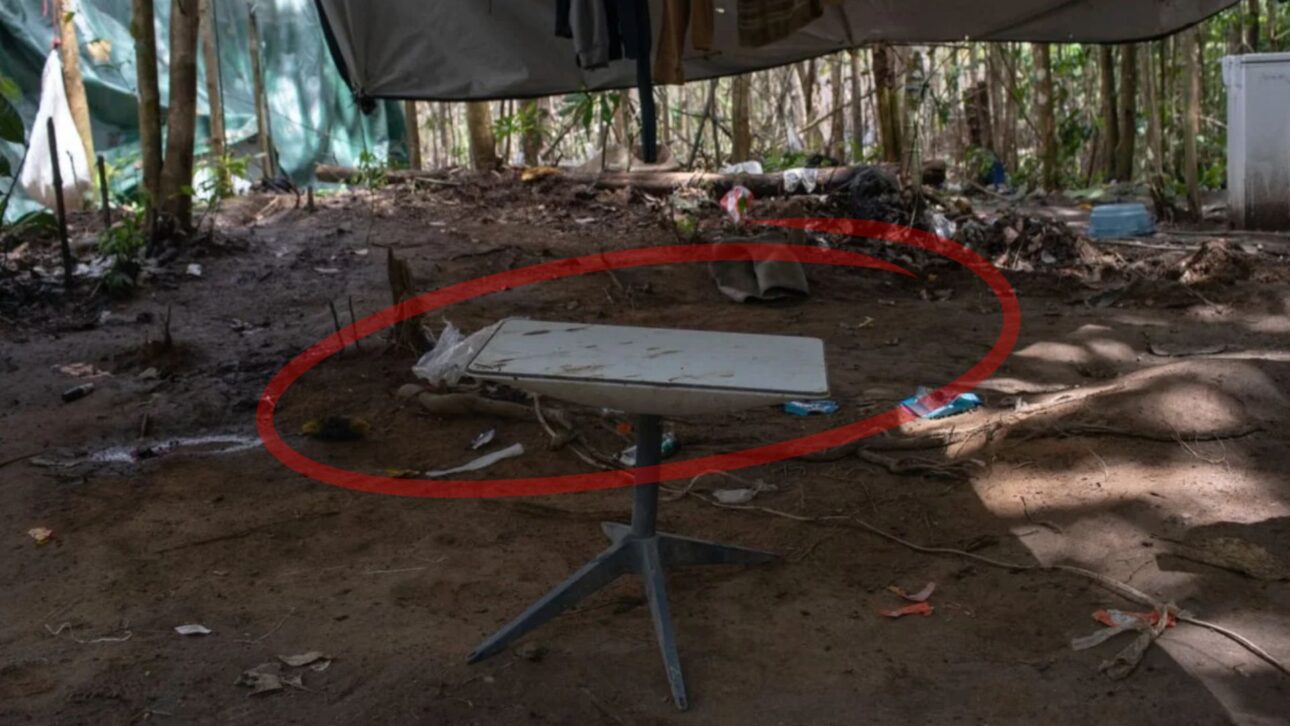
In recent years, reports have indicated the use of Starlink terminals by organizations involved in illegal activities in the Amazon rainforest.
The equipment, known for its ease of installation and signal stability even in remote locations, has become a strategic tool for illegal miners.
With access to high-speed internet, these groups have been able to improve logistics, monitor enforcement actions in real-time, and organize escape routes, making police and environmental repression even more challenging.
MPF Signs Unprecedented Agreement with Starlink
In light of this scenario, the MPF announced, in 2025, the signing of a Commitment Term with Starlink.
The goal is to prevent the misuse of technology in illegal mining operations in the Amazon.
The agreement, with an initial validity of two years, was signed by the 2nd Office of the Western Amazon, responsible for actions in the states of Amazonas, Acre, Rondônia, and Roraima.
This is the first formal partnership of the company with Brazilian authorities, establishing unprecedented protocols for traceability and control over the activation and operation of the equipment.
New Rules for Activation and Monitoring of Terminals
According to the document, starting in January 2026, it will be mandatory to present identification data and proof of residence to activate new Starlink terminals in the Legal Amazon region.
This requirement aims to increase control over the allocation of devices and prevent anonymous use in areas vulnerable to organized crime.
Additionally, the terms of the commitment stipulate that in the event of equipment seizure during enforcement operations, the transfer of ownership to public agencies will be carried out quickly and simply, allowing the use of devices in environmental monitoring actions.
Sharing of Information with Authorities
Another essential point is the sharing of information.
In investigation situations, Starlink has committed to providing registration and geolocation data of the terminals used in suspicious areas.
This cooperation aims to strengthen the work of security agencies, facilitating the tracking of illegal operations and the fight against deforestation.
The agreement also provides for the immediate blocking of internet services in equipment linked to criminal activities, as well as the inclusion of specific clauses in the company’s terms of service, warning users against using the technology for illicit purposes.
Role of the Federal Prosecutor and Environmental Impact
Federal prosecutor André Porreca, one of the responsible parties for the agreement, emphasized that the popularization of satellite internet has played a central role in transforming illegal mining, making operations faster and harder to identify.
According to Porreca, the new reality requires proportional legal responses, with the private sector partnering with the public sector to ensure the responsible use of technology.
Details of the Inquiry and Enforcement Actions
The negotiations were conducted within the scope of Civil Inquiry No. 1.13.000.001082/2024-81 and represent an unprecedented institutional response to the sophistication of criminal activities in the Amazon.
The MPF emphasized that the initiative does not aim to restrict internet access for traditional populations, rural producers, or indigenous communities, but to ensure that technological advancement is accompanied by environmental protection mechanisms and respect for the law.
Operations and Seizures of Starlink Equipment
According to the Ministry of Justice, the presence of Starlink in remote regions had already been identified in various operations against illegal mining.
Company equipment has been seized in areas of illegal mining in Amazonas, Pará, and Roraima over the past two years.
Authorities have reiterated that control over the use of terminals will be essential to curb the actions of gangs that benefit from connectivity to exploit natural resources illegally.
Challenges and Monitoring of Elon Musk’s Internet in Brazil
Elon Musk’s internet arrived in Brazil with the promise of revolutionizing access to information anywhere in the territory, but also exposed fragilities and challenges in the face of organized crime.
Control and monitoring measures are already being implemented, but authorities and experts warn of the need for ongoing oversight and improvement of enforcement mechanisms.
Is the agreement established sufficient to contain the advance of environmental crimes through technology, or will it be necessary to adopt new strategies against the ingenuity of criminals?