Portuguese
  Spanish


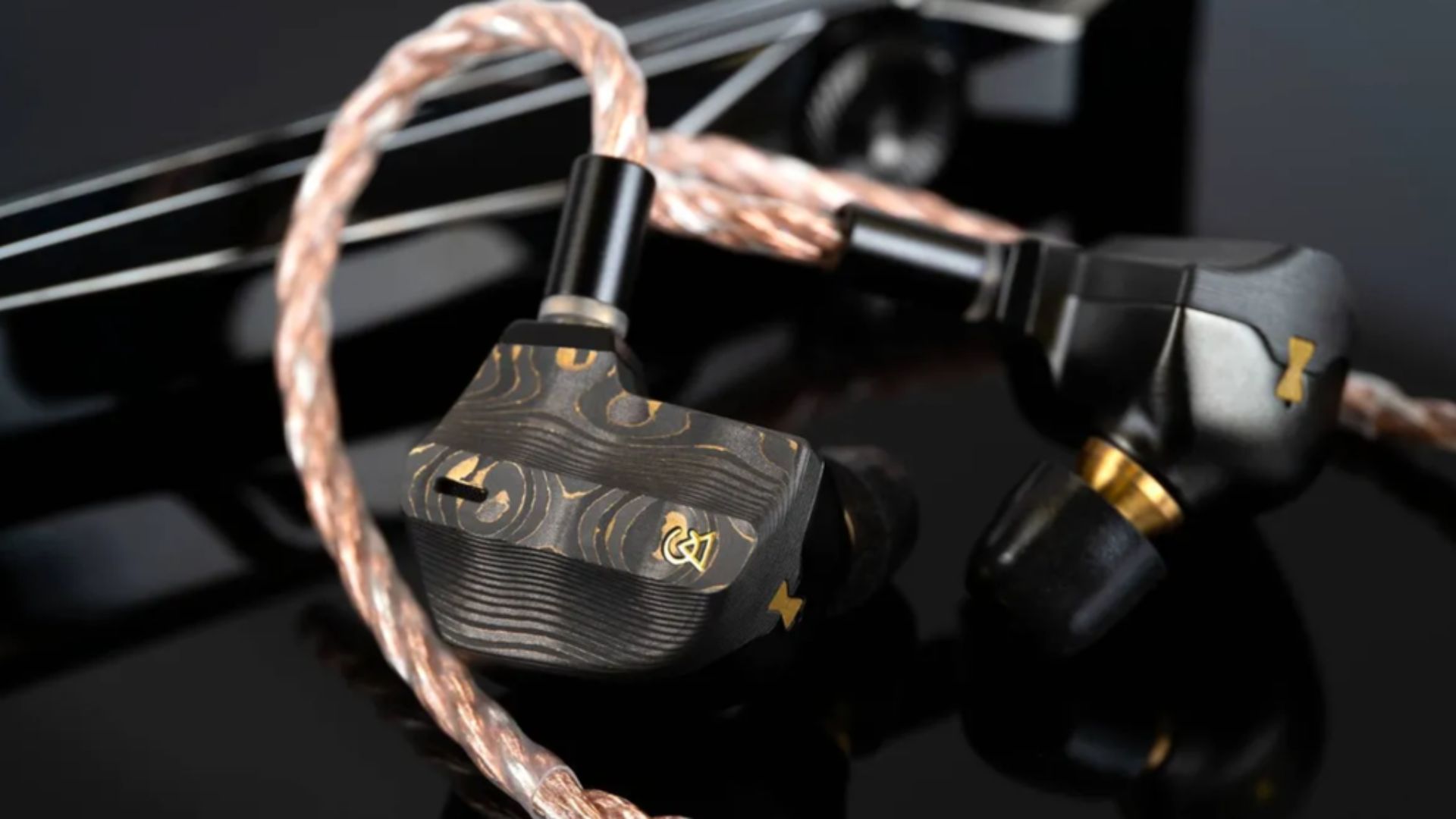

Campfire Audio launches Chimera with 9 drivers, bone conduction subwoofer, carbon fiber, and price close to R$ 37,000.
The premium audio market has just gained one of the most extreme in-ear headphones ever launched. Campfire Audio has introduced the Chimera, a new flagship model from the American brand aimed at audiophiles and audio professionals seeking a level of detail far above that found in popular wireless headphones.
The Chimera stands out because it combines a rare mix of materials and acoustic engineering. Each side of the headphone uses 9 independent drivers, including electrostatic tweeters, balanced drivers, a dynamic driver, and a bone conduction system aimed at physically enhancing bass frequencies. All of this is housed in a structure made of carbon fiber, magnesium, and brass details.
The result is a product that practically creates its own category in portable audio. The problem is the price: the new Campfire Audio Chimera costs US$ 7,500, equivalent to approximately R$ 37,000 in the direct conversion of May 2026.
-
Scientists Convert Food Waste into Aviation Fuel, Successfully Test 50% Blend with Conventional Kerosene to Cut Emissions and Promote Sustainable Flights

-
OnePlus N6 Smartphone to Launch in India with 8,000mAh Battery and 45W SuperVOOC Charging, Lasting Up to Three Days
-
Scientists Plan to Release Air Bubbles Underwater to Protect Antarctica’s “Doomsday Glacier” from Melting

-
Chinese R6000 Drone Combines Airplane and Helicopter Features, Carries Up to 12 People for Multiple Missions




The Campfire Audio Chimera uses 9 drivers on each side to divide different sound frequencies
The sound architecture of the Chimera is the main reason why the model has become a topic among audiophiles. According to information released by Campfire Audio, the headphone uses an extremely complex hybrid set with multiple types of drivers working together.


The system includes a 10 mm dynamic driver for bass, a dual diaphragm balanced driver for mids, two additional balanced armatures for sound clarity, four electrostatic tweeters for high frequencies, and a dedicated bone conduction driver for physical bass enhancement.
In practice, the idea is to divide the sound spectrum among specialized components. This allows each part of the audio to be reproduced by drivers specifically developed for certain frequencies, reducing distortions and increasing sound detail.
The bone conduction system tries to make the user “feel” the bass
One of the most unusual features of the Chimera is precisely the bone conduction driver. This system doesn’t just work by reproducing sound through the traditional auditory canal. Part of the physical vibration is transmitted through the headphone structure to enhance the sense of impact in the bass frequencies.
The technology has appeared in some ultra-premium models in recent years but remains extremely rare in the market.
Campfire Audio’s proposal is to create a more physical and immersive experience, especially in deep sub-bass.
It is precisely this type of engineering that sets the Chimera apart from conventional models like AirPods Pro, Galaxy Buds, or Sony WF-1000XM5.
The headphone uses premium materials like carbon fiber, magnesium, and brass
Besides the sound aspect, the Chimera also strongly bets on premium construction.

Campfire Audio states that the model uses a magnesium casing with PVD coating, as well as faceplates made with carbon fiber and CNC-machined brass.
According to the brand, the manufacturing process itself makes each unit have small visual differences in the finish.
This makes each pair practically unique. The visual aspect reinforces the product’s proposal: a portable audio device treated almost like a luxury handcrafted item.
Electrostatic tweeters are rare even among premium headphones
Another important technical detail is the use of four electrostatic tweeters per side. Electrostatic drivers are known for delivering a very high level of resolution in high frequencies, with a sense of air, micro-details, and sound separation well above average.
The problem is that this type of technology tends to be expensive, complex, and difficult to miniaturize.
Therefore, the presence of four units on each side helps explain the extreme positioning of the Chimera within the high-end audio market. The model was clearly not developed for the average consumer.
Campfire Audio also created a specific premium cable for the model
The package includes a cable called Valence-6, developed by ALO Audio. According to Campfire Audio, the accessory uses four copper conductors and two hybrid copper with silver conductors.
The goal is to reduce interference, improve electrical conduction, and preserve as much of the sound signal as possible. The kit also includes different silicone and foam tips, a carrying case, and cleaning accessories.
In products of this level, practically all components contribute to the extreme audio proposal.
The price places the Chimera in a completely different universe from popular headphones
The price of $7,500 has made the Chimera one of the most expensive in-ear headphones ever released by Campfire Audio.
According to comparisons made by specialized press, the model costs dozens of times more than AirPods Pro and other popular premium wireless headphones.
This is because the target audience is not the average user who listens to music on their phone during the day.
Campfire Audio targets extreme audiophiles, audio engineers, music producers, and consumers willing to pay very high prices for equipment considered a reference in sound fidelity.