Portuguese
  Spanish



The Project Will Be Presented to the Community of Itajaí on July 20 at 7 PM in a Public Hearing to Be Held at the Social Headquarters of the Sociedade Cultural e Assistencial Tiradentes in the Barra do Rio Neighborhood.
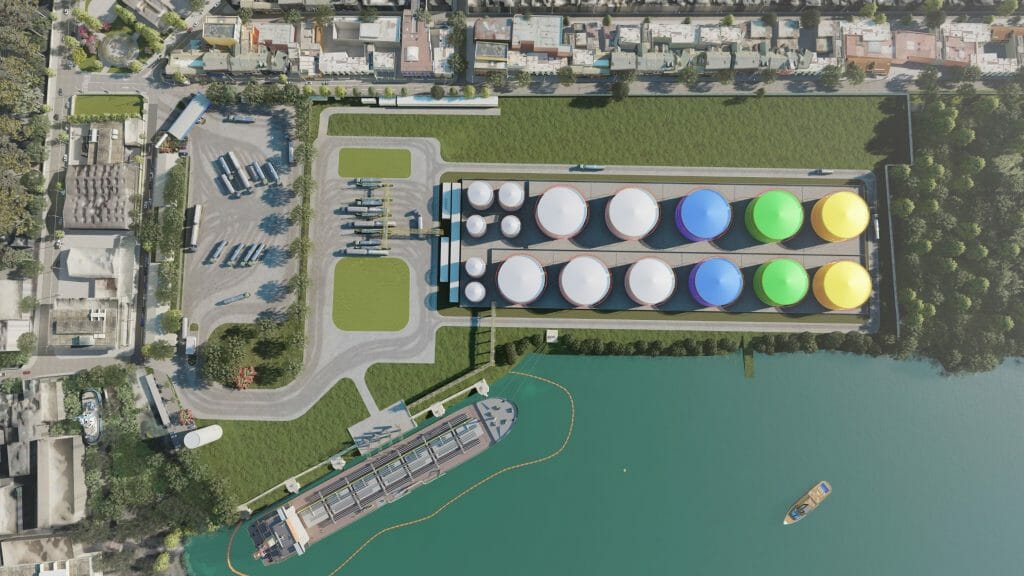
Estaleiro Itajaí will have an investment of more than R$ 300 million for the implementation of the Itajaí Liquid Bulk Terminal (TGLI). It will be the most modern installation in the country, equipped with rigorous automation systems aimed at environmental safety and accident prevention.
The forecast is that when fully operational, the TGLI will provide an additional revenue of more than R$ 300 million per year in the generation of the Tax on Circulation of Goods and Services (ICMS) and at least R$ 5 million per year in the Services Tax (ISS). The construction of the enterprise may take up to 36 months to be completed and is expected to create more than 200 direct jobs, prioritizing the local market.
Once operational, it is estimated that the terminal will generate around 144 direct jobs and more than 500 indirect jobs. The enterprise will enhance the emergence of a new economic segment in Itajaí, restoring the strategic importance of the city in the distribution of fuel for the state of Santa Catarina.
-
Petrobras Secures $2.2 Billion Contract to Build and Operate Four Support Vessels for Brazil’s Offshore Oil Fields

-
Why can the crane operator only obey the correct signalman on the construction site: among dozens of workers, a hand raised by the wrong person can confuse the maneuver and turn a load of tons into an immediate risk.

-
What changes with the new public transportation rules that can reduce pressure on fares and pave the way for zero fare in Brazil?
-
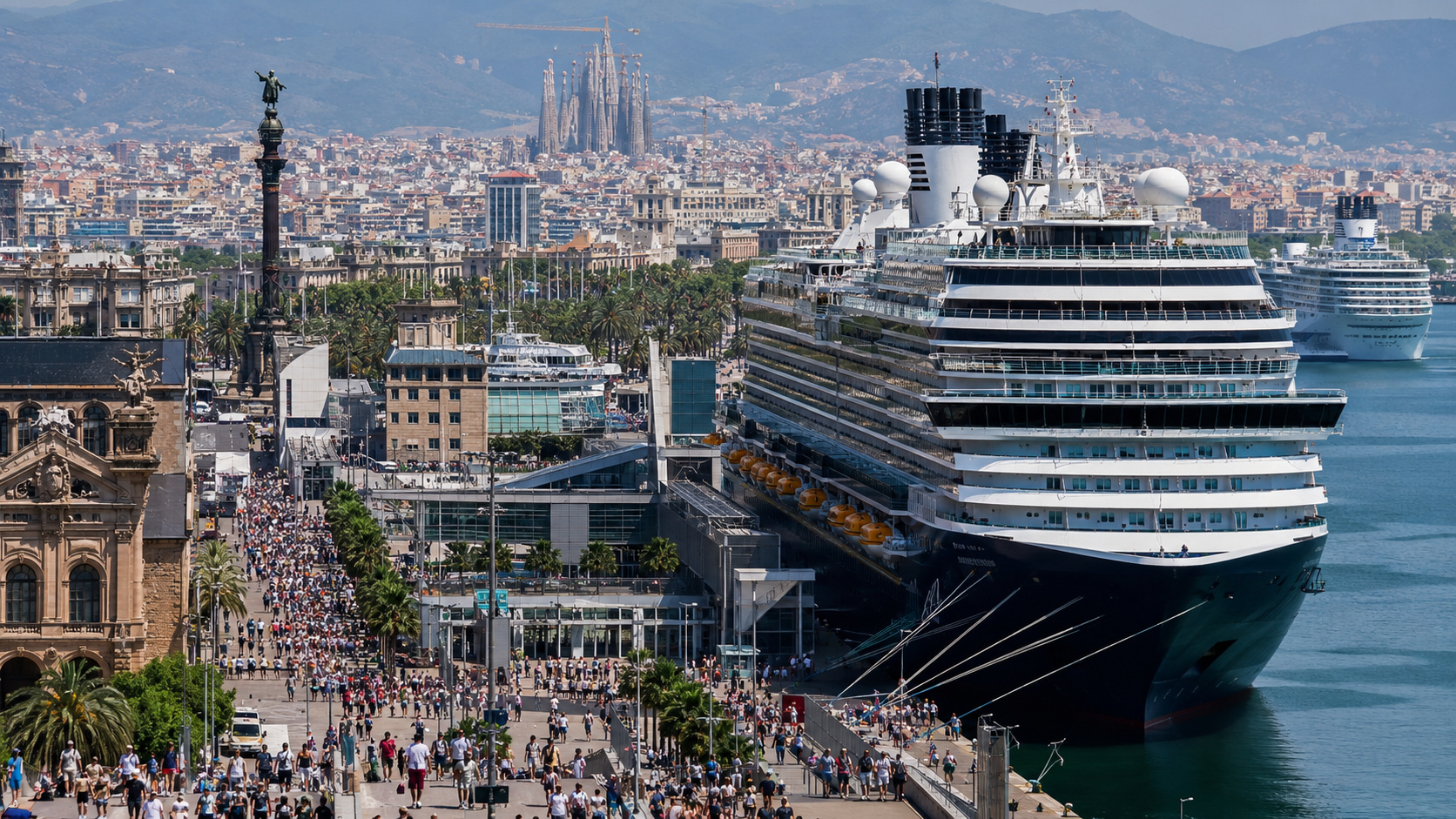
While many ports want to grow, Barcelona has decided to do the opposite and will cut cruise terminals from 7 to 5 after pressure from residents, protests, and crowds.

The Project
The terminal will take advantage of part of the physical structure that already exists at the shipyard. There will be 4 phases of implementation, with plans to construct up to 17 tanks for the storage and distribution of fuels such as gasoline, diesel, biodiesel, anhydrous ethanol, and hydrated ethanol, with a static storage capacity of 117,924 cubic meters.
According to the project, the TGLI will receive ships with the capacity to transport between 60,000 and 100,000 cubic meters of liquid bulk. The terminal will occupy just over 100,000 square meters of its area, about 60% of the total area of the lot. The structure of the berth will be built on piles, consisting of mooring and docking dolphins and an operation platform, without changing the current conditions of the river.
With the TGLI, Santa Catarina will stop relying solely on fuel supplies from Paraná and Rio Grande do Sul. Currently, the fuel used in the state is transported from the refineries of the two neighboring states and partially imported through the Port of Paranaguá, on tanker ships. Itajaí will have another major logistical alternative for its supply.
Safety
The terminal will be equipped with the most modern and rigorous environmental safety systems for port operations and liquid handling, meeting international standards. It will feature a firefighting system, including foam generation, high-performance hydrants, extinguisher batteries, cooling rings on the tanks, and a fire detection and alarm system. In addition, its tanks will have internal seals, which are membranes installed internally in the tanks, allowing for the elimination of gas emissions and product loss, providing greater operational safety.
The TGLI will also have an emergency response team that will be constantly trained and prepared for prevention and emergency response.
The fleet of trucks that will serve the terminal in its first phase is estimated at around 250 trucks/day, with the flow occurring only during business hours (from 8 AM to 5 PM), with scheduled and pre-arranged arrivals at the terminal. The TGLI is expected to operate with all stages of the terminal installed at around 3 million cubic meters of fuel per year.