Portuguese
  Spanish


Joint Offensive by Israel and United States Against Iran Nuclear Facilities in June Opens New Phase of Tension, Strategic Risks, and Diplomatic Uncertainties
The joint attack by Israel and the United States on Iranian nuclear facilities in June was justified for a clear reason. According to Tel Aviv and Washington, Tehran was on the verge of acquiring the capability to build an atomic bomb. This possibility was deemed unacceptable by the two allies, who decided to act militarily.
The offensive targeted facilities in Isfahan, Natanz, and Fordow. For the governments involved, it was a necessary action to delay Iranian advancement.
Raz Nimmt’s assessment, a former Israeli intelligence officer and expert on Iranian politics, reinforces this idea. He estimates that the attacks may have delayed Iran’s nuclear capability by several years.
-
European Parliament Approves Digital Euro, Aiming to Challenge Visa and Mastercard’s Dominance and Transform Payments Across Europe by 2029

-
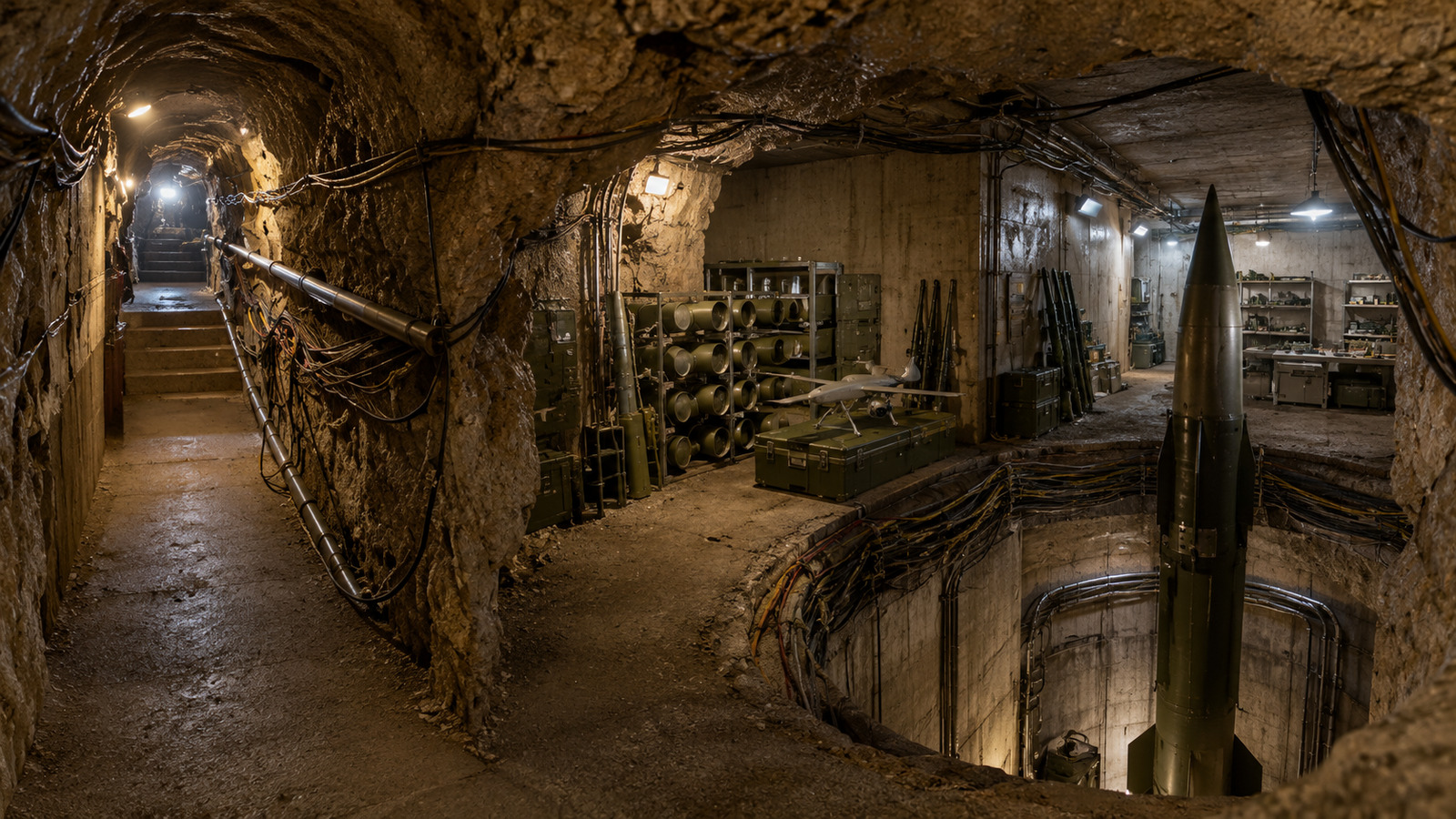
Israel finds Hezbollah militarized tunnel over 200 meters long under village, with 4 missile launch shafts, 12 chambers, anti-tank missiles, drones, and weapons depots at a depth of 25 meters.

-
Ukraine launches largest drone attack on Moscow since 2022, Russia claims to have intercepted nearly 200 aircraft near the capital, Kapotnya refinery targeted again, and offensive reignites alert about war reaching the Russian energy heart just a few kilometers from the Kremlin.

-
Truck drivers, freight, and fines from 2022 take center stage in politics: Chamber approves MP with amnesty, mandatory tracking by CIOT, million-dollar penalties, and new minimum wage for those who spend more than 24 hours on the road.



However, he warns that the collateral effect was an increase in Iranian motivation to acquire the bomb.
The Historical Trauma of Iran
The war between Iran and Iraq in the 1980s left deep marks on the national memory. Iranians refer to this conflict as the “Imposed War.”
Today, according to Nimmt, many already refer to the June offensive as the “Second Imposed War.” This comparison highlights the historical and emotional relevance of the bombings.
For this reason, the idea grows within Iran that only a nuclear weapon could prevent new attacks from Israel and the United States.
Before the war, voices advocated for this path. Now, with the recent episode, these sectors have gained additional arguments. For Nimmt, this is a dangerous scenario for Israel.
Clandestine Paths to the Bomb
One of the central points in Nimmt’s analysis is the possibility of Tehran seeking alternative and secret routes to develop its bomb.
Abandoning targeted facilities and relocating enriched uranium to isolated locations, such as the desert, could be a strategy. Production would then be completed in smaller laboratories, out of reach of inspections.
The attack on Fordow illustrates this concern. The U.S. used B2 stealth bombers to try to destroy advanced centrifuges.
Nimmt believes this mission did not achieve its total objective. Thus, even if Washington declares success, Iranian nuclear infrastructure remains active, albeit limited.
According to him, if Iran decides to advance clandestinely, Israel will still have room to react. Attacking the missile infrastructure, which has not been fully destroyed, could prevent the regime from transforming nuclear material into weapons capable of reaching Israeli territory.
Justification and Israeli Strategy
Nimmt’s position on the decision for war is clear. He does not condemn the Israeli government for initiating the attacks.
For him, there were two fundamental questions: whether there was a legitimate reason for the offensive and whether the outcome brought strategic gains.
On the second question, the expert is emphatic. Israel emerged stronger, as it gained time and opened a window for international negotiations.
His expectation is that the United States and allies will transform military victories into a new agreement that limits Iran’s uranium enrichment capability.
On the first question, Nimmt acknowledges that the details remain uncertain. But he indicates that the motivation may have been the advancement of Iranian scientists in transforming fissile material into bombs capable of hitting Israel.
In this scenario, the perception in Tel Aviv would be that military action was the only way to prevent a point of no return.
The Role of Uranium Enrichment
The difference between civilian and military programs is central to the dispute. Power reactors need uranium enriched to about 5%.
On the other hand, a bomb requires 90%. Before the war, the U.N. Atomic Agency had already warned that Iran was not fulfilling its obligations under the Non-Proliferation Treaty.
Israel, in turn, is not a party to the treaty. International estimates indicate that the country has about 90 nuclear warheads.
However, the Israeli government has never officially acknowledged this arsenal. This asymmetry fuels criticism but also reinforces the logic of regional deterrence.
The Legacy of the Abandoned Agreement
The researcher laments the end of the nuclear agreement signed during Barack Obama’s administration. For him, the 2015 pact was not perfect but served as a means to contain the Iranian program.
When Donald Trump decided to abandon it, he paved the way for Tehran to resume enrichment at higher levels.
The European governments at the time insisted that Iran was fulfilling its obligations. However, the U.S. exit made understanding impossible.
Since then, Washington and Tehran have been unable to create an alternative. The result was the acceleration of the Iranian nuclear program and the increase of tension in the Middle East.
The Uncertain Future
Nimmt concludes his analysis by advocating for two lines of action. On the one hand, Israel must maintain the capacity to use force whenever necessary to prevent decisive advances by Iran. On the other, the pursuit of a new international agreement is still desirable.
According to him, as long as the Iranian regime remains in power, there is no definitive solution. The most realistic path is to ensure that Tehran does not reach the point of completing a bomb.
To achieve this, a combination of military pressure, diplomacy, and constant monitoring will be necessary.
This perspective summarizes the complexity of the current moment. The attacks of June may have slowed Iran, but they also reinforced its determination.
The balance between force and negotiation again becomes the central challenge for Israel, the United States, and the international community.
With information from Folha de São Paulo.