






 Portuguese
  Spanish





New Aeronautics Hub in Rio Grande do Sul Promises to Transform Guaíba into a Reference for Light Aviation, Uniting Industry, Research, and Innovation in a Project That Foresees Luxury Aircraft and the World’s First Ethanol-Powered Twin-Engine Aircraft.
Rio Grande do Sul will receive a new aeronautics hub.
Aeromot has launched in Guaíba the AeroCITI, an industrial and research complex that aims to produce 50 aircraft per year by 2032, start assembly of the Diamond DA62 in 2027, and, in parallel, develop an ethanol-powered transport twin-engine aircraft in partnership with Finep.
The company claims that local manufacturing will reduce the delivery time of the DA62 from approximately 27 to 9 months once the factory is in operation.
-
Plastic Packaging Drives Santa Catarina Industry to 230% Growth, Aiming for R$ 500 Million by 2030 Amid Sector Crisis, with New Gearless Line Expanding in Southern Brazil to Compete in South America

-
Flamengo Star Invests in Brazilian Coastal Luxury Real Estate as Itapema Surpasses Balneário Camboriú in High-End Market Growth
-
Brazil to Issue “Panda Bonds” in China, Aiming to Raise Up to 5 Billion Yuan at Lower Interest Rates Than Dollar Debt
-
NATO Faces Internal Tensions as U.S. Pushes for Increased Defense Spending, Targeting 5% of GDP by 2035, with Warnings for Countries Near 2% Level


Factory Starts with the DA62 and Targets Mercosur
Production in the country will begin with the DA62, a seven-seat twin-engine aircraft that Diamond calls the “ultimate flying machine,” designed for medium-range corporate and family travel.
Aeromot, the exclusive representative of the brand in Brazil since 2016, has already imported over a hundred units and will now turn part of this flow into licensed manufacturing to serve Brazil and Mercosur countries.
According to the company, the assembly line starts in 2027; the first deliveries are expected by 2028.
In a recent interview, CEO Guilherme Cunha stated that Diamond’s current global capacity is limited, and that the strategy is to transfer technology to a South American base.

“Today, Diamond has a limited production capacity. We have worked on a technology transfer strategy to establish a base here in South America to support all these countries,” he stated.
Industrial Complex and R&D Center in Guaíba
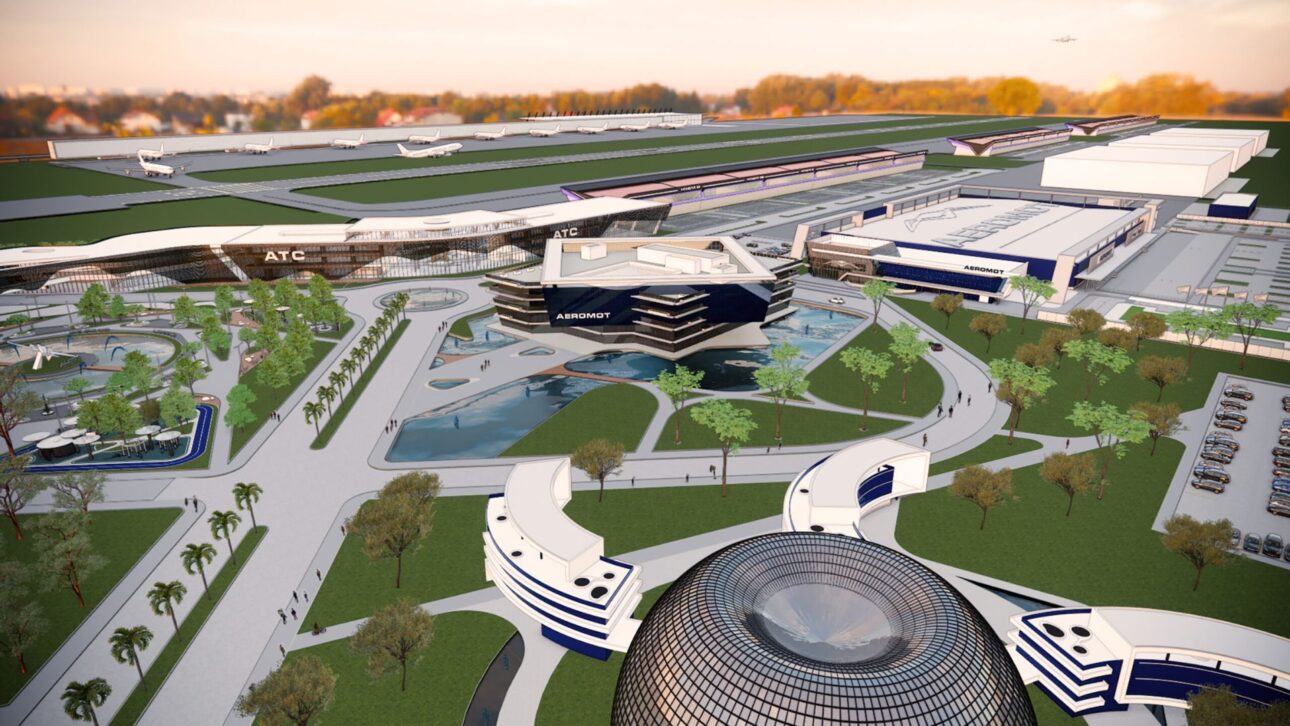
The AeroCITI has been conceived as a sustainable aerotropolis, with a projected runway of 1,800 meters, industrial areas, an innovation center, and logistical facilities.
The implementation will occur in phases, in a total area reported by the government and the company as greater than 500 hectares, with the possibility of operating as an alternative aerodrome in contingency situations at Salgado Filho.
The Legislative Assembly approved the <strong donation, with encumbrances, of public land, and the city hall granted local incentives to enable the enterprise.
In addition to factories and the technology hub, the plan includes an Open-Air Aircraft Museum covering about 24,000 m², walking trails, and leisure spaces integrated into the industrial park.
Aeromot emphasizes that the urban design aims to attract maintenance, training, and logistics companies, expanding the general aviation value chain in the Metropolitan Region of Porto Alegre.
Phased Investment and Jobs
The total estimate of R$ 3 billion combines resources from Aeromot and partner companies, with construction phases and equipment acquisitions until full capacity is achieved.
In public statements, the company and state agencies mention the creation of about 1,500 direct jobs throughout the implementation.
The first stage includes earthworks, basic infrastructure, and installation of initial manufacturing units.
Target Market and Renewal of the Executive Fleet
The target buyers for the DA62 in Brazil are mainly corporate, used for business trips and regional travel.
Aeromot assesses that national production should facilitate local financing, which tends to increase demand in a market that today makes about 90% of sales upfront, according to the company.
This movement occurs in a context of strong demand for executive jets and turboprop aircraft as well as the aging of the Latin American fleet.
Brazil currently ranks as the second largest country in terms of the number of executive jets, behind only the United States, indicating potential for fleet renewal.
Local Content Grows in Stages Until 2032
The industrial plan foresees initial assembly with imported components and a gradual increase in local content until 2032, when the complete production line should be installed.
To accelerate technological integration and workforce training, Aeromot cites partnerships with universities and research centers such as UFMG, UFRGS, PUC-RS, Unicamp (Institute BI0S), and São José dos Campos Technological Park.
The schedule also includes the announcement of a second industrial partnership to be formalized at the groundbreaking ceremony, taking place on October 23.
Ethanol-Powered Twin-Engine Project Aims for Decarbonization
In parallel with the factory, the company is coordinating a project for an ethanol-powered twin-engine transport aircraft, developed with support from Finep.
The declared aim is to launch, in about five years, a certified passenger model that uses ethanol as its primary fuel — a solution already common in agricultural aviation, but unprecedented for passenger transport in this configuration, according to Aeromot.
The initiative aligns with the sector’s decarbonization agenda for the coming decades, which combines biofuels, SAF, and new propulsion architectures.


Diamond: Austrian Origin and Chinese Control
Diamond Aircraft was founded in Austria and has operations in Canada.
Since 2017, it has been under the control of Wanfeng Aviation, linked to the Chinese group Wanfeng Auto Holding.
The DA62 employs Austro AE330 jet fuel engines and Garmin G1000 NXi avionics, a combination that positions the model as a low-consumption alternative within the high-end piston twin segment.
Infrastructure and Regional Operation
According to the project, the AeroCITI will have road and river integration, strengthening the logistics for receiving inputs and distributing aircraft and components.
The planned runway of 1.8 km allows for testing operations and deliveries, as well as regional executive flights.
The idea is that, in contingency situations, the site can support the metropolitan air network.
The company also plans to produce components for other Diamond lines in the Americas, reinforcing the group’s export matrix.
Delivery Deadlines and Portfolio in the Country
Even before local production begins, Aeromot reports over 100 DA62 already sold in Brazil, a number that supports the decision to verticalize operations.
With the partial nationalization of the supply chain, the company hopes to shorten delivery times and increase capacity to serve the region, reducing the global backlog of the model.
With the groundbreaking established and a schedule that combines factory, R&D, and partner attraction, the bet of AeroCITI is to reposition the South as the home of certified light aviation in the country.
In their view, this plan has the potential to scale in Brazil and Mercosur — what would you like to see as the first concrete result: delivery of the national DA62 or inaugural flight of the ethanol twin-engine aircraft?







Great article! I really appreciate the clear insights you shared – it shows true expertise. As someone working in this field, I see the importance of strong web presence every day. That’s exactly what I do at https://webdesignfreelancerhamburg.de/ where I help businesses in Hamburg with modern, conversion-focused web design. Thanks for the valuable content!