Portuguese
  Spanish



Itaipu Solar Photovoltaic Plant in Cascavel: R$ 3 Million Invested in Sustainability and Innovation
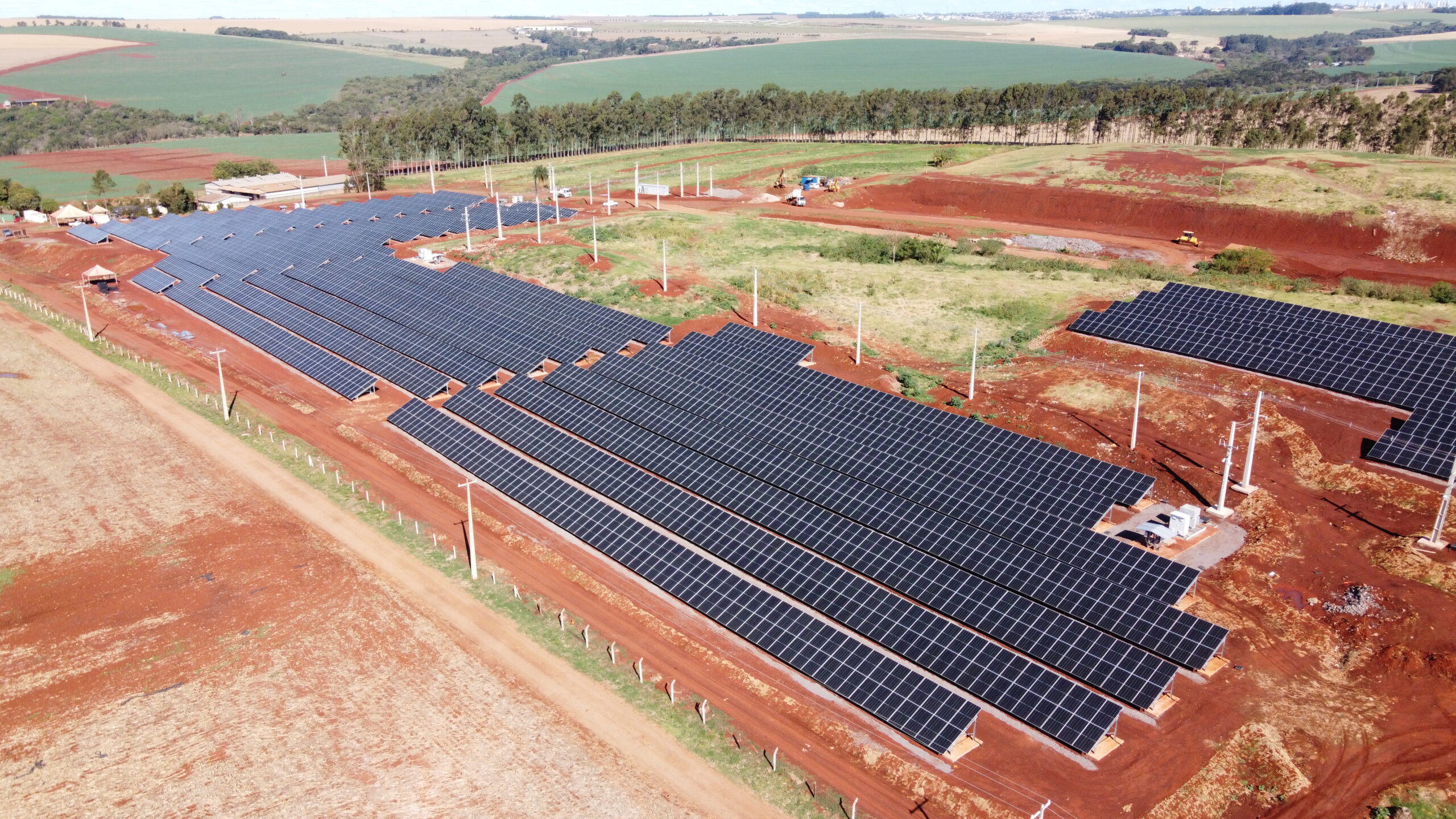
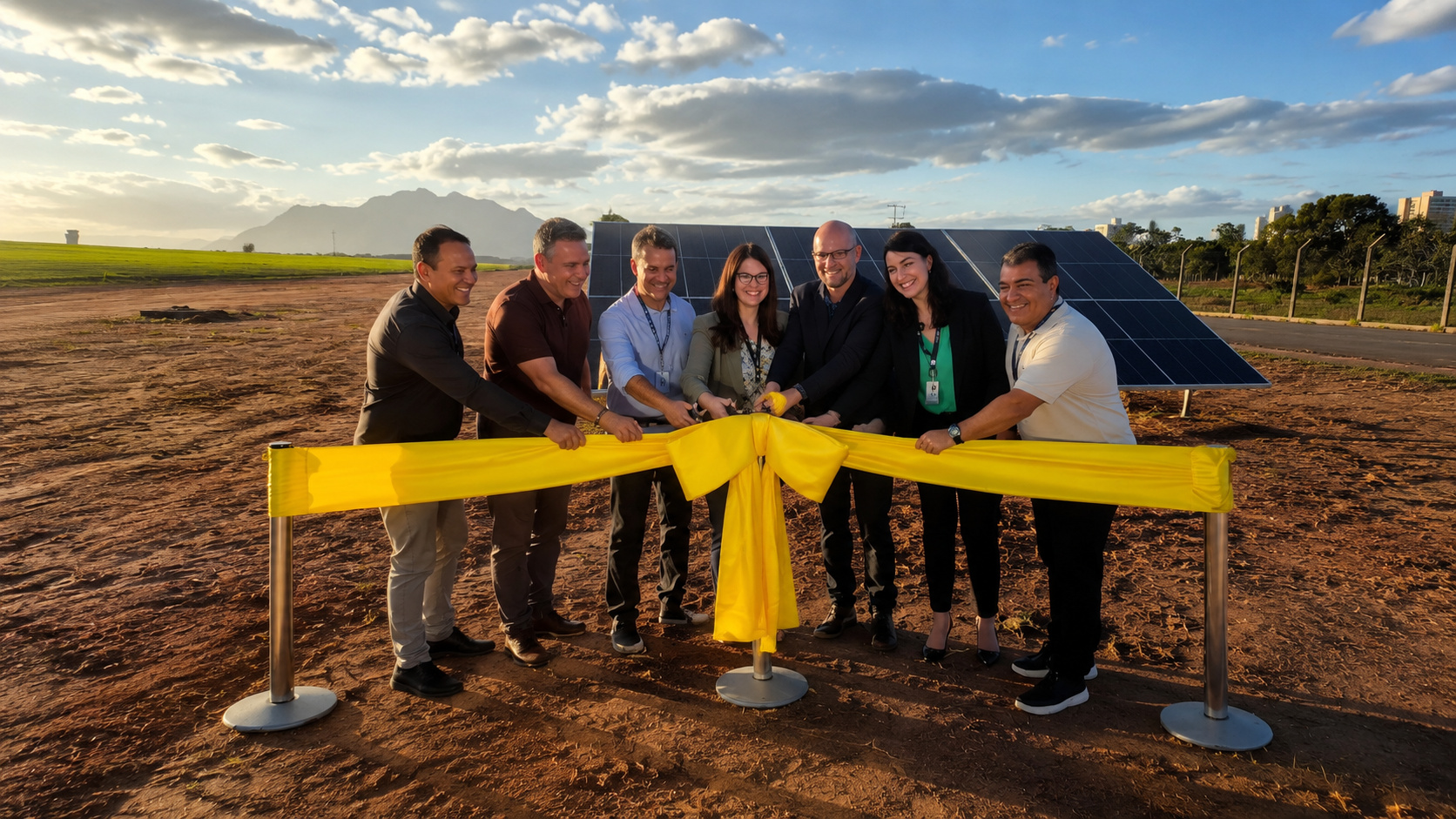
The Itaipu Binacional completed a high-impact project in Cascavel, Paraná, with the construction of a solar photovoltaic plant of 2.5 MW. With an investment of R$ 3 million, the plant utilizes degraded areas, such as the former landfill, to generate clean energy and help transform the city into a model of sustainability. Thus, the initiative demonstrates how it is possible to restore spaces and generate renewable energy at the same time.
Direct Benefits for the Cascavel Community
The plant offers direct benefits to the city. First, the generated energy powers a fleet of 16 electric buses, promoting a cleaner and more efficient public transport. In addition, the excess energy will be used to offset costs of electricity in public buildings, helping to reduce expenses. Thus, the city benefits not only environmentally but also financially, creating a model of economic sustainability.
Economic Impact: R$ 12 Million and Strategic Partnerships
The project is the result of a strategic partnership between Itaipu, the Cascavel City Hall, and the Regional Development Bank of the South (BRDE), with a total investment of R$ 12 million. Itaipu contributed R$ 3 million, while the City Hall and BRDE together provided R$ 9 million. This public-private collaboration not only accelerates the adoption of renewable energies, but also creates new opportunities for local development, showing how investment in green technologies can generate economic results.
-
Brazil’s Vitória Airport to Launch Solar Plant Covering Area of 10 Soccer Fields, Boosting Clean Energy and Cutting Costs

-
Switzerland Converts Train Tracks into Solar Power Plants with Removable Panels to Generate Energy Without Using Additional Land
-
Surge in Solar-Powered Homes in Brazil Leads to Grid Strain and Connection Restrictions in Three States

-
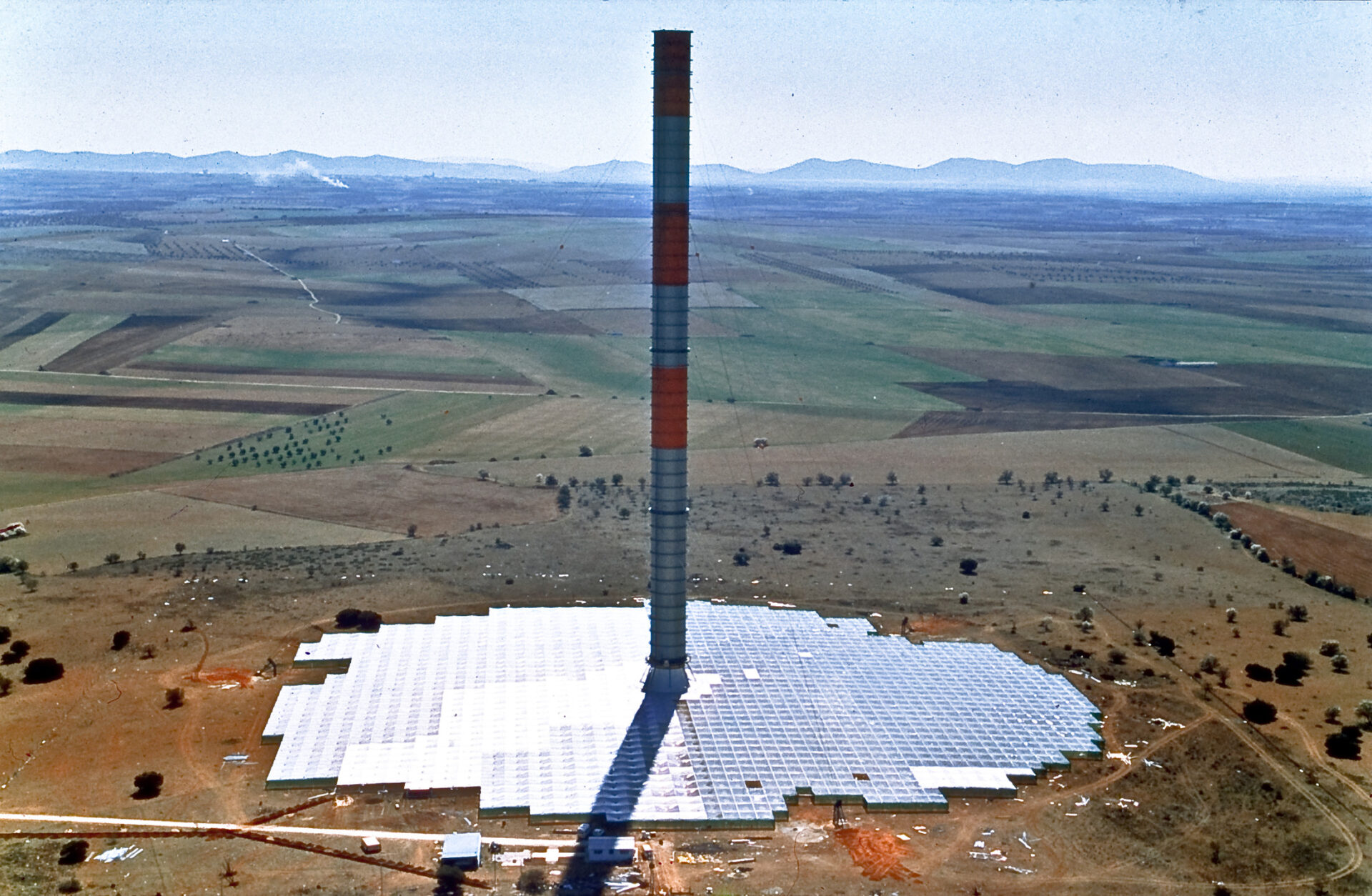
Solar Chimney in Spain Harnessed Sun to Generate Electricity for 7 Years Without Burning Fuel


Alignment with the UN SDGs: Clean and Accessible Energy
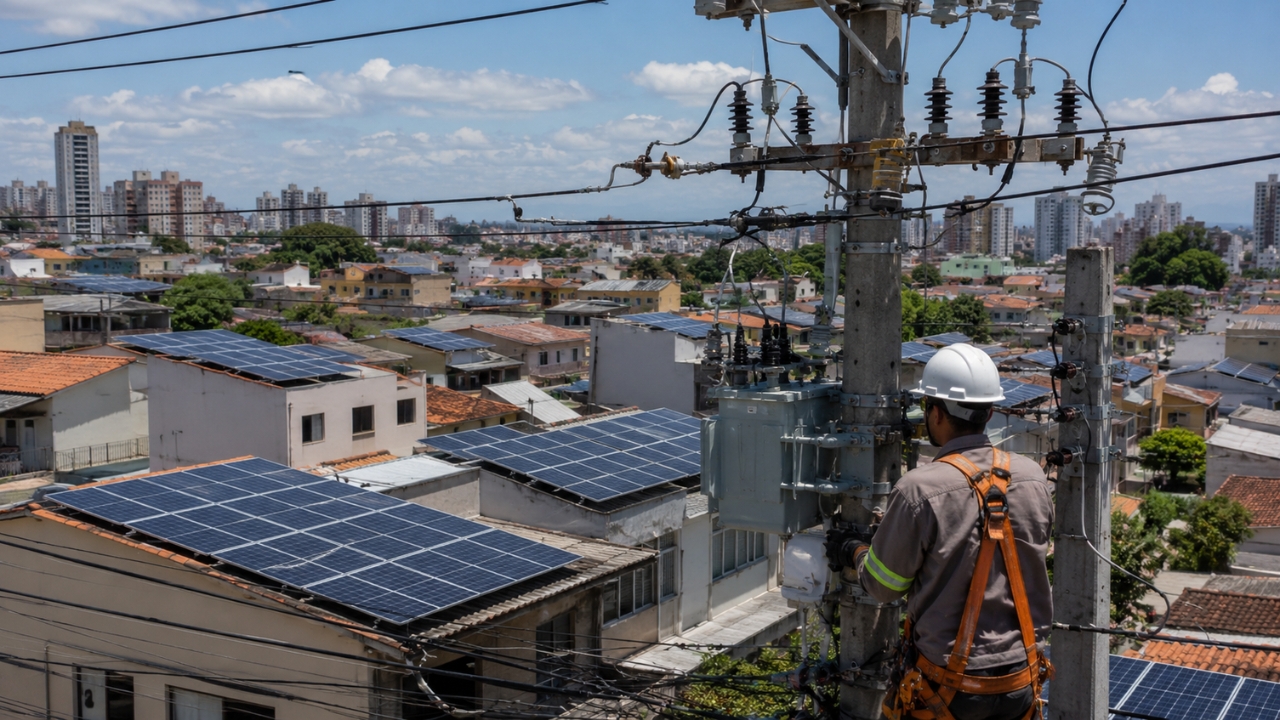
Itaipu’s action in Cascavel is aligned with the UN Sustainable Development Goal (SDG) 7, which aims to ensure clean and accessible energy for all by 2030. Thus, the solar plant not only contributes to the use of renewable energies, but also helps in the reduction of carbon emissions, assisting in the creation of a sustainable future. In this way, Itaipu’s initiative becomes an example of how large companies can contribute to global sustainability solutions.
The Future of Cascavel: Expansion and Innovation
The success of the solar plant represents only the beginning of a more sustainable future for Cascavel. The use of degraded areas for the installation of photovoltaic systems creates a model that can be replicated in other cities. In addition, with the expansion of the electric bus fleet, Cascavel positions itself as a vanguard in Brazil, adopting sustainable solutions that promote clean mobility and energy efficiency. Thus, the project sets the city on the path to a greener future.
The inauguration of Itaipu’s photovoltaic plant in Cascavel marks an important advancement in solar energy in Brazil. The plant not only meets the local demand for clean energy but also contributes to the reduction of costs with electricity, offering a sustainability model for other cities.