Portuguese
  Spanish


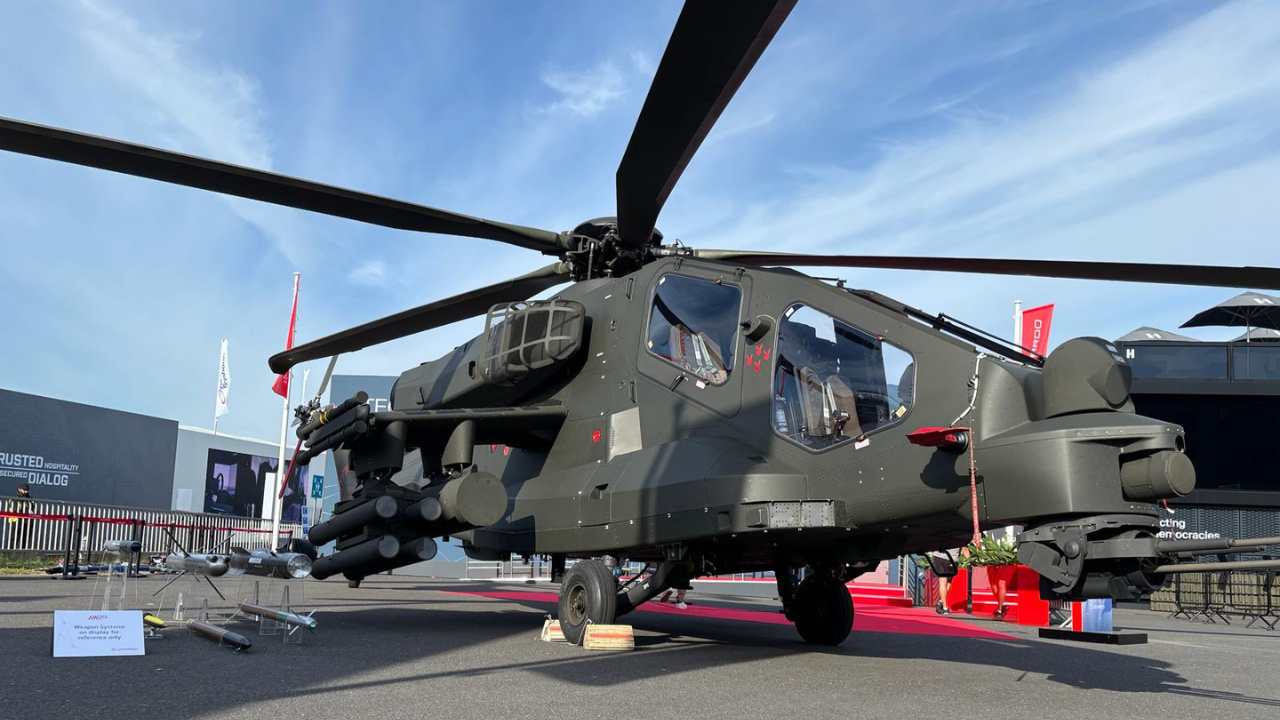
Developed by Leonardo, the new AW249 helicopter brings artificial intelligence, digital cockpit, and high connectivity to redefine warfare tactics.
A joint initiative between the manufacturer Leonardo, the Italian Army, and the National Armaments Directorate, the first flight demonstrations of the AW249/AH-249A “Fenice” were conducted. The manufacturer Leonardo took advantage of the ILA Berlin 2026, held in Germany, to demonstrate the capabilities of the AW249 helicopter.
The event aimed to present to international delegations and government authorities a piece of equipment designed from scratch to ensure tactical leadership in the most complex modern warfare scenarios.
The aircraft emerges to fill a market gap with exclusive features, serving as a direct response to the continent’s operational demands for the next 30 years.
-
Brazil’s 72-meter submarines patrol 4.5 million km² of the South Atlantic, as the country builds its first nuclear-powered submarine capable of staying submerged for months.

-
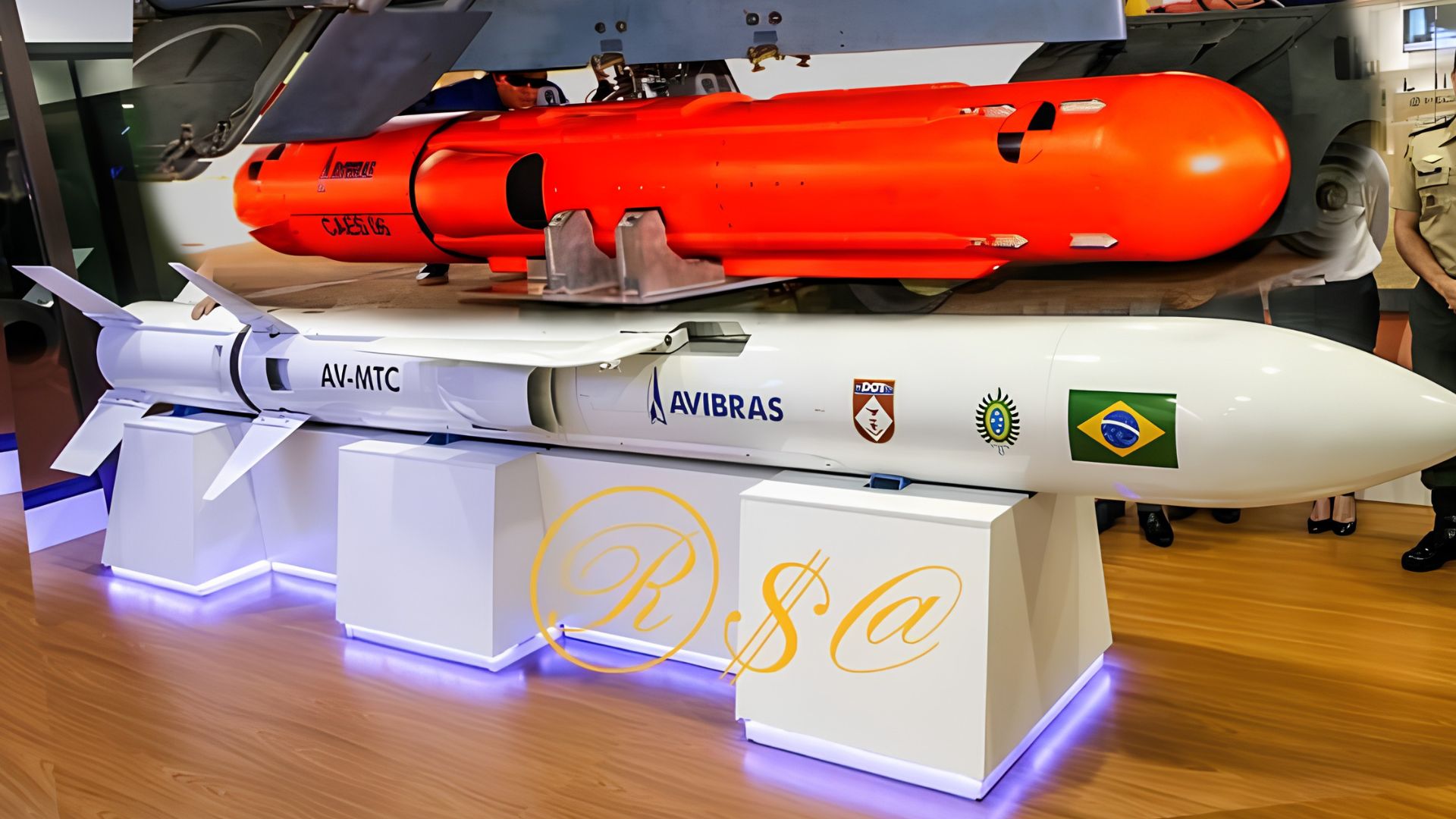
Brazil’s AV-TM 300 Tactical Cruise Missile, Known as “Matador,” Offers a Cost-Effective Alternative to the American Tomahawk with a 200 kg Warhead and 300 km Range.

-
New Brazilian Frigate Equipped with Advanced Missiles and Radars to Safeguard Strategic Maritime Areas
-
New Brazilian Frigate Equipped with Advanced Missiles and Radars to Protect Strategic Maritime Areas, Including the Blue Amazon and Pre-Salt Reserves


Get to know the AW249 helicopter
Unlike veteran models developed in past historical contexts — such as the Agusta A129 Mangusta and the Eurocopter Tiger — the new platform was conceived under the “clean sheet” concept.
This means that all its engineering was designed for the contemporary digital environment. Currently, the Italian Ministry of Defense has already endorsed the acquisition of 29 units of the Fenice model, moving a contract of € 1.22 billion that includes logistics support, training, and updates.
The manufacturer’s supply schedules indicate that deliveries will be intensified starting next year, extending until 2032.
Commercial flexibility is another pillar of the project. With a fully open systems architecture, the aerial vehicle facilitates the incorporation of continuous software and hardware improvements, which enhances its export potential.
According to the developer company’s plans, the commercial focus is aimed at meeting demands in Central Europe, Asia, and the Middle East, strengthening mutual cooperation with partner countries of the North Atlantic Treaty Organization (NATO).
The strategic role of the helicopter in integrated missions
The model’s great operational asset lies in its ability to act as a true force multiplier in actions that require the integration of multiple combat domains.
Equipped with autonomy and range superior to direct competitors, the aircraft can work in partnership with other aircraft to enhance field effectiveness.
The agility of the structure allows for extremely low-altitude tactical flights, ensuring high situational awareness.
The model’s versatility allows it to perform various functions, operating as a centralized communication and intelligence hub. Below are its main field assignments:
- Air and ground escort of tactical convoys;
- Air interdiction and blocking of enemy routes;
- Close air support to ground troops;
- Reconnaissance and data distribution through the C4/ISTAR infrastructure.
Cutting-edge technology and cyber protection systems
Automation and Artificial Intelligence features have been integrated into the cockpit to alleviate the physical and mental strain on crew members, speeding up critical decision-making in real-time.
The helicopter is 17.6 meters long, with a maximum takeoff weight of 8.3 tons, powered by two powerful engines, and reaches a maximum speed of 287 km/h.
To protect its occupants, the design includes armored seats, puncture-resistant fuel tanks, and a fuselage designed to mitigate the impact of crashes.
Additionally, high-precision multispectral sensors continuously map the terrain, feeding onboard computers to automatically plot tactical navigation paths.
The avionics system features an Automatic Target Recognition (ATR) that cross-references local data with information from external networks, operating under a low-latency data mesh protected by cyber encryption against external interference.
Combat and management capabilities of the helicopter
The aerial vehicle’s firepower is configured to neutralize various threats on the contemporary battlefield.
The Battle Management System (BMS) centralizes weapon control in organized layers.
In the offensive part, the operator has a 20 mm Gatling rotary cannon with three barrels in the front section, specific missiles for air and ground targets, as well as 70 mm rockets in guided and conventional options.
Finally, the equipment advances in technological cooperation by managing remotely launched systems, the so-called Air-Launched Effectors (ALE), which include unmanned aerial vehicles and autonomous armaments.
This interaction reaches Level of Interoperability 4 (LOI 4), which gives pilots the ability to guide and receive full bidirectional transmissions from these drones during the mission.
With information from Sociedade Militar