





 Portuguese
  English
  Spanish
  4 min of reading
  0 comments


Technical and Scientific Reports on Crewed Missions to Mars Indicate Four Central Obstacles Still Unresolved, Including Interplanetary Travel of Six to Ten Months, Prolonged Exposure to Space Radiation, Logistical Limitations in Food Supply, and Physiological Impacts of Microgravity on the Human Body
Human missions to Mars continue to be conditioned by four central challenges still unresolved by science and space engineering: the long travel timeline, the safe supply of food, intense exposure to radiation, and the prolonged effects of microgravity, factors that together render a crewed landing on the red planet a distant goal.
Institutional Advances and the Strategy for Return to the Moon
Space exploration continues to advance through international cooperation and new crewed flight programs. Established partnerships between major space agencies have resulted in initiatives that prioritize the return of humans to the Moon as an intermediate step before a Mars mission.
This movement is considered strategic because it allows for testing technologies, life support systems, and long-duration operations outside of low Earth orbit. Establishing a more regular human presence on the Moon paves the way for permanent structures and the accumulation of operational experience.
-
China surrounds the country’s largest desert with a gigantic green belt of 3,046 km, transforming the “sea of death” into an “ecological scarf” and uses vegetation, straw, and solar energy to hold back the sand, protect oases, save cities, and create billion-dollar income for families in the desert.

-
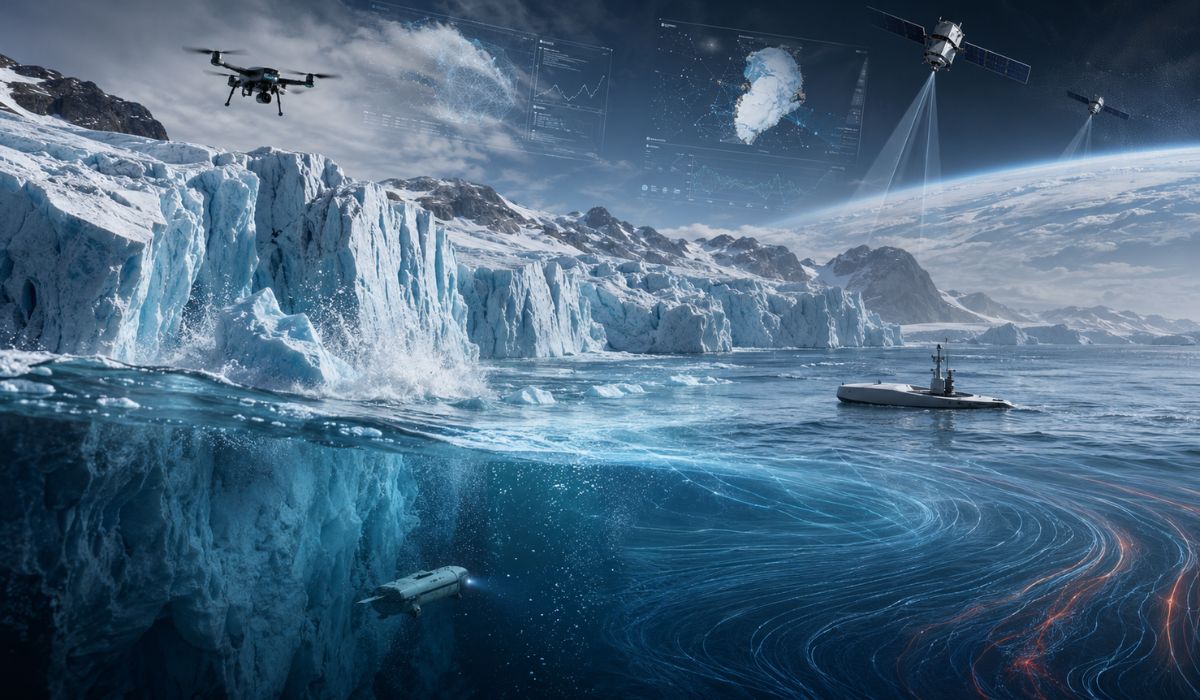
The “freshwater lid” that worries scientists: Greenland melts, could weaken Atlantic currents and is already being monitored by robots, satellites, and artificial intelligence before altering the climate in the coming decades.
-
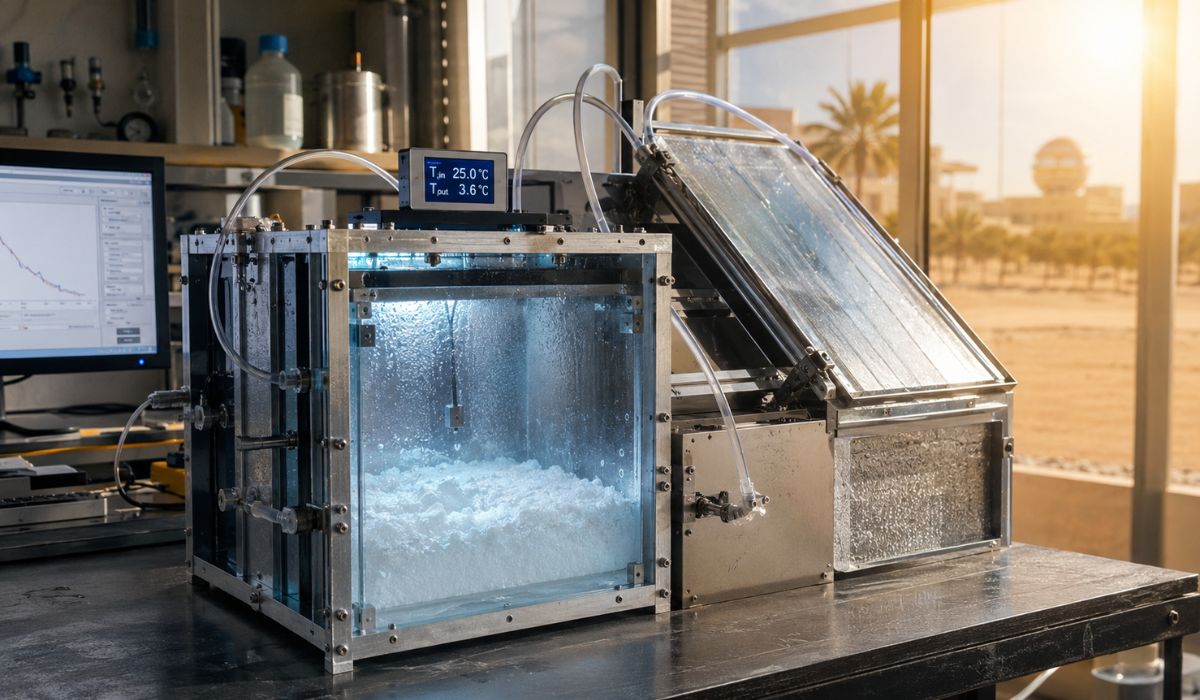
Scientists in Saudi Arabia create an “electricity-free refrigerator” that uses a chemical reaction to lower the temperature from 25°C to 3.6°C in 20 minutes and then uses the sun itself to restart the system without a compressor, outlet, or generator.
-
MIT study creates method to search for dark matter in gravitational waves and finds possible evidence in black hole signal



The adopted logic is progressive: consolidate lunar operations to, in the future, reduce risks associated with an interplanetary mission. Nevertheless, experts point out that this progress does not eliminate the main bottlenecks involved in a trip to Mars.
The Problem of Timeline and Mission Duration
Among all the challenges, the time required to reach Mars is considered one of the most critical. With traditional propulsion technologies, estimates indicate that the journey from Earth to the red planet can take between six and nine months.
This period extends even further when considering the need for a stay on Mars before the return journey. As a result, a complete mission could last several years, exponentially increasing the logistical and biological risks involved.
Technical data confirm this complexity. Mars is about 50% farther from the Sun than Earth, which directly influences launch windows and travel times. Previous robotic missions took between seven and a half months to ten months to reach the planet.
The longer the travel time, the greater the challenges related to supply, exposure to radiation, and the effects of microgravity. Therefore, the timeline is treated as a factor that amplifies all other mission problems.
Limitations in Food Supply
The supply of food on a long-duration mission represents another significant barrier. A journey that could last months requires precise planning of quantity, preservation, nutritional quality, and food safety.
Even in shorter space missions, experts have already identified difficulties related to palatability, the stability of food over time, and the maintenance of a balanced diet. In a flight to Mars, these limitations become even more critical.
In addition to the necessary volume, the reliability of storage and distribution systems must also be considered, as any failure directly compromises the crew’s survival. Therefore, food logistics is not just a matter of supply but also redundancy and safety.
Despite the evolution of space food over the decades, prolonged interplanetary travel still imposes demands that have not been fully resolved, making supply a vulnerable point of the mission.
Radiation as a Permanent Risk
Radiation is another determining factor that limits a crewed mission to Mars. Unlike Earth, interplanetary space and the Martian surface offer little to no natural protection against energetic particles and cosmic radiation.
Prolonged exposure to this radioactive environment is associated with known risks to human health, similar to those observed on Earth, but potentially exacerbated by the intensity and duration of contact.
Space radiation experts warn that travel beyond low Earth orbit presents significantly higher risk levels. During the journey and while on Mars, astronauts would be subjected to accumulated doses difficult to mitigate with current technologies.
Although Mars offers relevant scientific opportunities, radiation remains one of the greatest obstacles to safe crewed missions, requiring solutions that are still under development.
Physiological Effects of Microgravity
Microgravity represents the fourth major challenge of a human mission to Mars. During the journey and even on the planet, where gravity is lower than on Earth, the human body undergoes significant physiological changes.
These effects are already well documented in space missions. Among the main issues are loss of bone mass, atrophy of antigravity muscles, and alterations in the balance of body fluids.
Studies have also identified decreases in plasma volume and cardiovascular deconditioning, which can lead to orthostatic intolerance. These impacts compromise astronauts’ functional capacity during and after long periods in reduced-gravity environments.
In a mission involving months of travel and prolonged stay, these effects tend to accumulate, representing additional risks to the crew’s health and performance.
Technological Perspectives to Reduce Obstacles
In light of these challenges, recent efforts have focused on reducing travel time to Mars. The logic is that shorter journeys would simultaneously mitigate supply, radiation, and microgravity problems.
The development of more modern engines and advanced propulsion technologies is identified as one of the current main focuses. Among the discussed objectives is reducing travel time from about six months to approximately six weeks.
Although these advances are considered promising, they still do not eliminate all barriers. Solving the four major structural challenges remains an essential condition before crewed missions can indeed become a reality on the red planet.







-

-

4 people reacted to this.