Portuguese
  Spanish


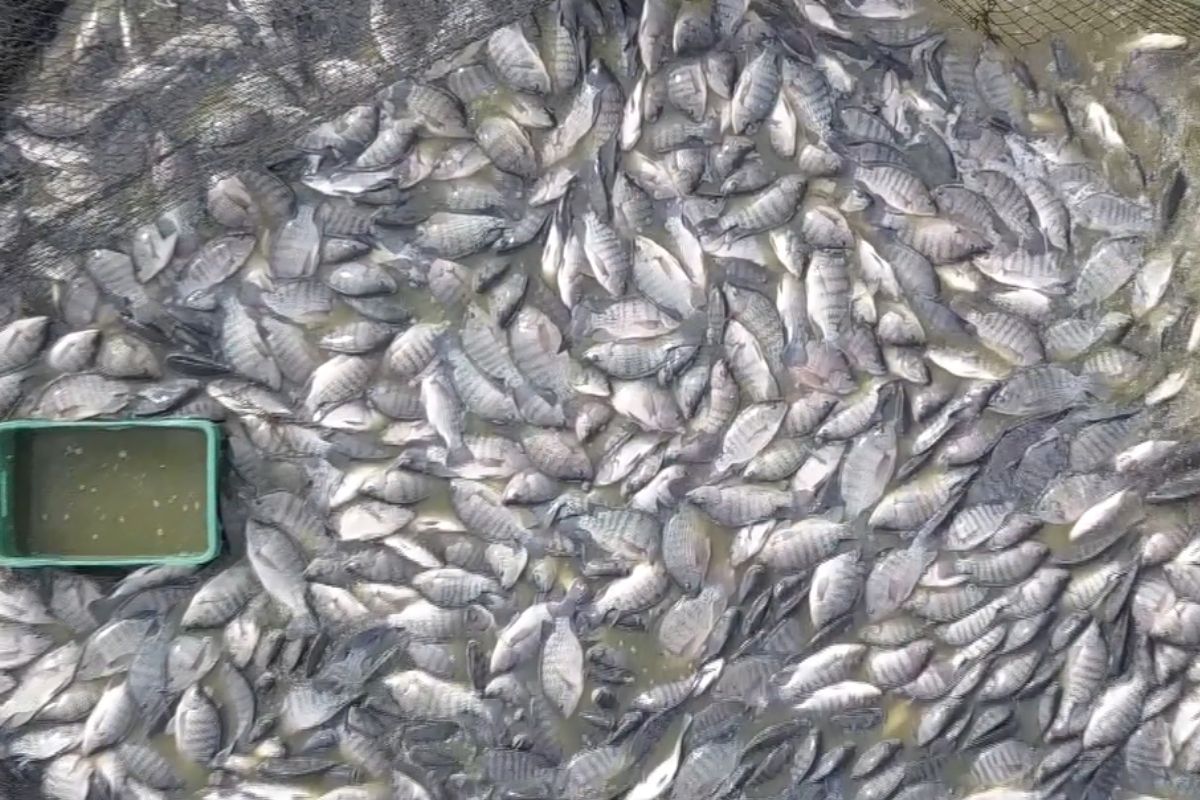


Judicial Decision Confirms Ban on Vietnamese Tilapia in Santa Catarina Due to TiLV Virus Risk, Preserves Local Production Chain, Allows Limited Exception for Loads Purchased Before the Veto, and Imposes Rigorous Sanitary Control to Avoid Immediate Losses to Commerce
The court decided to maintain the ban on the entry of tilapia from Vietnam in Santa Catarina, recognizing the sanitary risk associated with a virus capable of causing mass mortality in fish stocks and compromising the entire state production chain. This measure reinforces the protection of the state’s aquaculture, one of the most significant in the country.
At the same time, the ruling opened a specific exception to allow controlled entry of loads already acquired before the prohibition, aiming to avoid immediate economic losses for importers. This release does not authorize the automatic commercialization of the fish and imposes strict sanitary criteria.
Court Validates the Veto and Reinforces Sanitary Protection

The court confirmed the legality of the state restriction on imported tilapia from Vietnam, understanding that the public power acted within its competence by prioritizing sanitary safety.
-
Brazilian Farmers with Basic Education Create Backyard Machines That Win National Invention Contest, Beating 242 Projects

-
Brazilian Farm Innovates with Cage-Free Chickens, Producing 3,300 Odorless Eggs Daily

-
From Selling Unsold Saplings to Creating Brazil’s Most Awarded Olive Oil Brand with 330 Accolades and a $12 Million Goal by 2026
-
China Builds 400-Hectare Irrigation System in Tanzania to Aid 1,000 Families Dependent on Rainfall


The central rationale is the risk of introducing the TiLV virus, an agent associated with outbreaks featuring extreme mortality rates in aquaculture, capable of rapidly decimating entire fish populations.
The ruling acknowledges that in a highly integrated sector like aquaculture, the entry of an exotic pathogen represents a systemic threat.
A single outbreak could spread through nurseries, rivers, and interlinked production systems, generating lasting and hard-to-contain impacts.
The TiLV Virus and the Danger to Fish Stocks
The TiLV is identified as one of the main risks associated with imported tilapia.
In contaminated environments, the virus causes behavioral changes, loss of coordination, lesions, and high lethality. In critical situations, mortality can reach levels capable of rendering entire properties unviable in a short period.
Another decisive factor is that conventional freezing does not guarantee the complete inactivation of the agent, which increases concerns about handling, disposal, and indirect contact with local production systems. This scenario sustains the caution adopted by the state in maintaining the ban.
Controlled Exception Prevents Immediate Losses
Although it maintained the prohibition, the court authorized a specific exception for loads of tilapia from Vietnam acquired before the issuance of the state regulation.
The release occurs under strict conditions, requiring documentary proof, official inspection, controlled storage, and laboratory reports attesting to the absence of the virus.
Even with the authorized entry, the ruling makes it clear that there is no automatic release for commercialization.
Any circulation depends on state sanitary evaluation, which preserves the central objective of the measure and avoids loopholes that put the production system at risk.
Local Production Chain at Risk
The maintenance of the ban considers the economic and social weight of tilapia in Santa Catarina.
The state ranks among the largest national producers and has built, over the years, a differentiated sanitary status, supported by research, technical assistance, and strict control.
Annual production generates hundreds of millions of reais and secures income for thousands of families directly linked to aquaculture.
A sanitary outbreak would compromise not only producers but the entire associated network, including processing, transport, commerce, and indirect jobs.
Negotiation Attempts and Firm Position of the State
Even in the face of negotiation attempts by Vietnam, the state government chose to maintain the restriction.
The understanding is that the short-term benefits of importation do not offset the structural risks to locally produced tilapia.
The judicial decision reinforces this stance by recognizing that protecting animal health, the environment, and the regional economy justifies tougher preventive measures, even if temporarily restrictive to international trade.
Economic and Sanitary Impacts Balanced by the Decision
By combining sanitary veto with controlled exception, the court sought a balance between protecting Santa Catarina tilapia and mitigating immediate financial losses.
The strategy avoids abrupt market disruptions while maintaining sanitary control.
The central message is clear: the priority remains the integrity of the state production chain. Any flexibility occurs under strict scrutiny and does not change the understanding that prevention is the main defense against risks capable of compromising years of investment and development in the sector.
In your opinion, does the ban on Vietnamese tilapia protect local producers or could it increase fish prices for consumers in Santa Catarina?