






 Portuguese
  Spanish


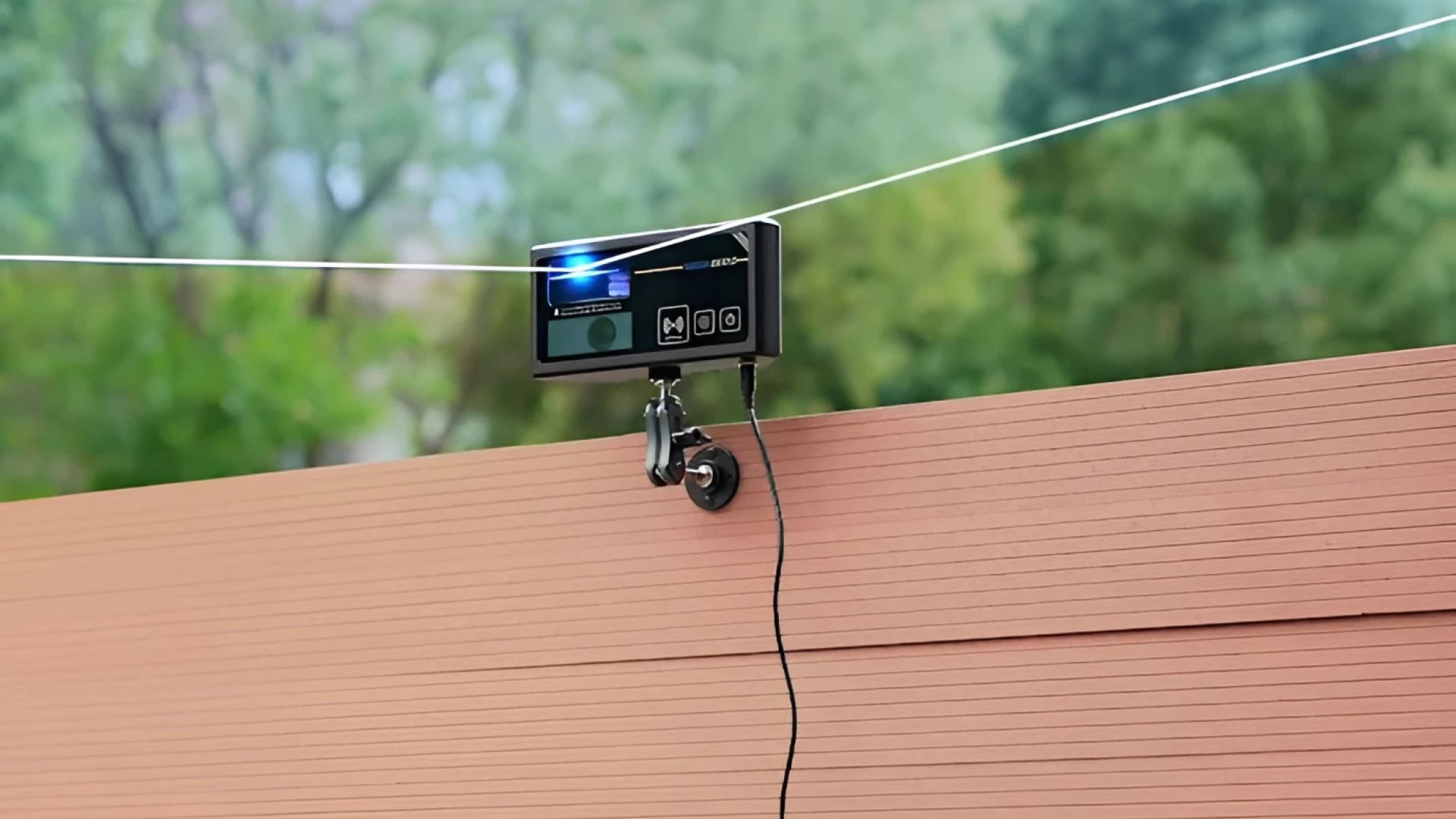


A portable device created in China is catching attention for working like a true “anti-aircraft cannon” against mosquitoes. Called Photon Matrix, the device uses laser technology to identify, track, and eliminate flying insects with high precision in indoor and outdoor environments. It is currently in a crowdfunding campaign on the Indiegogo site.
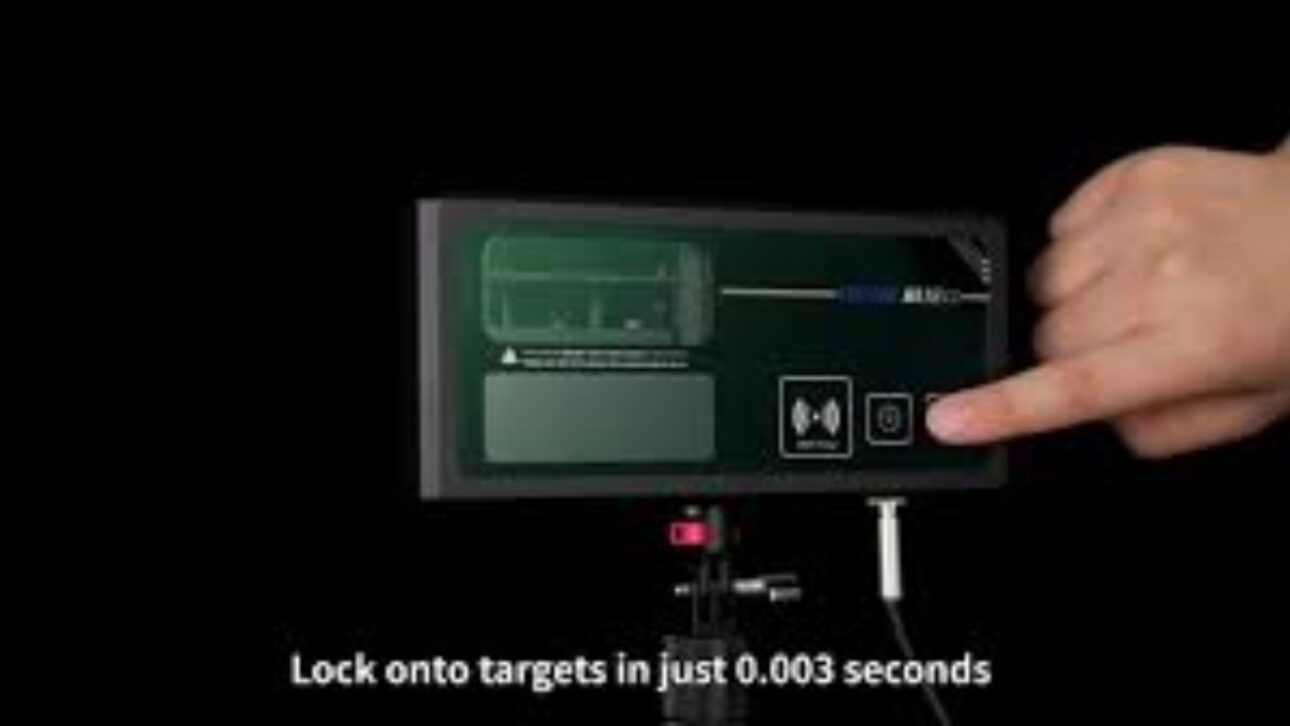
According to the manufacturer, the Photon Matrix is capable of detecting the size, position, and orientation of a mosquito in just 3 milliseconds. This is made possible by the use of a LiDAR system (light detection and ranging), technology similar to that employed in autonomous cars and remote sensing equipment.
Once the mosquito is identified, a second laser, guided by a galvanometer, is activated to neutralize the target. The equipment has additional millimeter-wave radar sensors to identify humans and pets, preventing the beam from hitting larger objects.
Precision Technology at the Service of Pest Control
The basic model of the Photon Matrix covers a range of 3 meters at a 90-degree angle, while the Pro version extends the range to 6 meters. Both models, according to the developers, can eliminate up to 30 mosquitoes per second, even in completely dark environments, such as bedrooms at night.
-
Young Innovator Develops Low-Cost Synthetic Skin Using Buriti Oil to Aid Burn Victims, Gains International Recognition in the U.S.

-
Robot Developed to Navigate Sewers and Prevent Blockages and Flooding in Brazil

-
17-Year-Old Brazilian Develops AI to Aid Students with ADHD and Dyslexia, Capturing Google’s Attention with Flexia
-
Internet Cables Installed Under Cities Detect Over 100 Water Leaks in Three Months, Cover 650 Kilometers, and Help Save 2 Million Liters Daily


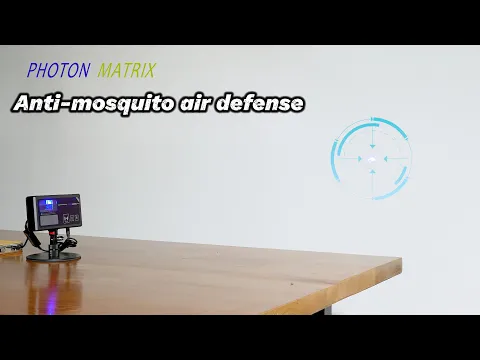

With an IP68 water resistance certification, the device can be used in outdoor areas even under adverse conditions. It can be powered by plug or by a rechargeable portable battery, which ensures 8 to 16 hours of continuous operation, depending on the chosen version.
However, the sensors cannot detect insects flying at more than 1 meter per second, such as houseflies, which limits the device’s effectiveness against other pests. Still, its primary focus remains on disease-carrying mosquitoes, such as dengue, zika, and malaria.
Versions, Prices, and Project History
The Photon Matrix is available for pre-sale at prices ranging from US$ 468 (basic model) to US$ 629 (Pro version), with estimated final prices of US$ 697 and US$ 897, respectively. The device is still in functional prototype phase and has not yet entered mass production.
The idea of a laser system to combat mosquitoes is not new. The concept was initially suggested in 2007 by Lowell Wood, a physicist involved in the U.S. “Star Wars” project. Prototypes were made by companies like Intellectual Ventures, but so far no safe commercial version has been released.
The information was disclosed by New Atlas, which highlights that the current project is led by a single developer, Jim Wong, from Changzhou, with no formal company behind the campaign. This is his first registered project on Indiegogo, which requires caution from supporters.





Adoraria ter um produto desse na minha casa espero que conclua logo o projeto e coloque a venda