






 Portuguese
  Spanish
 3 min of reading


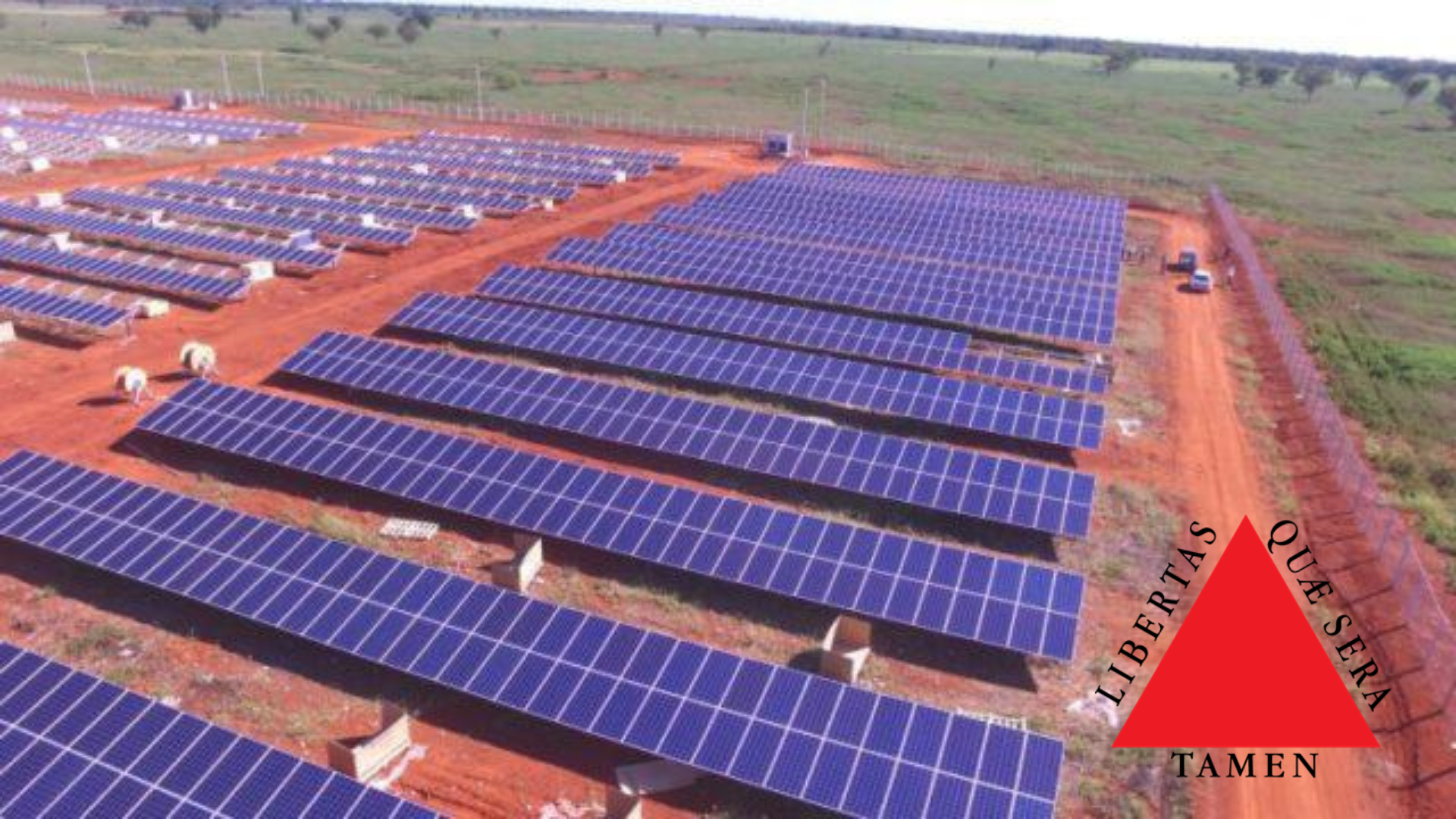
Absolar Data Shows That The State Of Minas Gerais Has Surpassed The Mark Of 900 MW Of Solar Power In Distributed Generation
According to a survey published by the Brazilian Association of Solar and Photovoltaic Energy – Absolar, the state of Minas Gerais has 938.1 megawatts installed of solar power in distributed generation. The state has 80,160 systems operating in 841 cities, serving approximately 110,520 consumers. With this mark, Minas Gerais leads the ranking of states with distributed solar energy in Brazil. Transparent solar panels can increase the lifespan of photovoltaic panels.
Minas Gerais Becomes A Leader In Distributed Solar Energy Generation
The city of Uberlândia, located in the Minas Triangle, is one of the highlights of the survey, ranking first in distributed solar energy generation in the state, operating 53.5 MW and accounting for 1.1% of the national total production of the model.
Only the territory of the state of Minas Gerais accounts for 18.1% of solar energy in distributed generation in Brazil, with 81,684 operational connections spread across 841 cities, accounting for approximately 98.6% of the 853 cities in the state. There are about 112,545 solar energy consumers who have reduced their electricity bills and have greater autonomy and energy security.
-
Brazilian scientists are simultaneously advancing two research projects on clean hydrogen and driving solutions that could transform the energy matrix, enhance industrial competitiveness, and accelerate large-scale emission reduction targets.

-
Advancement in renewable energy: A R$ 150 million project launched by Petrobras and Finep aims to create state-of-the-art electrolyzers for green hydrogen, strengthening national research and preparing Brazil to compete in a billion-dollar energy market.
-
Illiterate or semi-literate grandmothers were trained to repair solar systems, open rural workshops, and light up homes that still depended on kerosene.
-
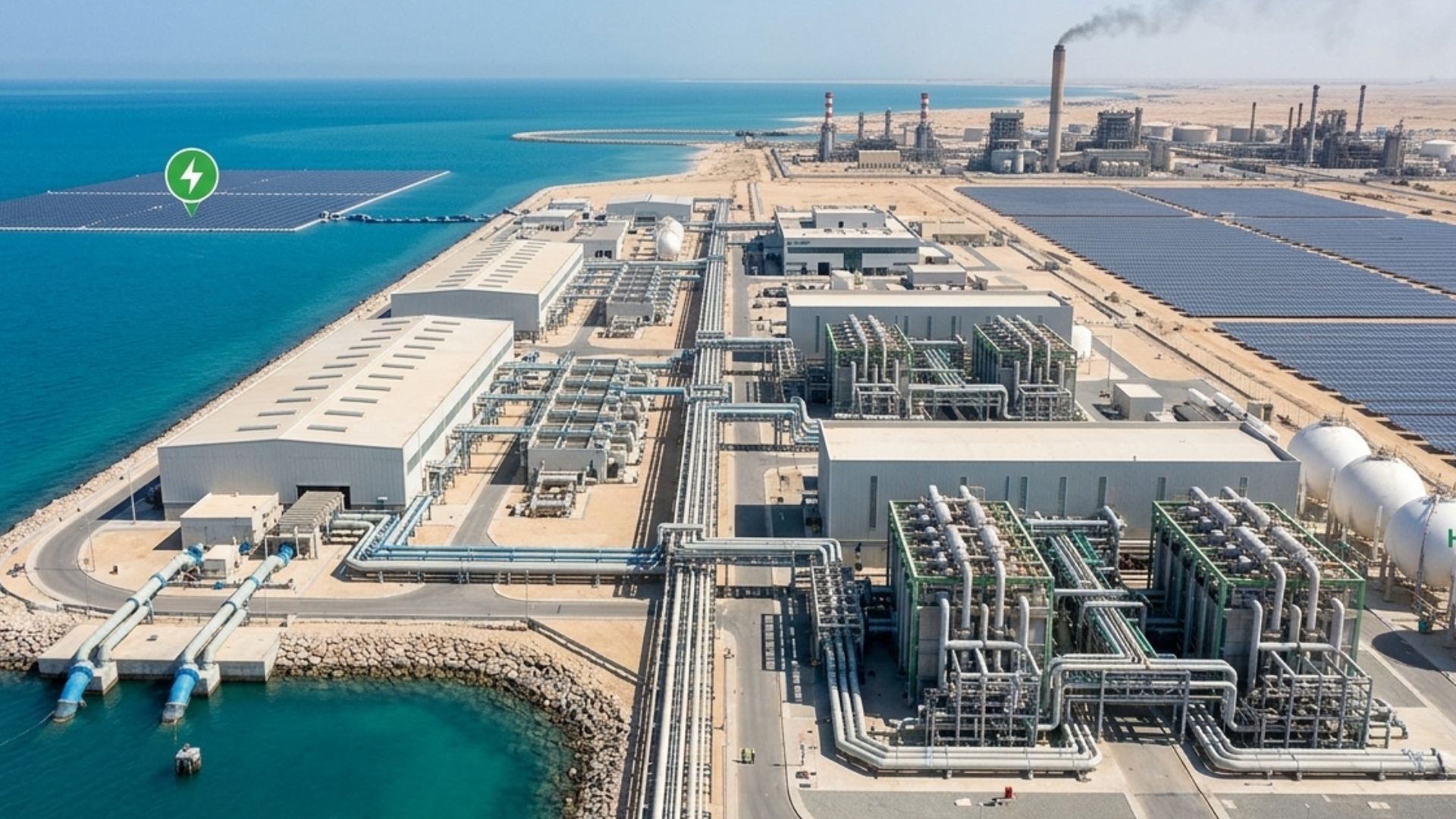
The world has bet on green hydrogen as the fuel of the future, but now faces the side effect: producing 1 kilogram requires about 9 liters of ultrapure water, and the largest projects on the planet are precisely in the driest regions of the Earth, where water is already scarce for people.




Bruno Catta Preta, national coordinator of ABSOLAR in Minas Gerais, said that the state of Minas Gerais is now an important hub for solar energy development in distributed generation. Bruno also stated that the technology of using solar energy brings sustainable development to the residents of Minas Gerais, having great potential for economic and social development, as well as creating job and income opportunities, attracting private investment, and cooperating in the fight against climate change.
Creation of A Legal Framework for Distributed Solar Energy Generation
According to Absolar, establishing a legal framework for distributed energy generation in Brazil is the best way to avoid the risk of a return of solar and other renewable resources to distributed energy generation on roofs, external walls, and small lots in the country. Currently, the National Assembly is discussing a bill to debate the legal framework, and the project is introduced by federal deputy Lafayette de Andrada.
Therefore, the support of an organized society and local businesses is essential for the establishment of a transparent, fair legal framework that recognizes the benefits of solar energy in distributed energy generation in the country.
The president of Absolar says that solar energy will increasingly play an important role in the strategic approach to achieving socioeconomic and sustainable development goals in all Brazilian states. According to him, photovoltaic technology is vital for economic recovery after the pandemic, as well as being a renewable resource that can generate more jobs on the planet.
The State of Espírito Santo Also Stands Out, With A Significant Mark in Distributed Generation
ABsolar also highlighted that in addition to the state of Minas Gerais, Espírito Santo has achieved remarkable results in the photovoltaic energy sector in distributed generation, with over 6,600 operational connections found in all 78 municipalities of the state. The entity added that today there are about 7,612 electricity consumers in the state of Espírito Santo.
The operational power of industrial, residential, rural properties, shops, and public buildings in the state of Espírito Santo is 88.7 MW, which ranks among the twenty Brazilian states with the highest installed power in distributed generation model. In the national ranking of ABSOLAR, where Minas Gerais is at the top, distributed photovoltaic energy from the state of Espírito Santo occupies the 18th position. The state alone accounts for 1.8% of the entire national distributed solar park.






Be the first to react!