Portuguese
  Spanish


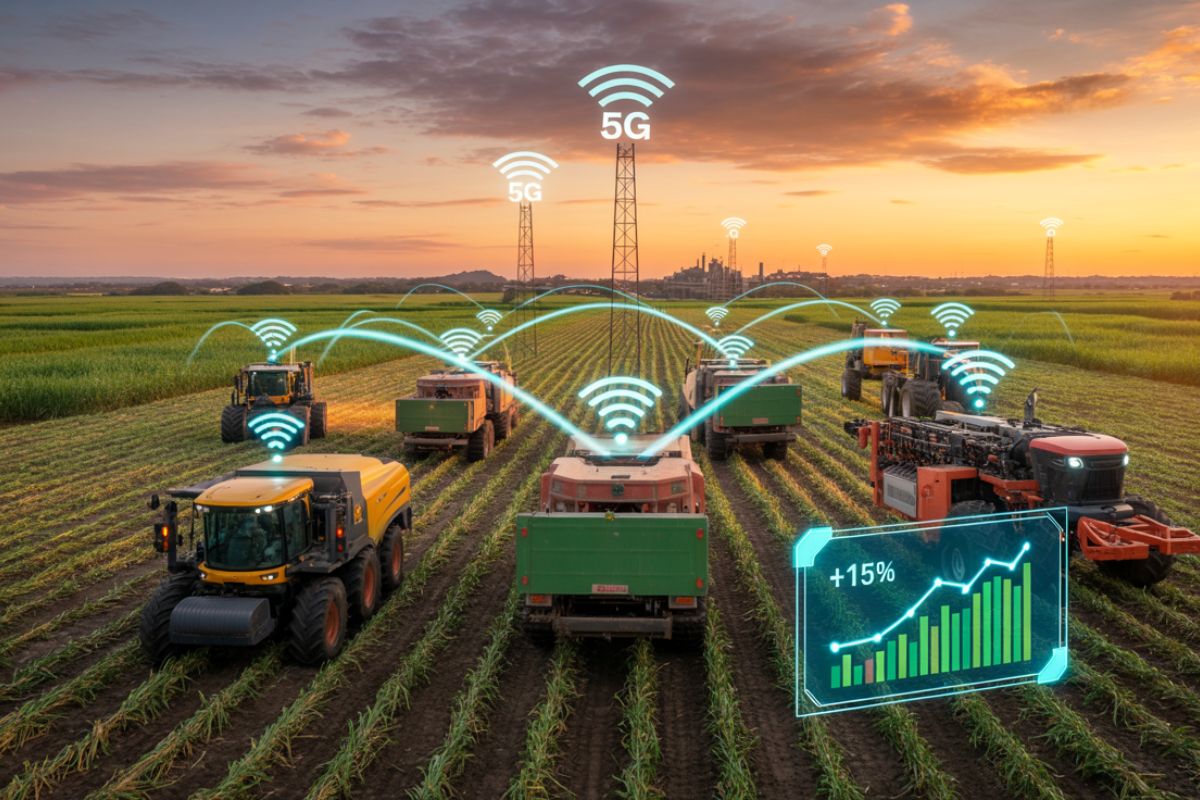


With an Investment of R$ 200 Million, the Leader in Sugar and Ethanol in Brazil, Jalles Machado, Connects 3,000 Machines Across 110,000 Hectares, Increasing Productivity by 15% and Redefining Agriculture 4.0.
Jalles Machado, one of the giants in the bioenergy sector and leader in sugar and ethanol in Brazil, has just solidified its position at the forefront of agricultural innovation. In July 2025, the company announced the full implementation of its Agriculture 4.0 system, integrating a robust 4G network and artificial intelligence to manage 110,000 hectares of sugarcane fields in Goiás and Minas Gerais.
The project, developed over seven years in partnership with technology giants such as TIM and Microsoft, represents one of the largest and most advanced precision agriculture ecosystems in the world. With more than 3,000 equipment connected in real time, Jalles is not only optimizing its production but also creating a more sustainable and efficient business model, proving why it is a leader in sugar and ethanol in Brazil.
The Farm of the Future Is Now
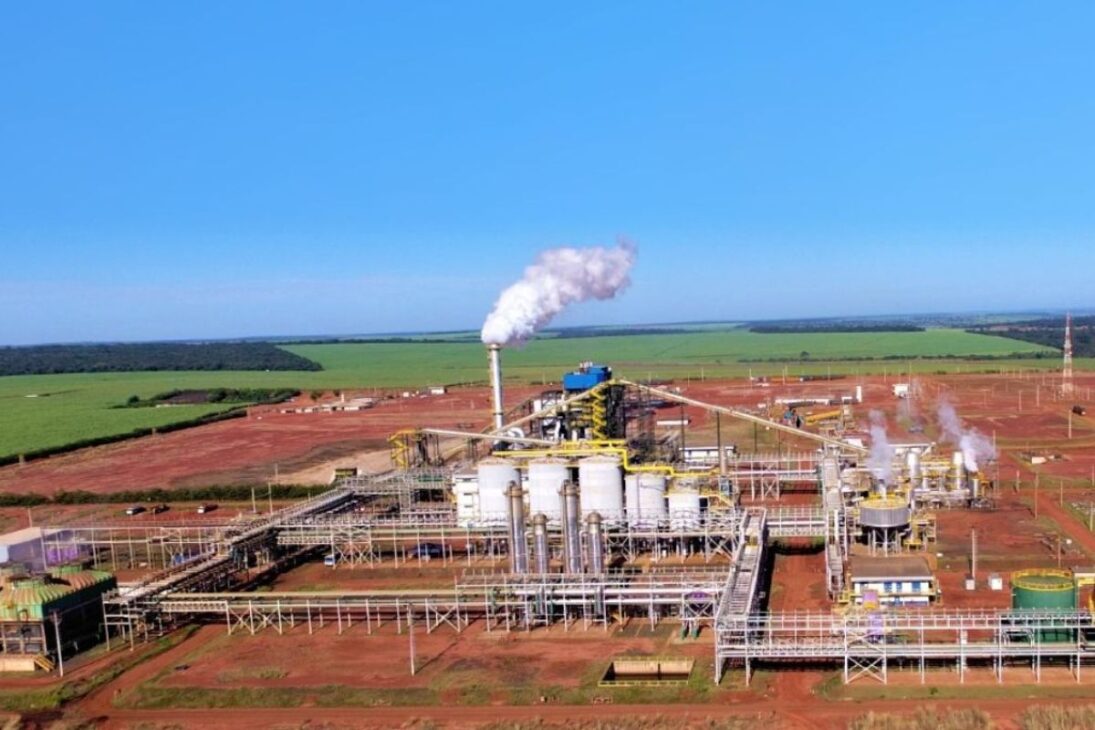
The heart of the project is an unprecedented connectivity infrastructure in the field. There are 4G towers that ensure instant communication between tractors, harvesters, drones, and sensors scattered throughout the vast production area. In practice, this allows for:
-
From Market Stall to Agribusiness: Patagonian Fruit Grower Owns 550 Hectares and Processes 18 Million Kilos of Pears and Apples Annually, Exporting Directly to Brazil

-
At 93, Brazilian Farmer Restores 56 Hectares of Forest and Revives Spring in the Amazon, Installs First Climate Tower in the Region
-
Brazilian Cheesemaker Wins European Award for Ant-Infused Cheese with Nutty Flavor Inspired by Indigenous Tradition

-
Brazilian Family’s Cheese, Started with One Cow in 1984, Named Best in the World, Beating 2,700 Competitors from 30 Countries


- Autonomous Operations: The low latency of 4G is essential for the safe operation of autonomous machines, which perform planting and harvesting with millimeter precision.
- Real-Time Monitoring: Agricultural managers can track the performance of each machine, fuel consumption, and input application from anywhere through a control center.
- AI-Driven Decision Making: Artificial intelligence algorithms analyze collected data to predict pest outbreaks, identify optimal windows for harvesting, and optimize resource usage.
Strategic Partnerships for Innovation
The construction of this smart farm was made possible thanks to a network of strategic partnerships. The main one is with TIM Brazil, a collaboration that began in 2018 with the pioneering project “4G TIM in the Field.” Jalles was the operator’s first customer in this initiative, which has now evolved into 4G.
Microsoft contributes the power of cloud computing (Azure) and its artificial intelligence tools, which process the massive volume of data generated in the field. The ecosystem is completed with agrotech startups, such as Solinftec and Agrointeli, which develop software and IoT (Internet of Things) solutions.
Concrete Results: Productivity and Sustainability
The investment of R$ 200 million is already yielding impressive returns. Jalles Machado reported a 15% increase in productivity, allowing for the processing of up to 9 million tons of sugarcane per harvest.
But the gain is not just financial. The application of fertilizers and pesticides, guided by AI, resulted in a 25% reduction in chemical usage. This not only reduces production costs but also lessens environmental impact, aligning the company with best ESG practices and reinforcing its position as one of the largest exporters of organic sugar in the world.
The project also has a strong social impact: the connectivity brought to the field benefits about 80,000 people in rural communities that previously had no access to quality internet.
The Future of Brazilian Agribusiness
Jalles Machado’s initiative is a practical example of what Agriculture 4.0 can do for Brazil. Studies from Embrapa indicate that 4G connectivity can increase sector efficiency by up to 30%. By proving the viability of this technology on a large scale, the leader in sugar and ethanol in Brazil is not only securing its future but also showing the way for the entire national agribusiness to become more productive, sustainable, and competitive in the global arena.
And you, what do you think about the use of 4G and AI in the field? Do you believe that this is the key to the future of Brazilian agribusiness? Share your thoughts in the comments!