Portuguese
  Spanish


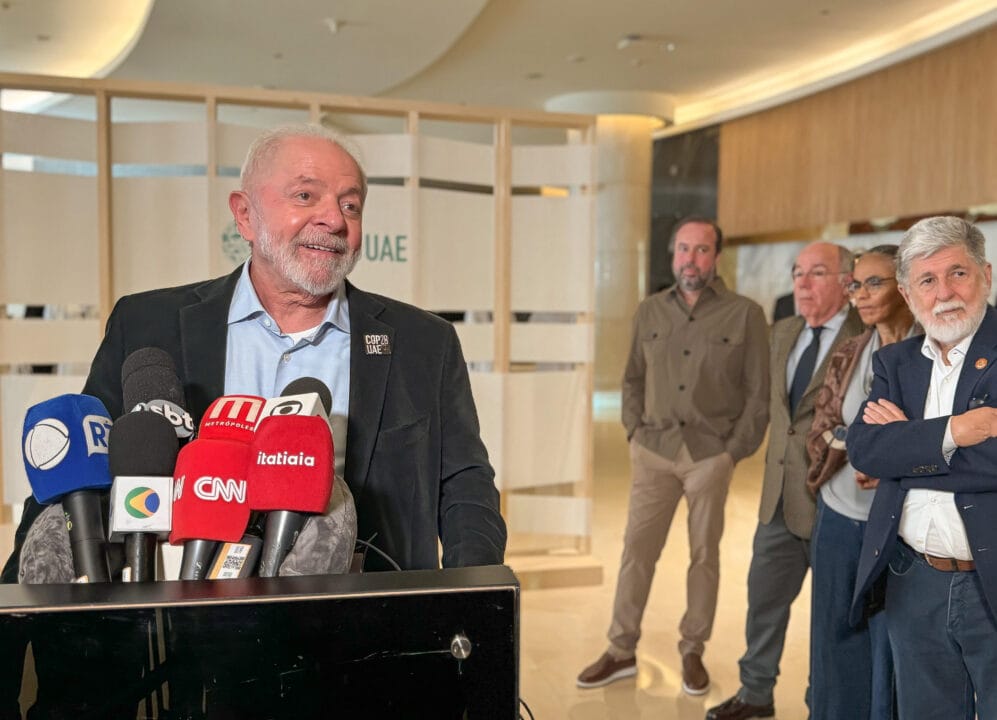

The President Strongly Denied Any Contradiction with the Environmental Policies Advocated, Reaffirming His Commitment to the Transition to More Sustainable Energy. He Emphasized the Importance of Concrete Measures for the Environment.
During the Sunday interview, Lula stated that he was unaware of the statement made by the president of Petrobras, Jean Paul Prates, about the possibility of the state oil company studying the establishment of a subsidiary in the Middle East.
He stressed: “This question should be directed to him, as I was not informed about the intention to create a Petrobras in the mentioned region.”
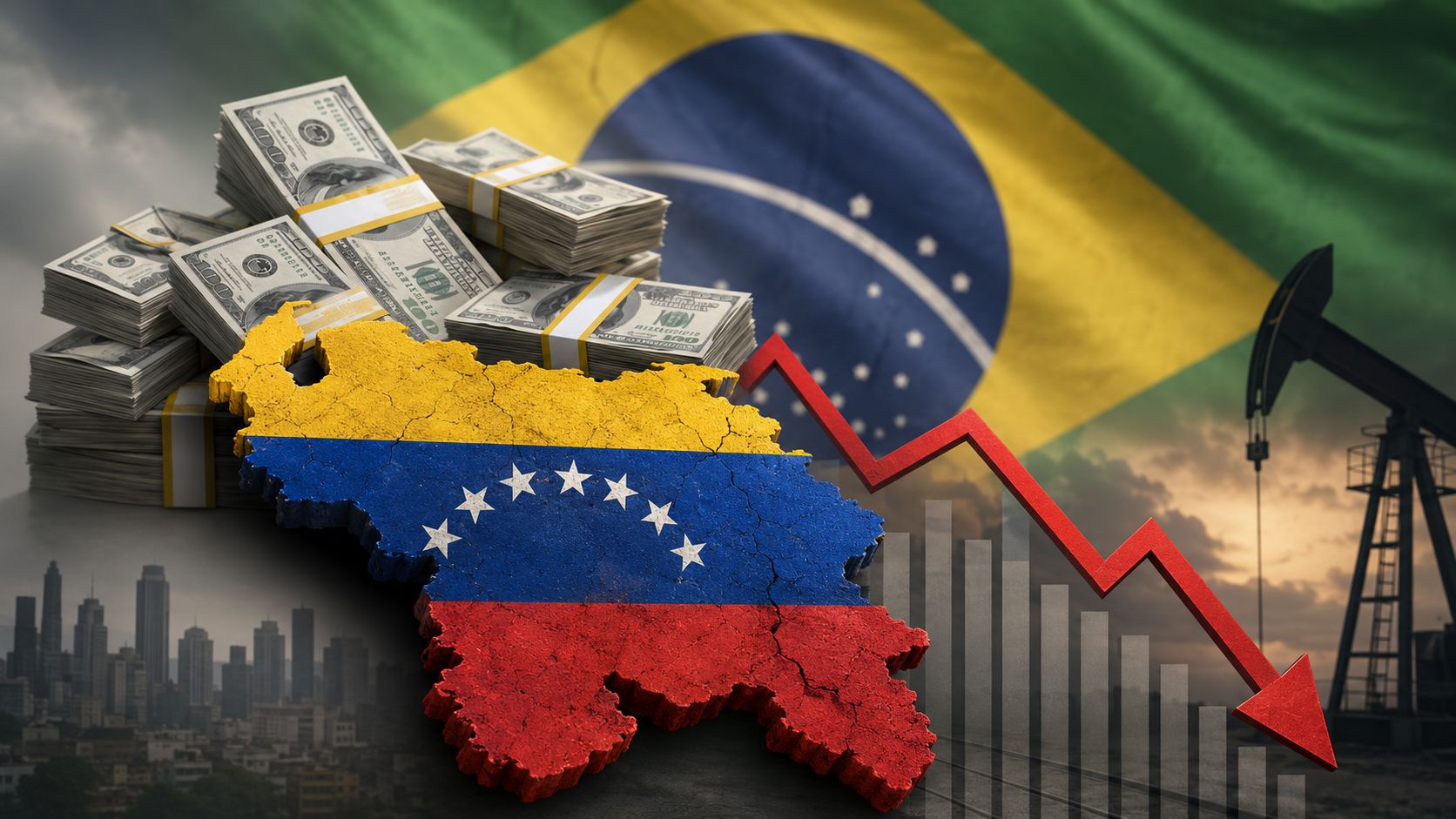
It was announced on Thursday by the Minister of Natural Resources, Alexandre Silveira, the invitation for Brazil to join the Opec+, a coalition made up of 23 oil-producing countries, formed by the members of Opec and other partner nations. He indicated that the country will likely accept the invitation.
-
Qantas and Airbus Invest in Company Aiming to Convert Unsorted Household Trash into Jet Fuel

-
Brazil’s ANP Opens 86 New Oil Blocks in the Equatorial Margin, Expanding the Amazon River Mouth Frontier

-
OPEC+ Boosts Oil Supply by 188,000 Barrels per Day in July 2026, Leading to Price Drop from $112 to $89 per Barrel in Under Two Months

-
TotalEnergies Signs 20-Year Deal to Purchase 2 Million Tons of LNG from Alaska, Boosting Project Viability
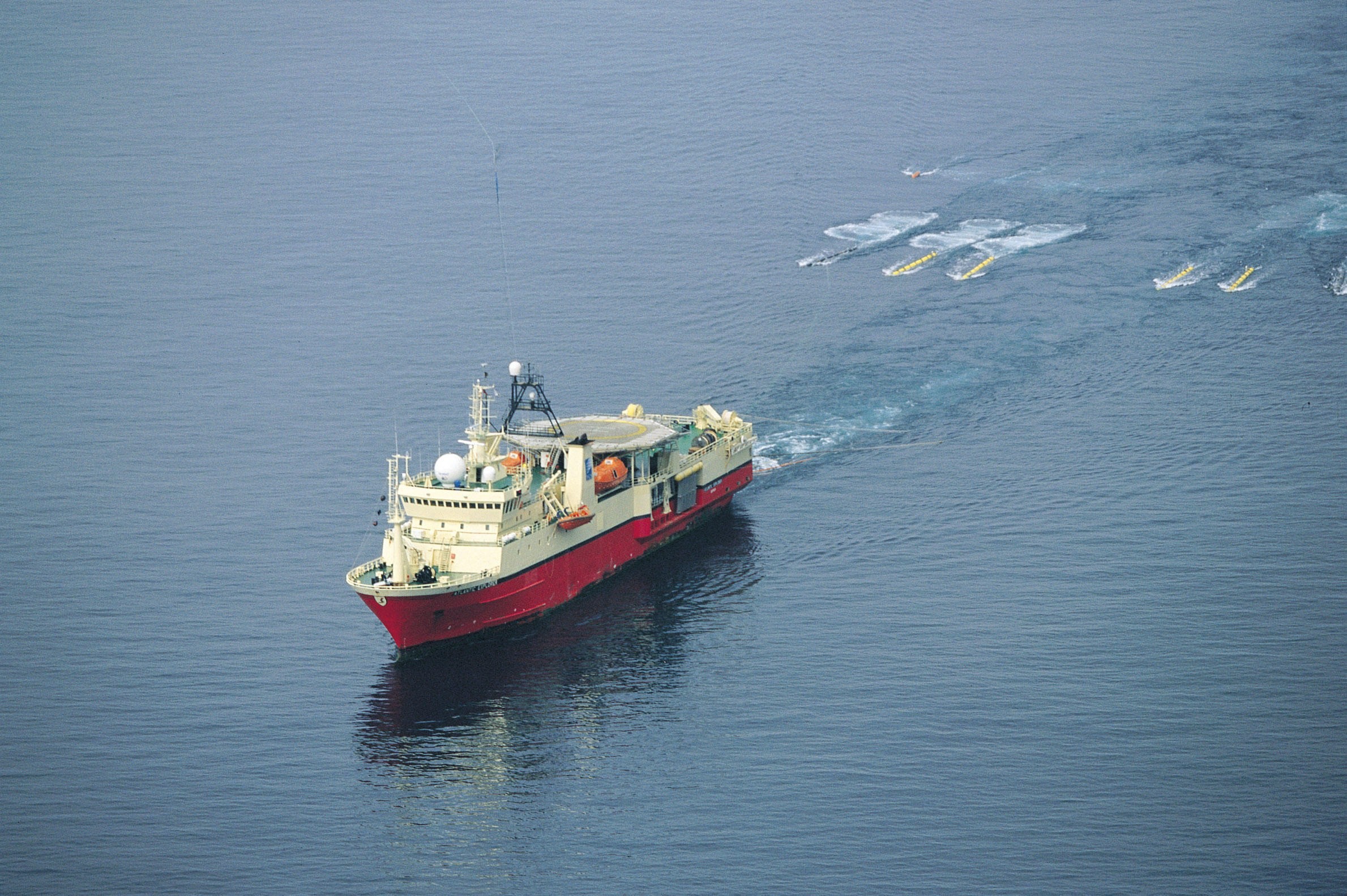
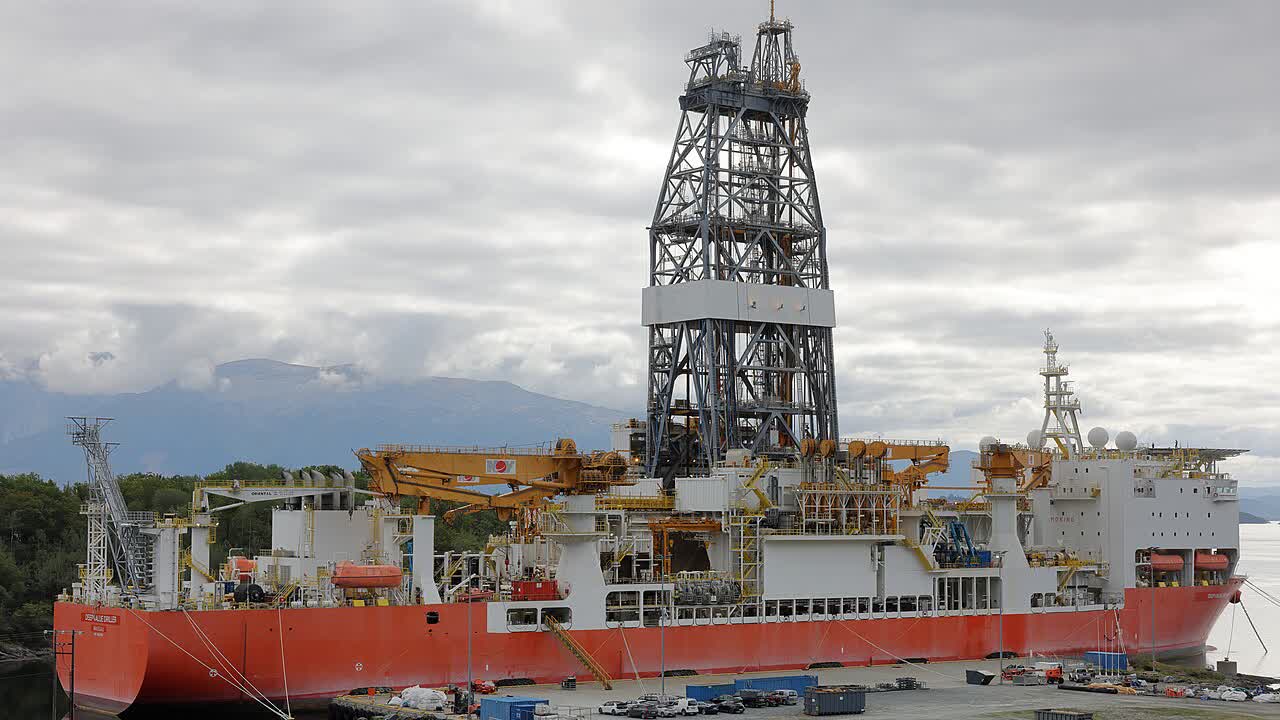
Brazil is the nation with the highest oil production in South America, reaching an average of 4.66 million barrels of oil equivalent per day (oil and gas) in September.
Brazil’s integration into Opec+ could have a significant impact on the country’s economy and politics, in addition to influencing the global oil market.
Lula Advocates Brazil’s Participation in the Opec+ for Energy Transition
The day before, Lula made a statement advocating Brazil’s participation in the Opec+ with the aim of persuading oil-producing countries to carry out the energy transition and prepare for the end of the use of fossil fuels.
On Sunday, he reiterated the need to reduce the use of fossil fuels but emphasized the importance of creating alternatives. He stated that Brazil’s possible participation in the Opec+ could result in the allocation of resources from oil-producing countries to assist poorer nations in Africa, America, and Asia, highlighting that it is necessary to allocate “a little of the money” for this cause.
“There is no discrepancy, Brazil will never become an effective member of the Opec, now what we wish is to have influence,” Lula stated at a press conference in Dubai, United Arab Emirates, during his participation in COP28, the UN climate conference.
“The name is so elegant that just by being elegant Brazil could join, Opec Plus, but perhaps as an observer. An observer goes to listen, to express opinion and why is it important for Brazil to participate? Brazil is an observer of the G7,” he emphasized.
President Luiz Inácio Lula da Silva stated last Sunday, the 3rd, that Brazil will never officially be part of the Organization of the Petroleum Exporting Countries (Opec), even if it joins the Opec+ as an observer to exert influence.
Lula denied there is a contradiction between the possibility of Brazil participating in the Opec+ and the environmental preservation policies and transition to green energy advocated by his government.
Source: InfoMoney