Portuguese
  Spanish


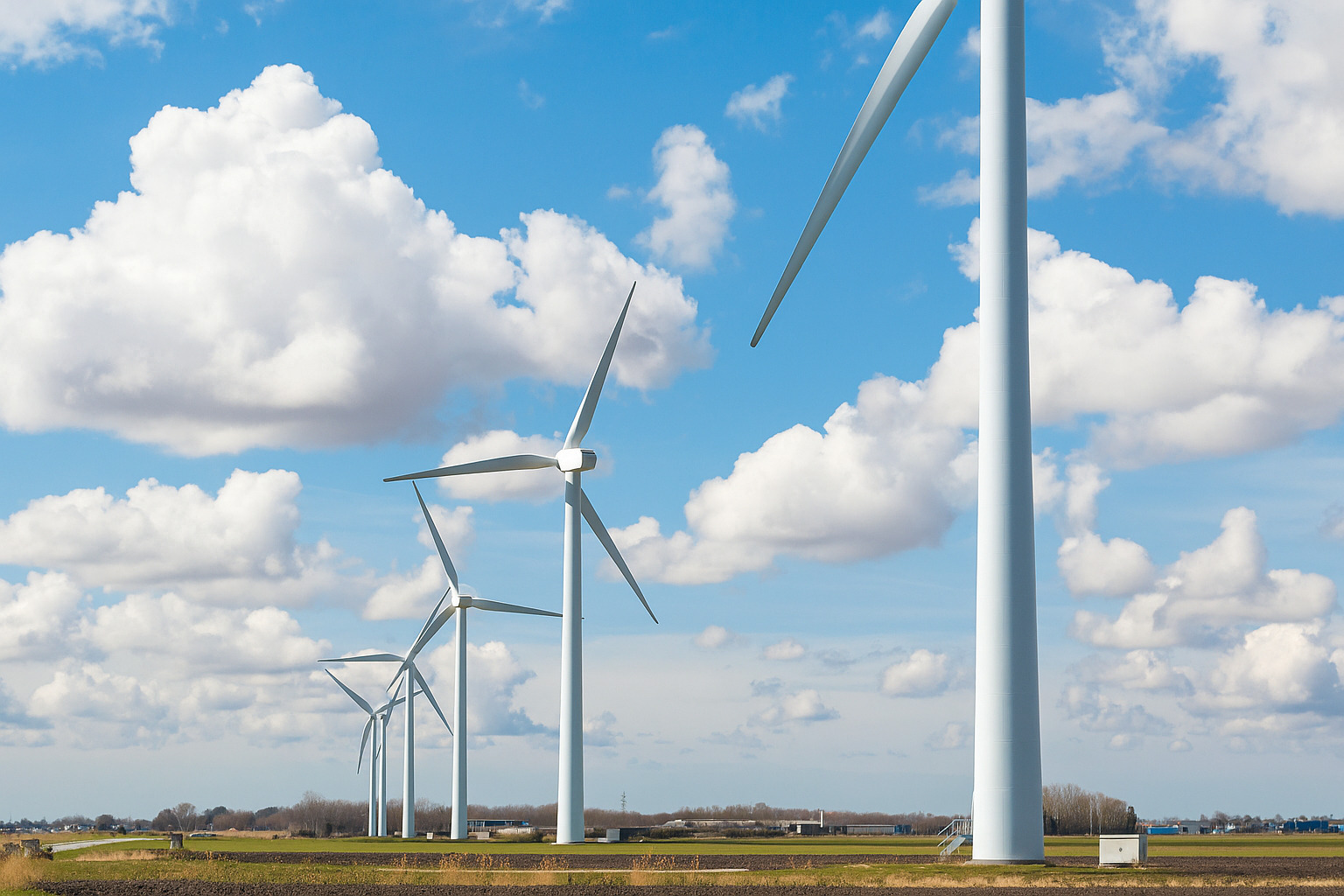


Vestas, the Largest Wind Turbine Manufacturer, Establishes Headquarters in RN and Will Manage Over 3,200 Turbines in 60 Parks Across Brazil.
Brazil has been consolidating its position as one of the main renewable energy markets in the world; therefore, Rio Grande do Norte stands out in this scenario.
Additionally, the Danish Vestas, the largest wind turbine manufacturer on the planet, chose Parnamirim to establish its administrative headquarters in Latin America.
Thus, the unit will manage over 3,200 turbines in 60 parks spread across the country, from Piauí to Rio Grande do Sul.
-
Brazil filled the Northeast with wind turbines but now faces the side effect of 705 giant blades reaching the end of their lifespan by 2032 just in Rio Grande do Norte, while the world projects 43 million tons of waste by 2050.

-
Brazil has filled the Northeast with wind turbines, but now it faces the side effect of 705 giant blades reaching the end of their useful life by 2032 just in Rio Grande do Norte, while the world projects 43 million tons of waste by 2050.
-
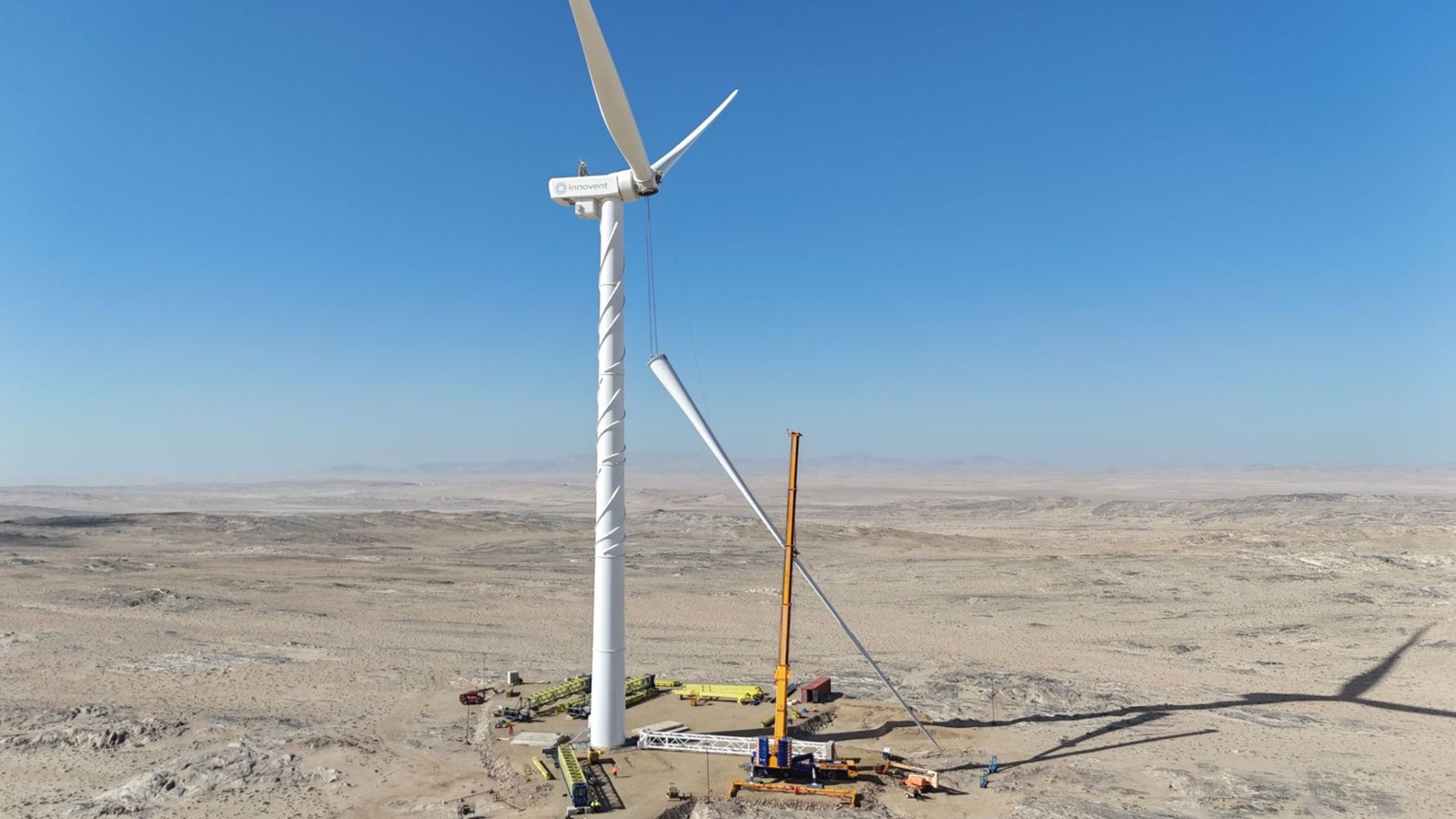
Wind farm in Namibia will have wind turbines assembled without giant cranes and is expected to avoid 200,000 tons of carbon dioxide per year when it becomes operational.

-
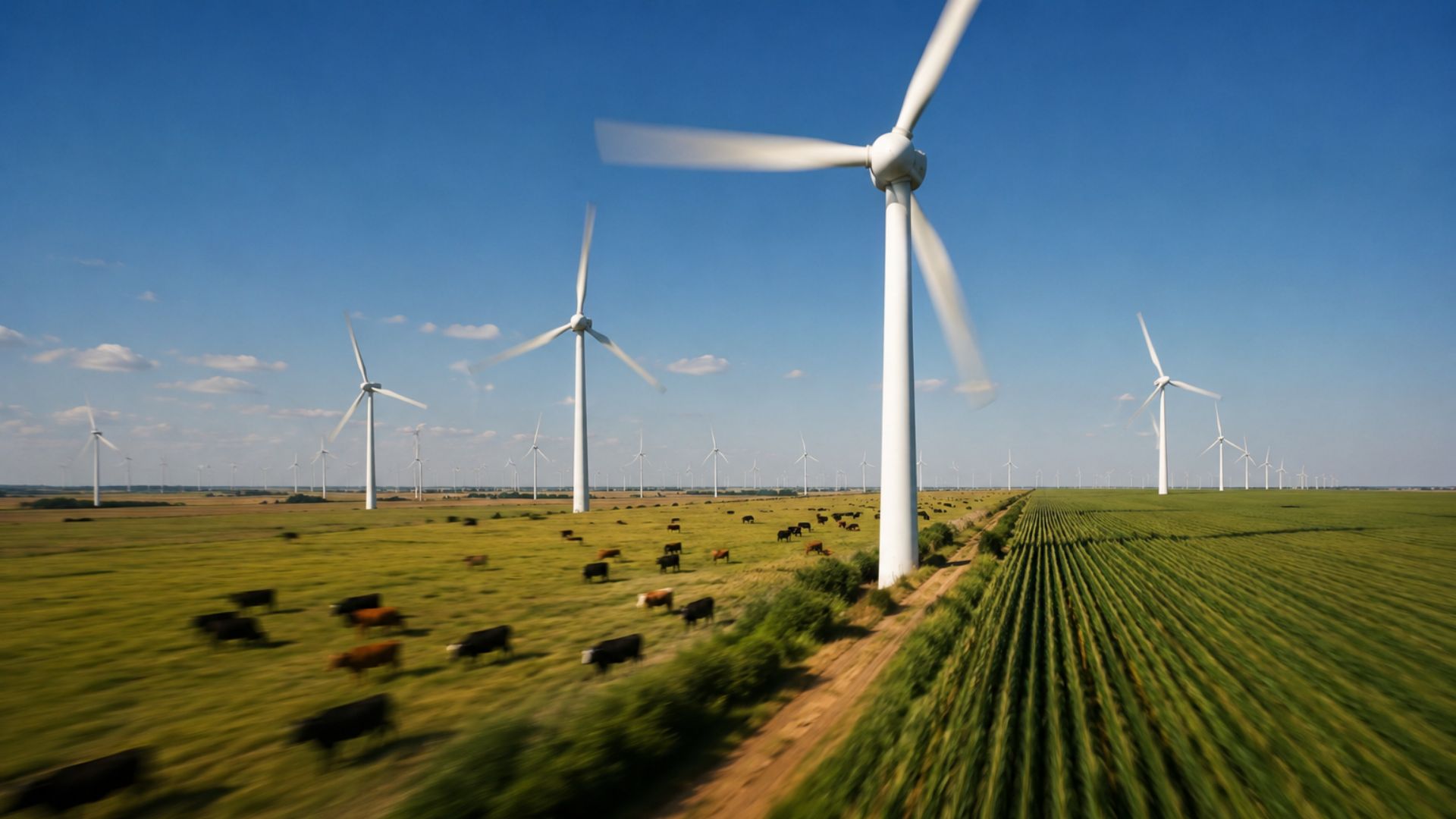
Taller than the Statue of Liberty, thousands of wind turbines are being planted in the middle of U.S. fields, creating two-story farms where corn and soybeans grow below while the wind turns into electricity above.


Historically, wind energy in Brazil began to gain relevance in the early 21st century, driven primarily by the search for clean energy sources and the growing interest in reducing dependence on fossil fuels.
Since then, the sector has grown rapidly, as public policies for incentives and the decrease in installation and operation costs of wind turbines favored investments.
This way, the presence of a global wind turbine manufacturer like Vestas highlights the maturity of the market and consequently strengthens Brazil as a hub for technology and innovation in the sector.
On the other hand, Vestas Latin America President Eduardo Ricotta Torres announced the establishment of the headquarters during a visit to the acting governor of Rio Grande do Norte, Walter Alves.
Moreover, Ricotta Torres emphasized that the company has reached 12 gigawatts of installed capacity in Brazil, a significant milestone that demonstrates Vestas’ leadership in the country.
Thus, this volume of energy directly impacts the economy and society, generating thousands of direct and indirect jobs.
The Strategic Role of Rio Grande do Norte in Wind Energy
Rio Grande do Norte has always been at the forefront of wind energy production in Brazil.
In fact, the state offers constant and high-intensity winds, making wind energy generation efficient and economically viable.
Therefore, the establishment of Vestas’ headquarters in Parnamirim symbolizes the company’s expansion and, at the same time, consolidates the state as a hub for technology and innovation in renewable energies.
Additionally, Vestas’ decision to expand its operations in Latin America follows the global trend of diversifying energy sources.
In recent years, the need to reduce greenhouse gas emissions and meet sustainability targets has made wind energy a priority.
In this context, the new administrative headquarters, with 250 employees dedicated to logistics and project management, reinforces the company’s commitment to operational efficiency and strengthening the local production chain.
Moreover, Vestas’ presence drives a complete industry around wind energy.
That is, suppliers of equipment, maintenance companies, specialized service centers, and skilled professionals directly benefit from the growth of the operation.
Since 2017, the company has maintained its first service center in Brazil in Parnamirim, offering technical and operational support for installed turbines.
Therefore, the establishment of the headquarters also stimulates the development of technologies adapted to Brazilian conditions.
For example, laboratories and training centers emerge to optimize the production and operation of turbines, increasing the added value of the sector and strengthening the local technical knowledge.
Economic and Social Impact of the Headquarters Establishment
The presence of the headquarters has a strong economic and social impact.
According to the Rio Grande do Norte Secretary of Economic Development, the wind energy production chain generates over 10,000 direct and indirect jobs.
Consequently, with Vestas’ expansion, this number is likely to grow, benefiting the local economy and creating new opportunities in engineering, logistics, maintenance, and technical education.
Furthermore, the development of wind energy in Brazil shows that international wind turbine manufacturers accelerate the technological advancement of the sector.
Indeed, companies like Vestas bring experience, knowledge, and innovation, training qualified professionals and modernizing production and operation processes.
In this way, this technological exchange strengthens the country’s independence in relation to imported technology and increases the competitiveness of the Brazilian sector in the international scenario.
Moreover, Brazil leads Latin America as a strategic market in renewable energy, but neighboring countries are also investing in this sector.
Thus, Vestas’ global experience helps Brazil become a reference hub, not only in energy production but also in research, development, and operation of cutting-edge technologies.
Therefore, Vestas’ expansion encourages technical training programs, allowing local professionals to acquire specialized skills.
As a result, the competitiveness of the regional workforce is elevated and a self-sustaining wind energy industry is consolidated.
Connection with the Global Energy Transition
The establishment of the headquarters in Rio Grande do Norte also follows the global trend of energy transition, which replaces fossil sources with clean and sustainable alternatives.
In this scenario, wind energy plays a central role, as it is efficient and has low environmental impact.
Moreover, leading companies in the sector accelerate this transition, promoting innovation, sustainability, and economic growth simultaneously.
Indeed, Vestas’ operation in Brazil requires efficient logistics, personnel training, and integration with local suppliers.
In other words, the company participates in a network that involves production of components, transportation, installation, maintenance, and monitoring of turbines.
Consequently, the creation of specialized jobs and the transfer of technical knowledge strengthen the entire production chain.
Additionally, the presence of a wind turbine manufacturer like Vestas encourages partnerships with universities and research centers, generating solutions to increase turbine efficiency and reduce operational costs.
Therefore, this collaborative environment benefits the private sector, academia, and society.
Moreover, state and federal governments benefit from Vestas’ experience to improve regulations, encourage investments, and expand technical training programs.
As a result, a virtuous cycle between industry, government, and society is created, promoting sustainable development and technological innovation.
Consolidation of Brazil as a Reference in Clean Energy
In summary, the establishment of Vestas’ administrative headquarters in Rio Grande do Norte represents a milestone for the wind energy sector in Brazil.
Thus, it strengthens a global wind turbine manufacturer, expands the production chain, creates jobs, promotes technological innovation, and consolidates the country as a reference in clean energy.
Historically, Brazil has come a long way since the first investments in renewable energy to become a attractive hub for leading companies.
Furthermore, Vestas’ presence reinforces the commitment to sustainability and environmental responsibility.
Each new installed turbine not only generates clean energy but also contributes to reducing pollutant gas emissions, preserving natural resources and strengthening Brazil’s image as a leader in renewable energy solutions.