





 Portuguese
  English
  Spanish
  4 min of reading
  0 comments


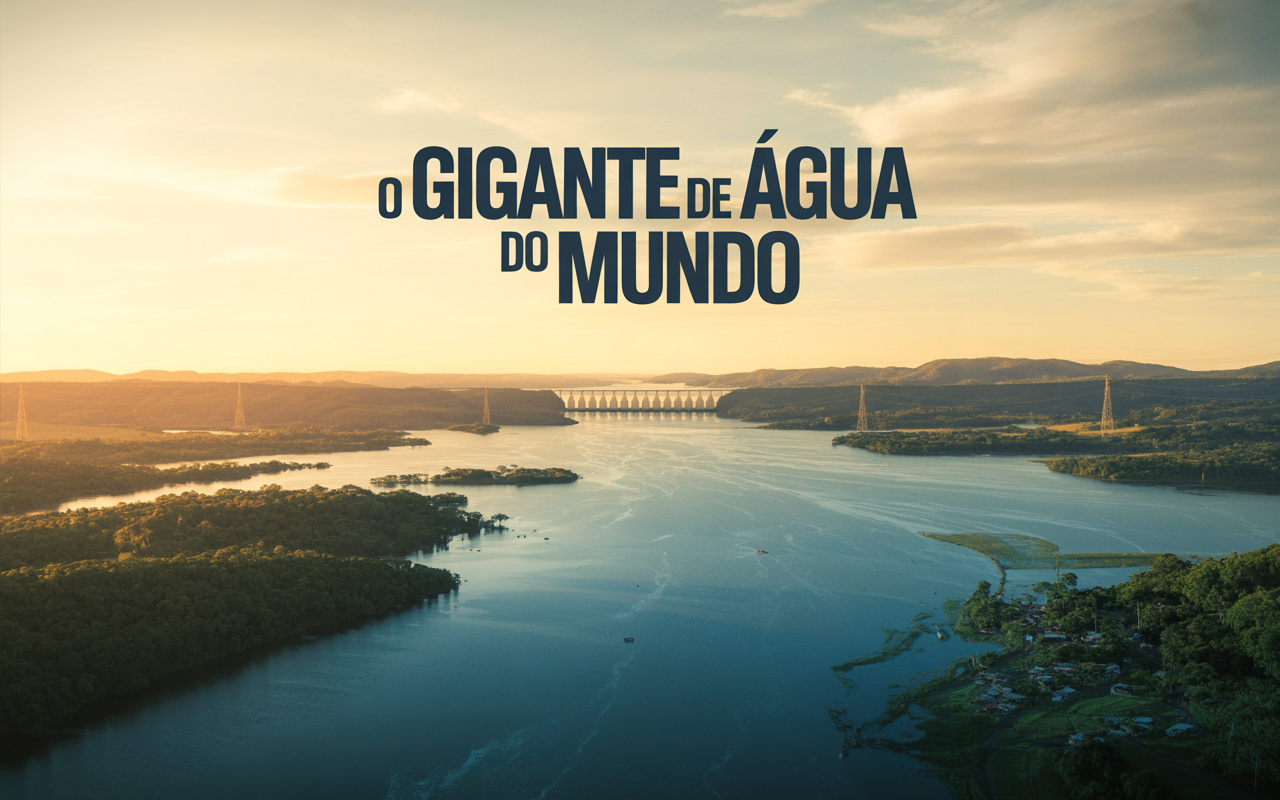
With 8,482 km², Lake Volta in Ghana is the largest artificial lake in the world. Created by the Akosombo Dam in 1965, it generates energy for millions and supports 300 thousand people.
Located in Ghana, West Africa, Lake Volta is one of the largest water engineering feats in modern history and the largest artificial lake on the planet by surface area. Officially created in 1965 with the completion of the imposing Akosombo Dam, the lake covers 8,482 km², equivalent to the territory of countries like Puerto Rico or almost four times the size of Greater São Paulo. Almost six decades after its formation, it remains the energy and economic heart of Ghana, sustaining millions and shaping the geography, economy, and social life of the country.
A Project That Changed the History of Ghana
The idea of creating Lake Volta arose in the 1950s during Ghana’s independence process. The then-national leader Kwame Nkrumah believed that the newly liberated country needed a major infrastructure project capable of symbolizing its autonomy and generating enough energy to drive industrialization.
This led to the birth of the Volta River Project, which envisioned the construction of a dam on the Volta River and the creation of a colossal reservoir.
-
American donated US$ 5,000 to a Chinese farmer to plant trees in the desert, and decades later the money turned into a forest with more than 50,000 trees.

-
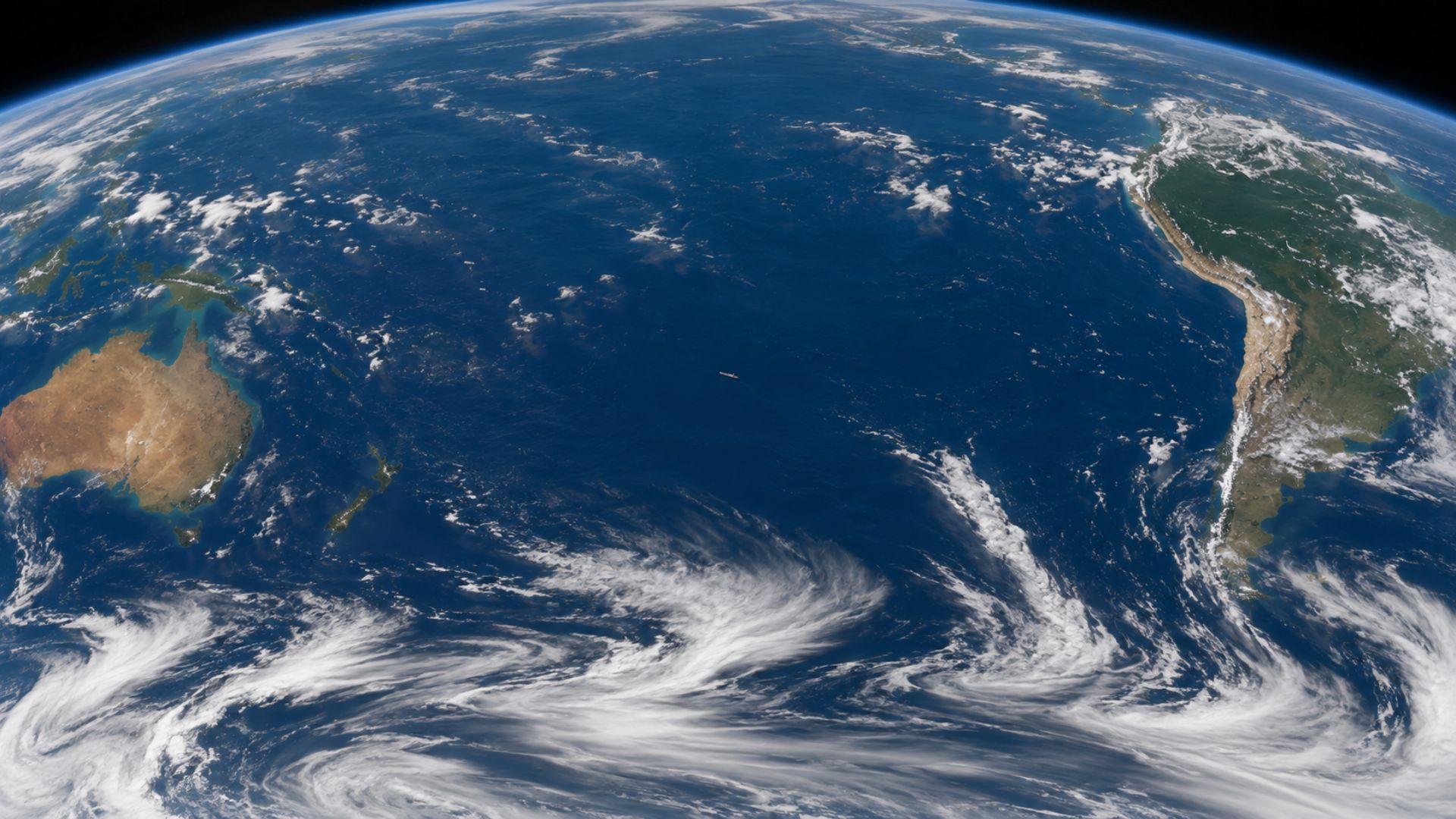
Almost no ship sails directly between South America and Australia, and the reason is a combination of the vast distance, winds that circle the planet nonstop, and the absence of ports along the way, leaving the South Pacific as a water desert.

-
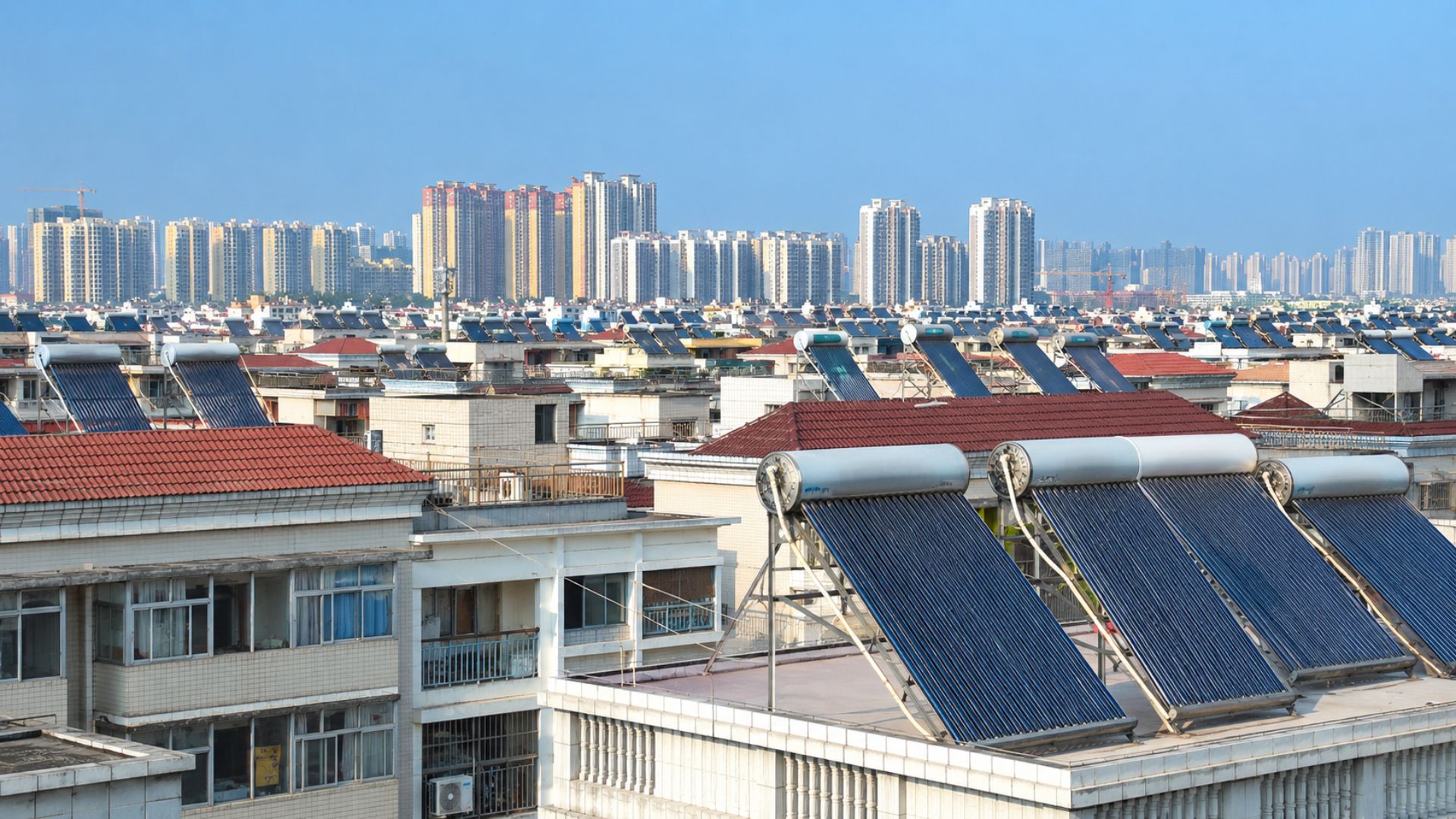
More than 85 million homes in China heat water for free with vacuum glass tubes invented at a Chinese university, a cheap technology with no moving parts that faces certification rules and codes in the United States, making installation too expensive.
-
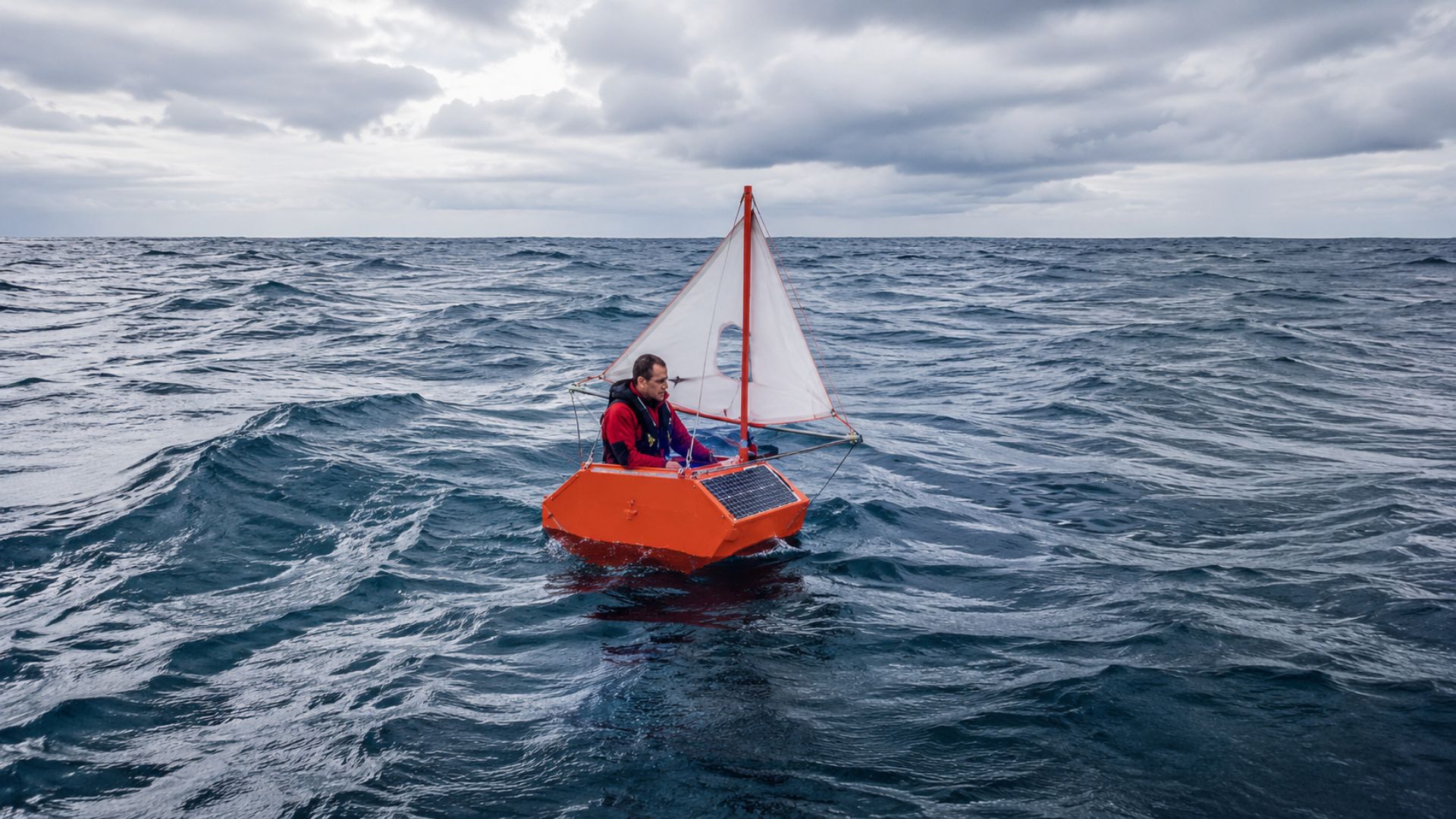
In a boat just 1.19 meters long, smaller than many kayaks, Briton Andrew Bedwell wants to cross nearly 3,000 kilometers of the North Atlantic alone and spend more than two months without being able to lie down or stand up, all to break a record and honor cancer victims.

With financial support from the World Bank, the United States, and the United Kingdom, construction began in 1961 and was completed in 1965.
The Akosombo Dam, at a height of 134 meters and a length of 660 meters, held back such a large volume of water that it flooded entire valleys, creating what would become the largest artificial lake in the world by area.
Dimensions and Unprecedented Human Impact
The formation of Lake Volta was not only a technical achievement but also one of the largest human relocation processes on the African continent.
To allow for flooding, around 80 thousand people from 700 villages were displaced, giving rise to new planned communities on the shores of the lake.
Today, the lake is 400 km long, crossing nearly the entire territory of Ghana from south to north. Its total shoreline stretches an impressive 5,200 km, and its waters store more than 148 billion cubic meters.
It is such an extensive body of water that it alters the local climate, influences agriculture, and serves as a waterway for transporting goods and people between the major cities of the country.
The Akosombo Dam: The Energy Heart of Ghana
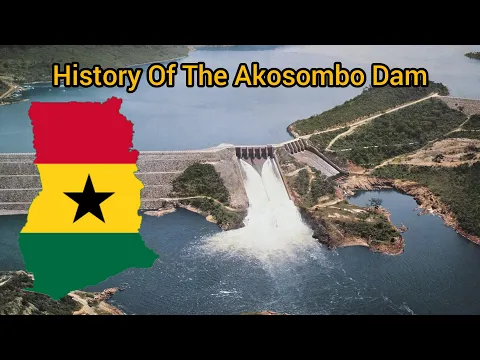

At the center of it all is the Akosombo Hydroelectric Plant, one of the largest in Africa. With an installed capacity of over 1,020 megawatts, it is responsible for about 60% of all electricity in Ghana and also exports energy to neighboring countries like Togo and Benin.
Furthermore, the lake feeds the Kpong plant, built later, which increases generation capacity and ensures greater energy stability for the region.
For Ghana, this energy has meant industrial and urban development. Several factories and technology centers were built in the following decades, and the country came to have one of the most reliable electrical systems on the African continent.
A Unique Ecosystem and Source of Livelihood
Over the years, Lake Volta has also become a powerful source of livelihood. Artisanal fishing employs more than 300 thousand people, and the region has become responsible for a large part of the fish consumed in Ghana. Tilapia and catfish dominate the waters, and the lake is home to more than 200 aquatic species.
Additionally, it is vital for river transport. In many areas of the country, roads are poor or nonexistent, and the lake serves as a true “liquid highway.” Boats transport goods, food, and passengers, connecting isolated communities and reducing logistical costs.
Tourism and Natural Beauty
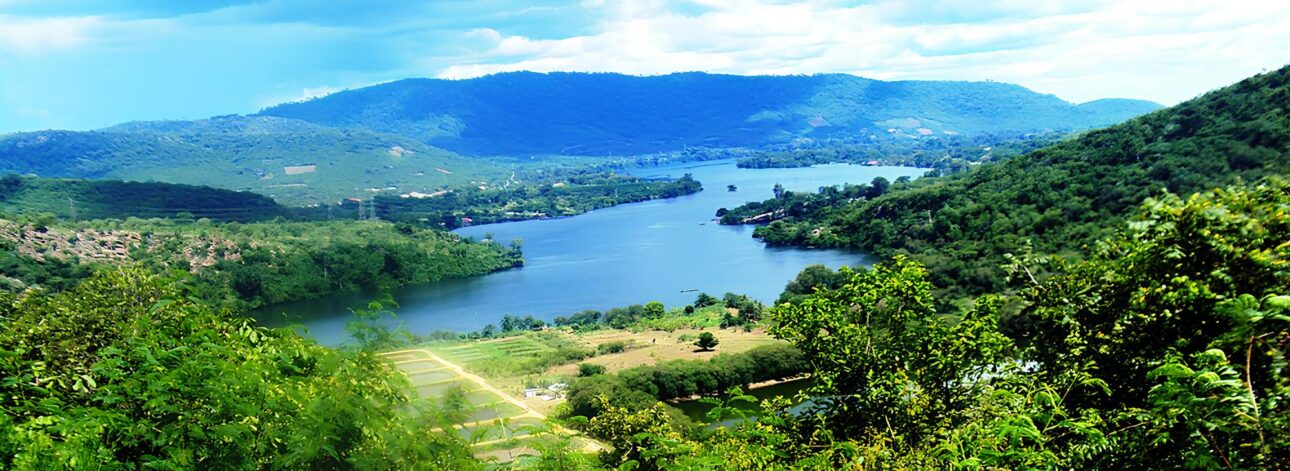
Despite its industrial origin, Lake Volta also attracts visitors. The scenery is paradise-like, with calm waters surrounded by hills, tropical forests, and small islands, some of which are inhabited by families who live almost entirely off fishing.
Cities like Akosombo and Kete Krachi have become tourist hubs, offering boat excursions and accommodations with views of the vast water mirror. The dam itself is open to visitors and has an interpretation center that explains the workings of the complex and its historical significance.
Despite its vital role, Lake Volta faces significant challenges. Overfishing, deforestation of the banks, and sediment accumulation threaten the ecological balance. Another serious issue is child labor in fishing, which has mobilized NGOs and the government in efforts to eradicate the practice.
In recent years, Ghana has implemented sustainability programs, focusing on environmental monitoring, education, and promoting eco-tourism. The goal is to ensure that Lake Volta continues to be a source of wealth and energy without compromising the environment or local communities.
A Legacy That Transcends Generations
Almost 60 years after its creation, Lake Volta remains a landmark of engineering and political vision in Ghana.
It is simultaneously a symbol of independence, an economic engine, and a reminder of the social impacts of large projects. Its existence has transformed the country’s map, creating new opportunities but also new challenges.
Today, amid a world increasingly seeking clean energy, Lake Volta continues to be relevant — a natural power plant for development and life. It not only powers cities and factories but also nourishes dreams and stories of thousands of families living along its shores.
The largest artificial lake in the world is, therefore, more than an engineering feat: it is a testament to human capacity to shape nature and a lasting symbol of the strength of an African country that chose to reinvent itself through water.




-

-

-

-

-

-

148 people reacted to this.