Portuguese
  Spanish


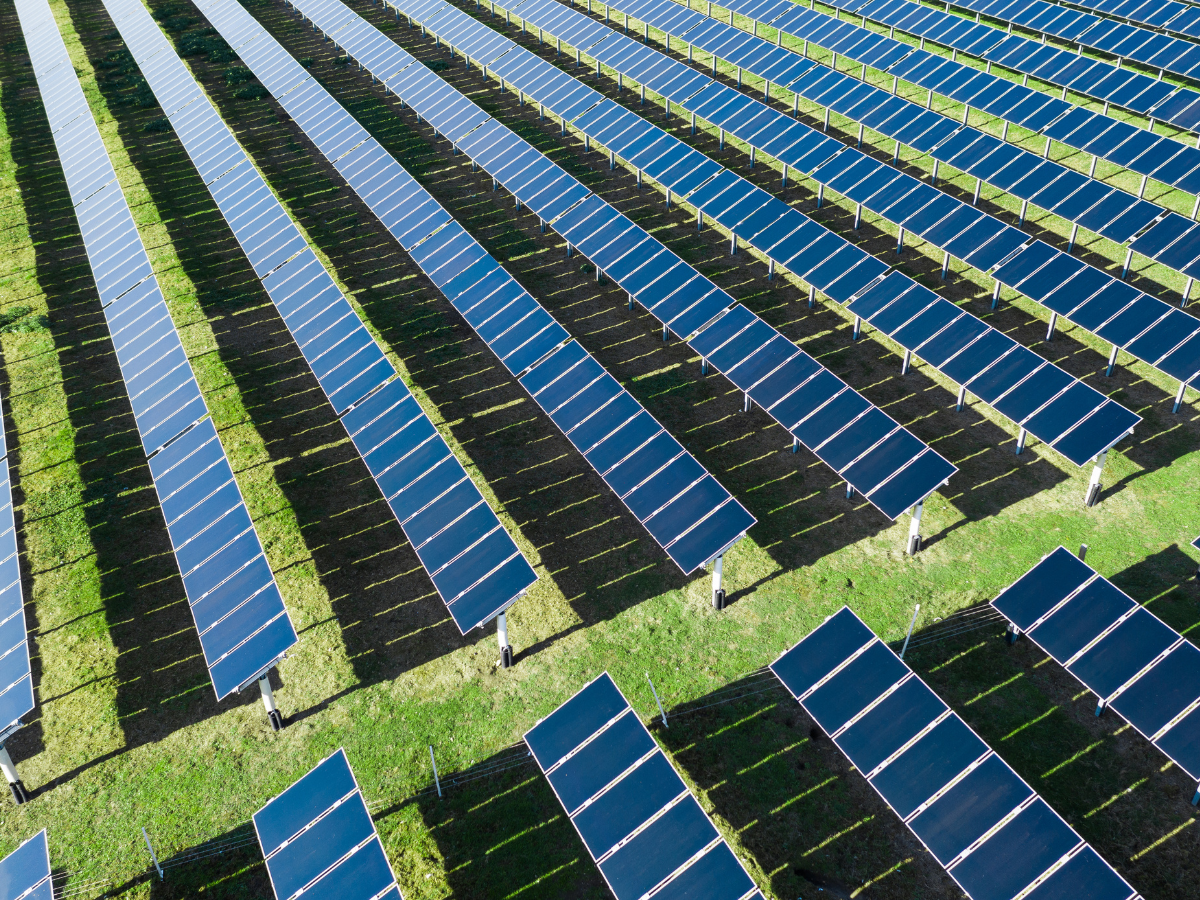

Recently Inaugurated, The Arinos Solar Park Positions Minas Gerais At The Forefront Of Renewable Energy In Brazil, With Direct Impact On The Local Economy, The Environment, And The National Energy Matrix.
The municipality of Arinos, in the northwest of Minas Gerais, now hosts the largest solar park in Brazil, solidifying the state as a reference in clean energy. With over 720,000 photovoltaic panels spread across 822 hectares, the Arinos Solar Park has an installed capacity of 432 megawatt-peak (MWp), enough energy to supply 70,000 homes or a city with 350,000 inhabitants.
The inauguration of the park marks an important step in the national energy transition strategy, in a project that received R$ 690 million in investment, part of which was financed by the federal government.
Reduction Of CO₂ And Positive Environmental Impact
One of the major differentiators of the new venture is its positive environmental impact. It is estimated that the operation of the park will prevent the emission of 22,000 tons of carbon dioxide (CO₂) per year.
-
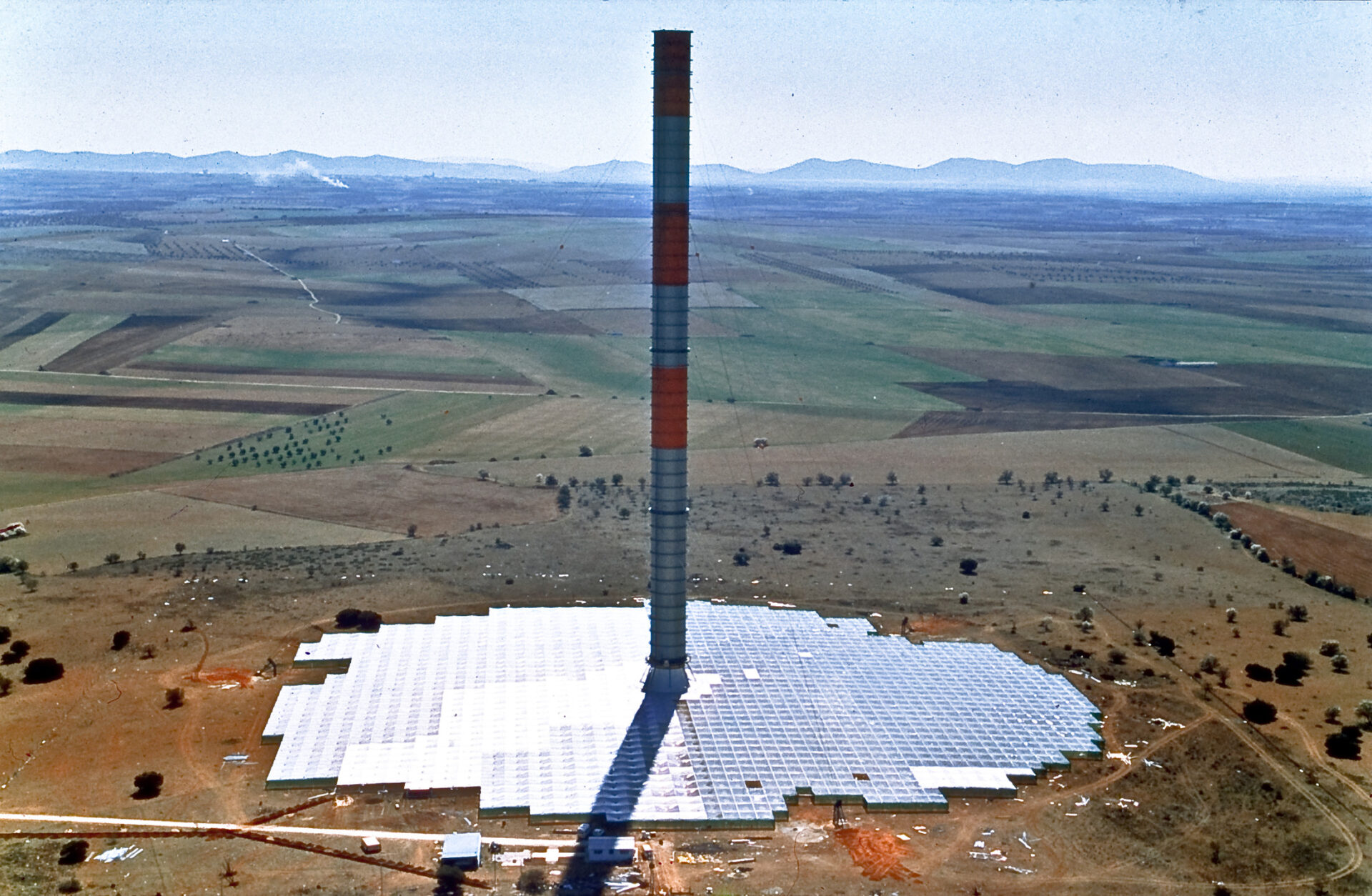
Solar Chimney in Spain Harnessed Sun to Generate Electricity for 7 Years Without Burning Fuel

-
Solar energy reaches 55 GW, becoming the second largest power source in Brazil’s energy mix

-
Solar energy can increase property value by up to 10% and become a selling point.
-
Solar and wind energy surpass natural gas for the first time in the world and accelerate energy revolution

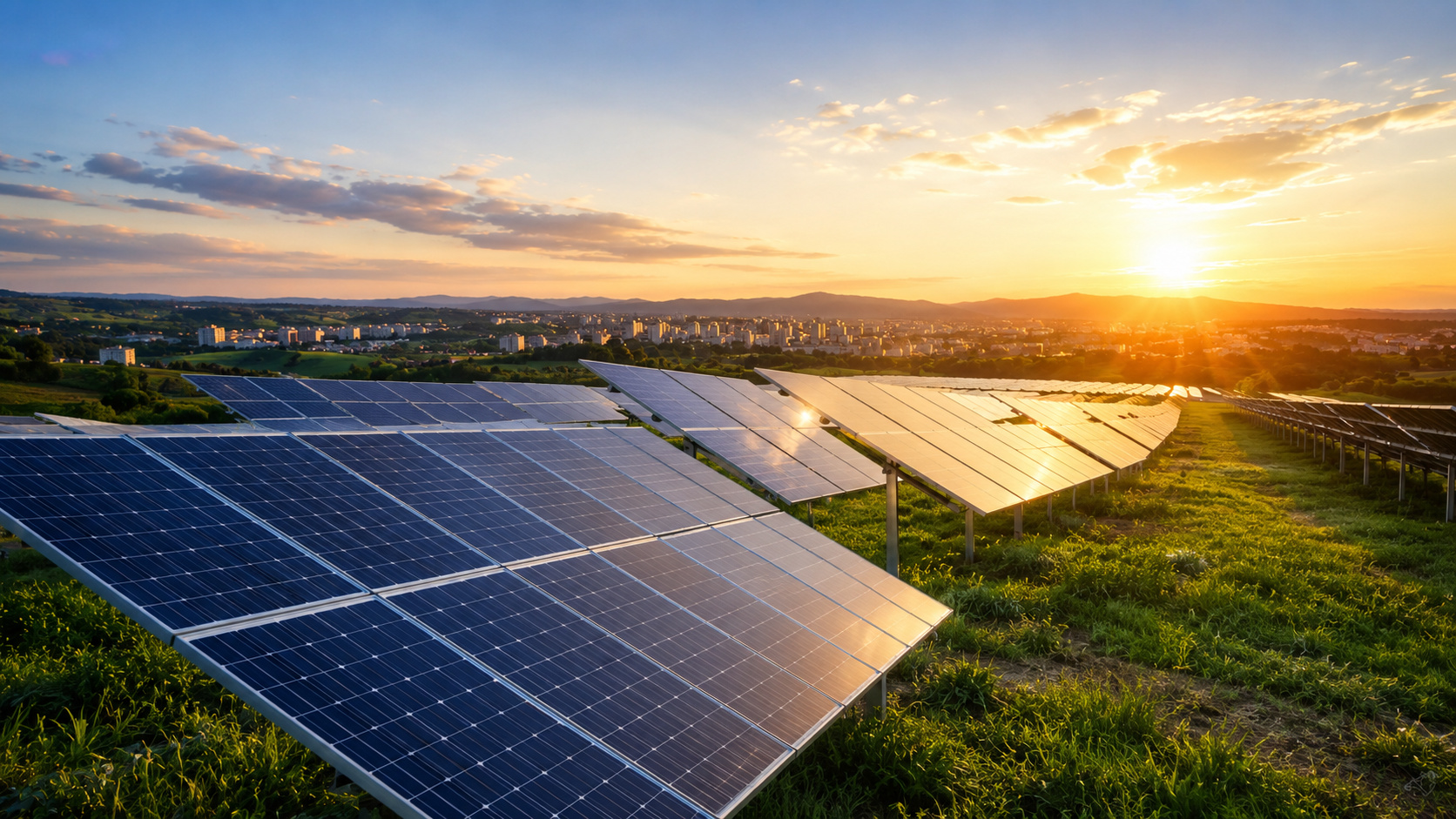

This contribution is particularly relevant in a global scenario of combating climate change and strengthening sustainable practices.
In addition to the mitigation of emissions, the project has attracted 27 companies from the photovoltaic sector to Arinos, a municipality with just over 17,000 inhabitants.
The economic movement not only diversifies the local productive base but also stimulates job creation and the development of sustainable infrastructure.
Minas Gerais Leads In Solar Energy In Brazil
The state of Minas Gerais has already distinguished itself as the largest producer of solar energy in the country, and with the new park, it reinforces this position. Currently, there are approximately 934 solar plants installed in the state of Minas Gerais.
According to the Ministry of Mines and Energy, the expectation is that the sector will receive R$ 17.6 billion in investments by 2028, generating around 160,000 direct and indirect jobs.
This expansion transforms Minas Gerais into a strategic hub for the national and global energy transition, attracting investor attention and fostering partnerships with companies specialized in clean technology.
Brazil Among The World Leaders In Solar Energy
The International Energy Agency positions Brazil among the 18 countries with over 10% penetration of solar energy, an indicator that reaffirms the country’s competitive potential in the sector.
The popularization of photovoltaic technology is also reflected in consumption data: the residential sector leads with 49.57% of solar demand, followed by commercial and services (28.43%), rural (13.50%), industrial (7.23%), and public (1.27%).
Challenges And Opportunities Of The Sector
Despite significant advances, solar energy in Brazil still faces bottlenecks. The lack of substations and adequate transmission lines limits the efficiency of generated energy, especially during the day when production is highest.
Investments in thermal energy storage and integration with other sources, such as natural gas and wind energy, are viable paths to optimize the energy matrix.
The Arinos region, in fact, has great potential for hybrid projects that combine different renewable sources, increasing energy resilience and reducing dependence on fossil sources.