





 Portuguese
  English
  Spanish
  4 min of reading
  0 comments


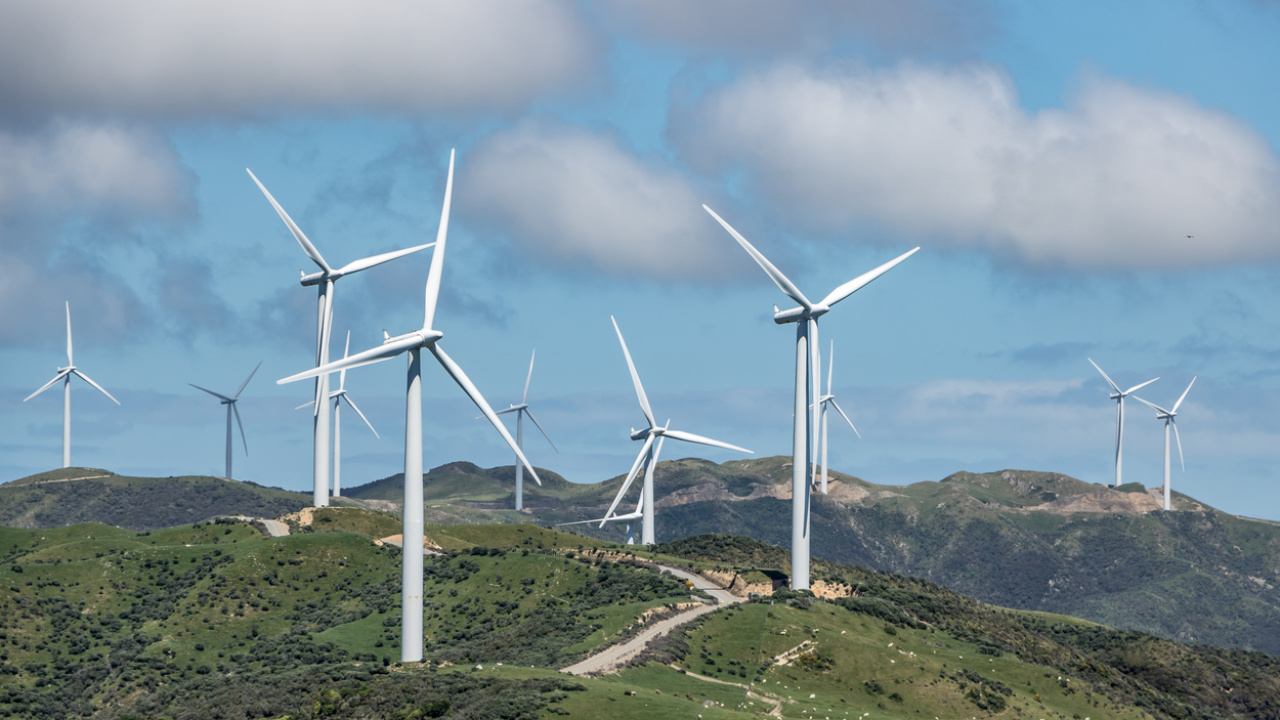
Squadron Energy Has Completed the Concrete Pouring for the Foundations of the First 69 Turbines of the Uungula Wind Farm, the Largest Wind Power Project in New South Wales, with 414 MW of Capacity and Strong Economic and Environmental Impact.
Wind energy takes another important step in Australia with the progress of the Uungula Wind Farm, located near Wellington, in the central western region of New South Wales (NSW). The project, developed by Squadron Energy, stands out as the largest wind project in the state, with 414 megawatts (MW) of installed capacity, marking a decisive moment in Australia’s energy transition.
The company announced the completion of the concrete pouring for the foundations of the first 69 turbines, a milestone that consolidates the accelerated pace of construction and reinforces the commitment to expanding clean energy sources in the country.
A Milestone for Sustainability and Regional Economy
More than a technical achievement, the Uungula Wind Farm represents a strategic investment in sustainability and regional development. Under the leadership of billionaire Andrew Forrest, known for his environmental activism and for driving Australia’s green economy, the project brings concrete benefits to local communities and regional infrastructure.
-
Brazil filled the Northeast with wind turbines but now faces the side effect of 705 giant blades reaching the end of their lifespan by 2032 just in Rio Grande do Norte, while the world projects 43 million tons of waste by 2050.

-
Brazil has filled the Northeast with wind turbines, but now it faces the side effect of 705 giant blades reaching the end of their useful life by 2032 just in Rio Grande do Norte, while the world projects 43 million tons of waste by 2050.
-
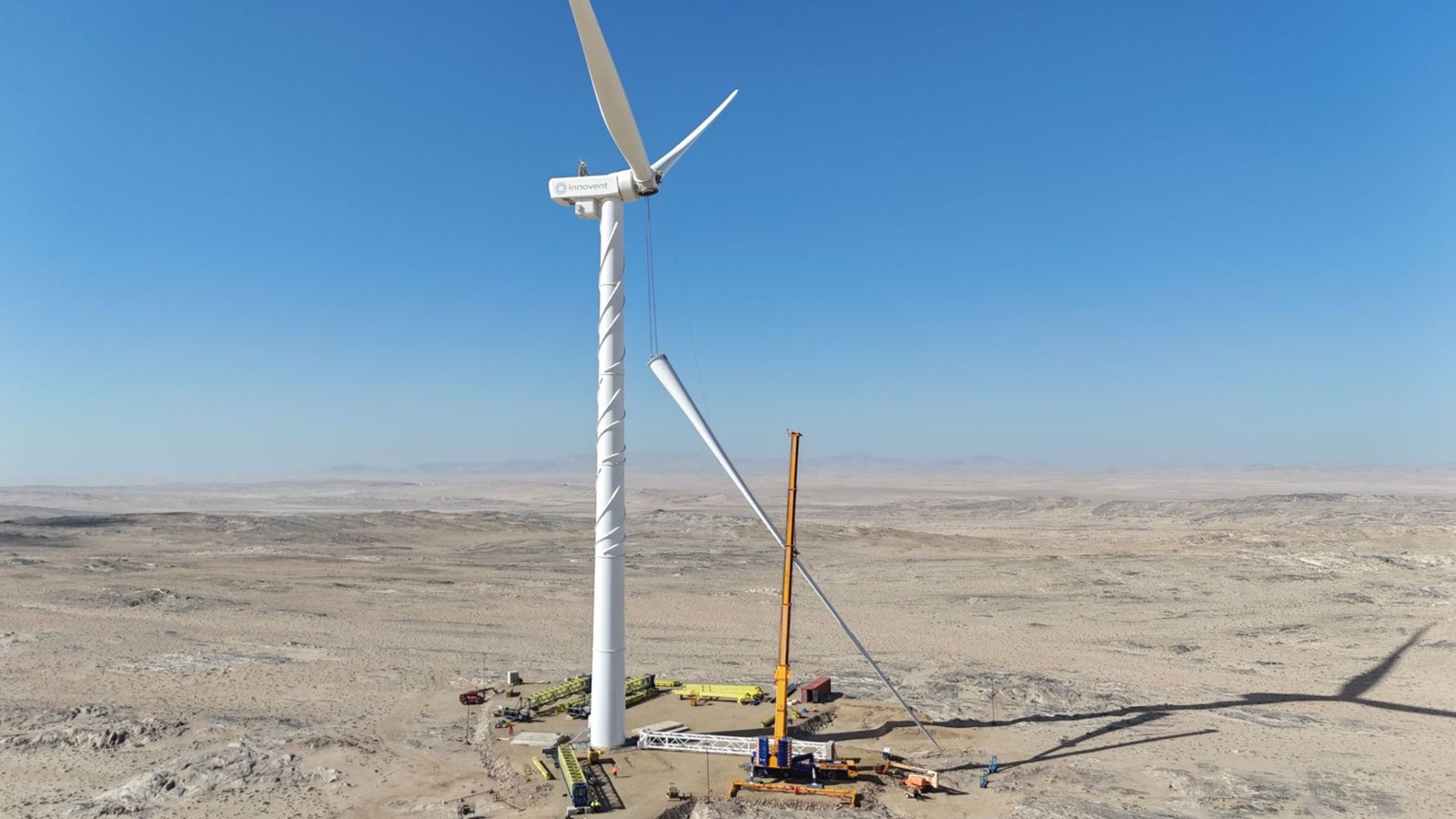
Wind farm in Namibia will have wind turbines assembled without giant cranes and is expected to avoid 200,000 tons of carbon dioxide per year when it becomes operational.

-
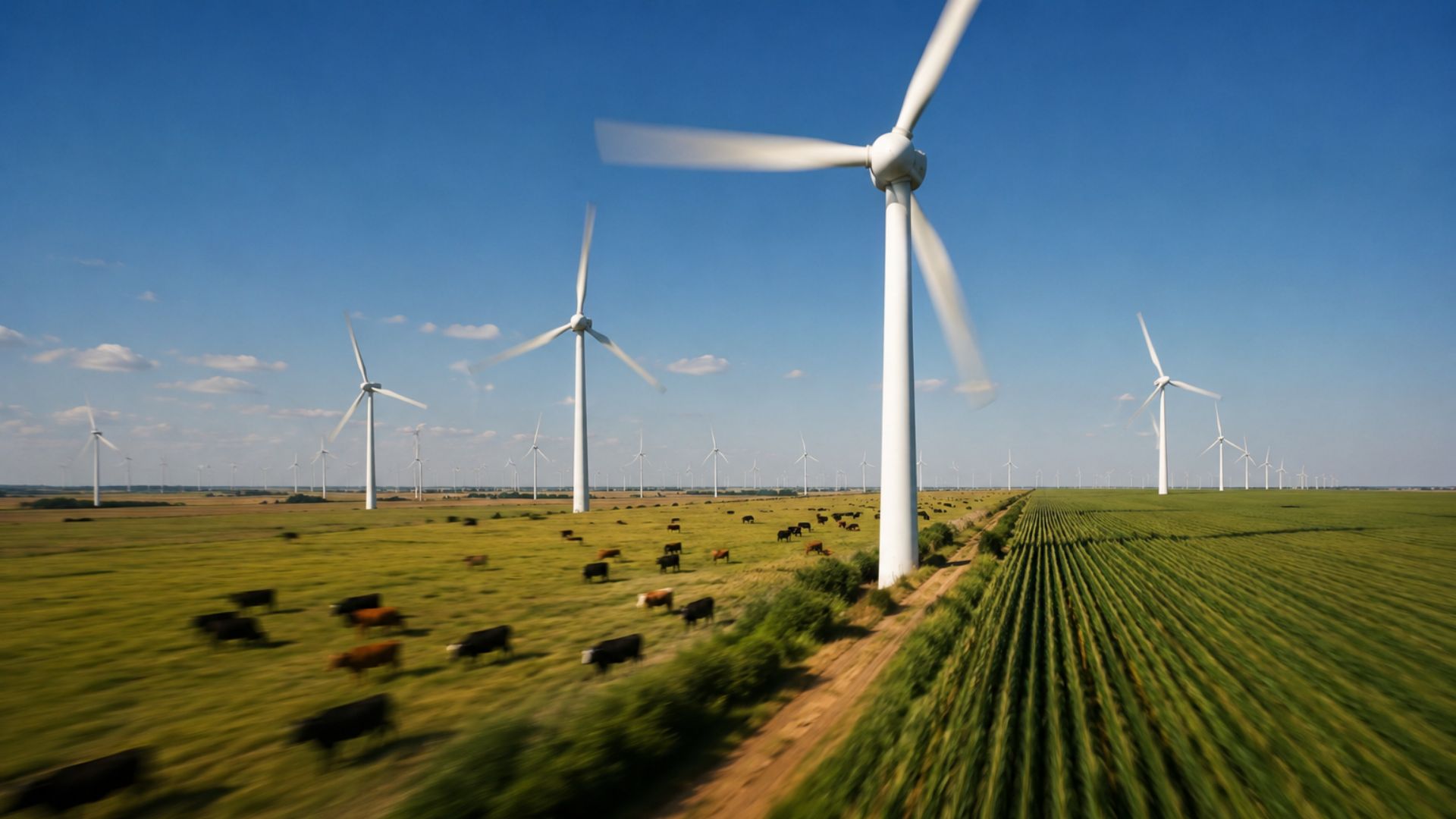
Taller than the Statue of Liberty, thousands of wind turbines are being planted in the middle of U.S. fields, creating two-story farms where corn and soybeans grow below while the wind turns into electricity above.



According to Tony Clark, General Manager of Development and Delivery at Squadron Energy, the initiative is the result of a solid partnership between the company and local residents.
“The project is a joint effort with communities and stakeholders, promising lasting benefits such as job creation and strengthening local infrastructure,” Clark stated.
Starting in January 2024, the construction of the park is already boosting the local economy. There are 262 direct jobs created and an injection of 41 million Australian dollars into the local economy, strengthening the role of wind energy as a vector for socioeconomic and environmental development.
Wind Energy: The Engine of Australia’s Energy Transition
When operational, the Uungula Wind Farm will have the capacity to generate enough energy to power more than 220,000 homes, significantly reducing reliance on fossil fuels. This impact reinforces Australia’s goal to reduce its carbon emissions and increase the use of renewable energies on a large scale.
The project also highlights the growing confidence of investors in the potential of wind energy as the foundation of the new energy economy. Diversifying the country’s energy matrix is a priority, and projects like Uungula become a benchmark for future investments in green infrastructure.
Additionally, the agreement signed with Snowy Hydro ensures the supply of generated energy, strengthening the country’s energy security and consolidating the integration of wind generation into the national grid.
Logistical Challenges and Next Steps in Construction
Despite the progress, the project faces logistical challenges typical of large wind projects. The transportation and installation of the turbines, for example, require detailed planning and robust infrastructure. The first batch of turbines is already stored at the Port of Newcastle, awaiting the assembly phase at the construction site.
The next steps involve the installation of towers, blades, and electrical systems, as well as the connection to the grid – which has already been officially approved by Australian authorities. Squadron Energy closely monitors each phase of the schedule to ensure that the final delivery occurs within the expected timelines, consolidating yet another example of efficiency in the wind sector.
Uungula as a Reference for Innovation and Community Collaboration
One of the differentiators of the Uungula project is the active involvement of local communities. The company seeks to ensure that the benefits of wind energy are distributed fairly, investing in professional training, educational partnerships, and environmental programs that strengthen the link between economic development and social responsibility.
Community collaboration is also reflected in supporting small businesses and local suppliers, promoting a sustainable production chain. This approach creates a replicable model for other regions seeking to balance growth and environmental preservation.
The advancement of the Uungula Wind Farm reaffirms the role of wind energy as one of the main forces in the energy transition in Australia. The expectation is that, in addition to contributing to emissions reduction and job creation, the project will inspire new initiatives across the country, expanding access to renewable sources and strengthening energy independence.
With the support of public policies and private investments, projects like those in New South Wales consolidate the vision of a greener, more resilient Australia, prepared to lead the clean energy revolution.




Be the first to react!