Portuguese
  Spanish


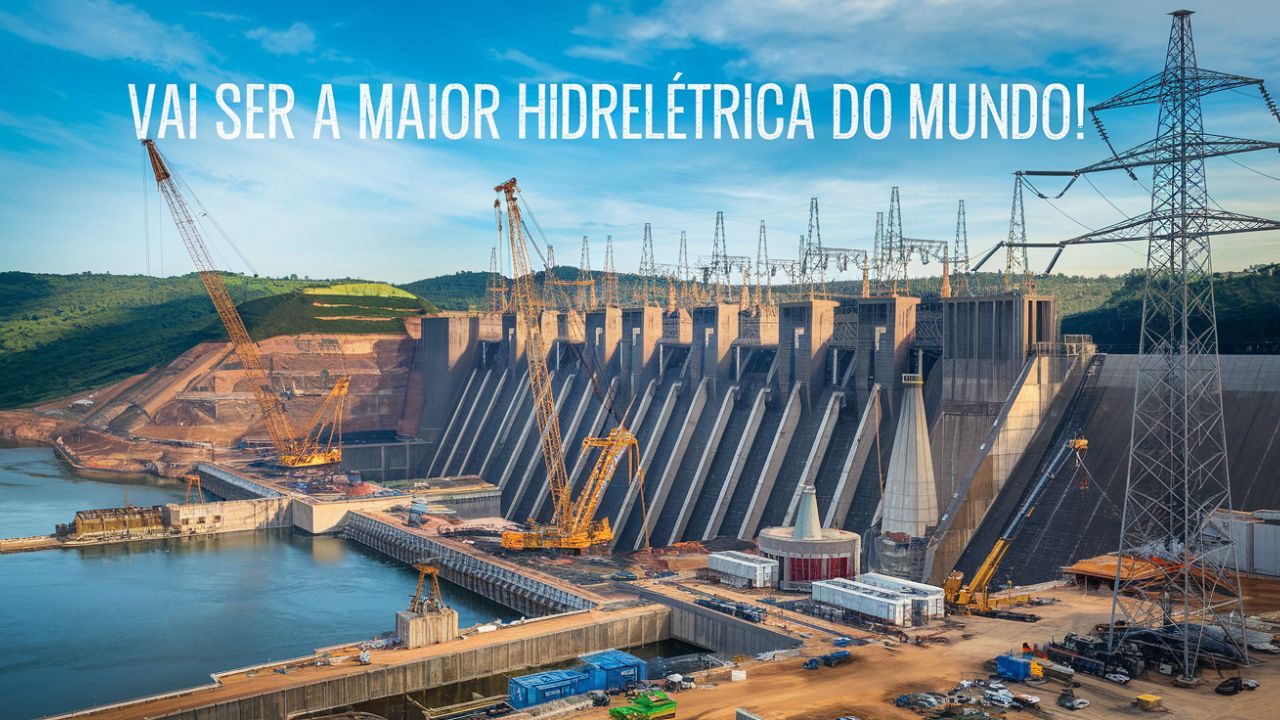


With a Cost of US$ 80 Billion, the Grand Inga Dam Will Be the Largest Hydroelectric Plant in the World, Capable of Generating 40,000 Megawatts and Bringing Electricity to Millions; the Megaproject Will Change Economies and Connect All of Africa.
The Democratic Republic of the Congo (DRC) is about to embark on one of the largest and most ambitious infrastructure projects ever seen. The construction of the Grand Inga Dam, estimated at US$ 80 billion, promises to transform not only the country’s energy sector but also the future of all Africa. With the potential to be the largest hydroelectric plant in the world, this African megaproject is a promise of progress and innovation.
But what makes this megaproject so grand? Imagine harnessing the power of the Congo River, one of the most powerful in the world, and converting this natural force into enough energy to power millions of homes and industries. It sounds like a dream, but it is becoming a reality.
The Grand Inga Dam: A Giant on the Congo River

Located at the Inga Falls on the Congo River, the Grand Inga Dam will be a series of interconnected dams and reservoirs. The plan includes six hydroelectric plants that, together, will surpass any existing megaproject on the planet. To put it in perspective, it will have a generation capacity much higher than the Three Gorges Dam in China and Itaipu in Brazil.
-
Rio de Janeiro Traffic Relief: Long-Awaited Change Promises to Cut 15-30 Minutes from BR-040 Commute, Easing Access to Avenida Brasil.

-
China Installs Massive Domes Over Urban Construction Sites, Blocking Up to 99% of Dust

-
Brazil’s Minas Gerais Government Signs Agreement for Ring Road to Divert Heavy Trucks Away from Urban Center

-
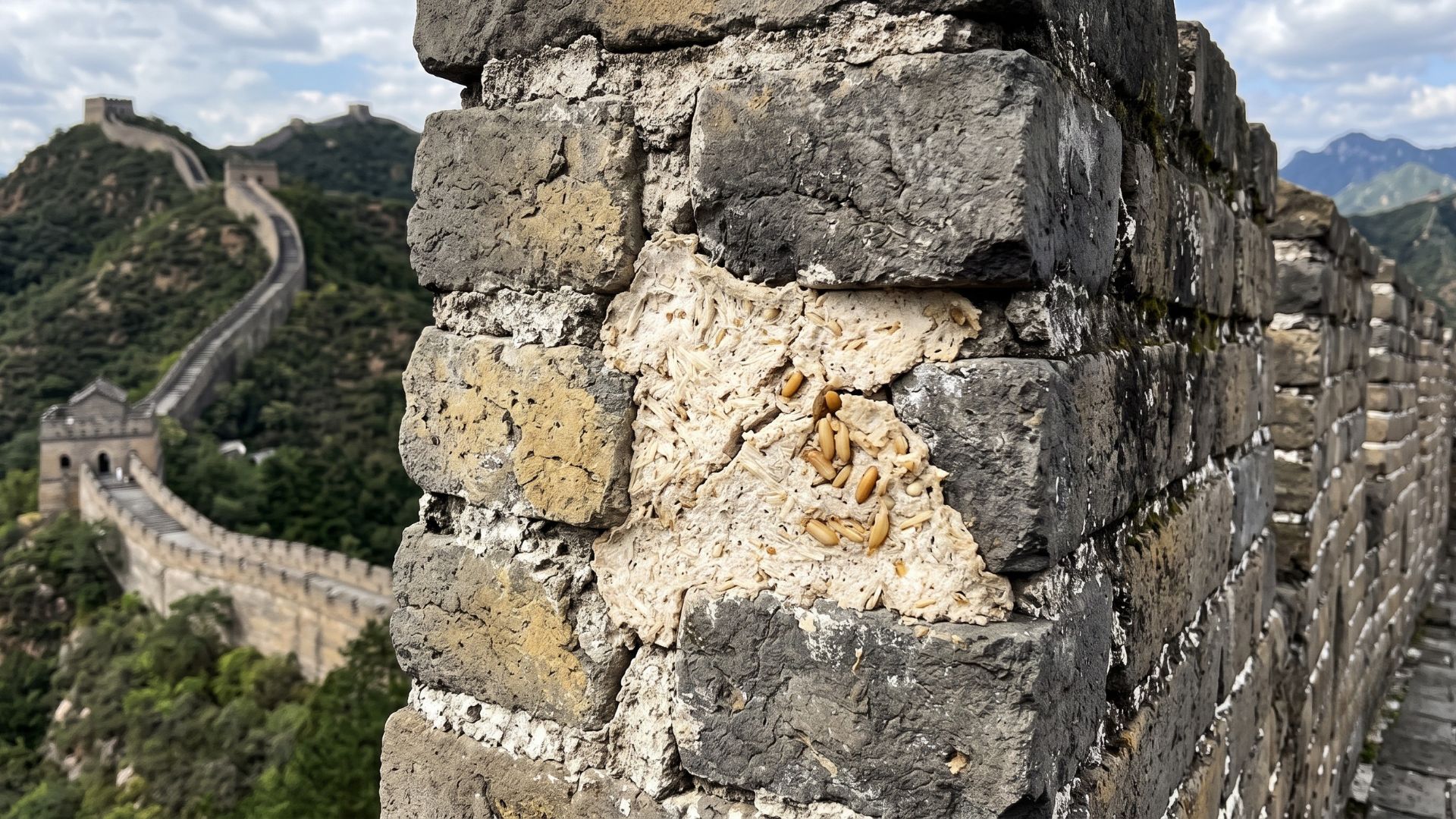
The Great Wall of China was built with a surprising kitchen secret: sticky rice mixed with lime created a mortar so durable it has withstood centuries, earthquakes, and human destruction.



With a projected capacity to produce 40,000 megawatts of energy, the Grand Inga Dam is more than just an ambitious megaproject. It is a solution to the energy crisis affecting over 50% of the African population. Countries such as Nigeria, South Africa, and Egypt have already shown interest in purchasing the generated energy, turning the dam into a driver of economic integration.
Opportunities and Benefits for the African Continent
The Grand Inga Dam promises to end the energy isolation faced by various African nations. Today, many countries experience constant blackouts that hinder economic growth. With the dam, millions of people will have access to electricity, stimulating industries, businesses, and even tech startups throughout the region.
The electricity generated by the megaproject will be distributed through a vast electrical network, creating a new era of cooperation among neighboring countries. Energy exports will open doors to international investments, strengthening the DRC’s position as a leader in the African energy sector.
The Challenges of a Megaproject
With an estimated initial cost of £ 64 billion, the DRC is seeking support from global institutions such as the World Bank and the African Development Bank. Private investors are being invited to participate. However, there are concerns about the actual cost, which could exceed US$ 155 billion, putting the megaproject under intense financial pressure.
Like any large project, the Grand Inga Dam is not without controversies. More than 30,000 people will need to be relocated, raising questions about compensation and human rights. The impacts on the local ecosystem, including unique species from the Bundi Valley, are a constant concern for environmentalists.
The future of the Grand Inga Dam depends on its execution. If successful, it will be a milestone in African history, transforming the DRC into an energy hub. However, obstacles such as corruption, technical challenges, and inadequate financing need to be overcome to avoid the megaproject becoming yet another frustrated dream.