Portuguese
  Spanish


In Santa Catarina, the couple from Vibe de Dois shows the land where the Kombi still serves as a home, while the container house begins with windows, metalon, welding, fence painting, and land study to become a fixed base in the middle of the woods after four years traveling through the Americas.
The couple from Vibe de Dois has entered a new phase on the land in Santa Catarina, after crossing the Americas in a Kombi. Now, the construction of the container house marks the beginning of a fixed base in the middle of the woods, with windows, metalon, welding, and fence painting.
The recorded stage involves simple but decisive tasks: taking care of the grass on the slope, painting the fence, buying windows, cutting metalon, preparing frames, discussing welding, and participating in the first planning meeting for the land. The idea is to transform a 12-meter container into a functional structure for living, cooking, storing tools, and starting a new routine.
After the road, the search for a place to return
The project is born after a long journey. The couple reports that they spent four years exploring the American continent with the Kombi Manezinha, starting from Ushuaia, going up to Alaska, and reaching the Arctic. After this experience, the construction in Santa Catarina appears as a change of cycle.
-
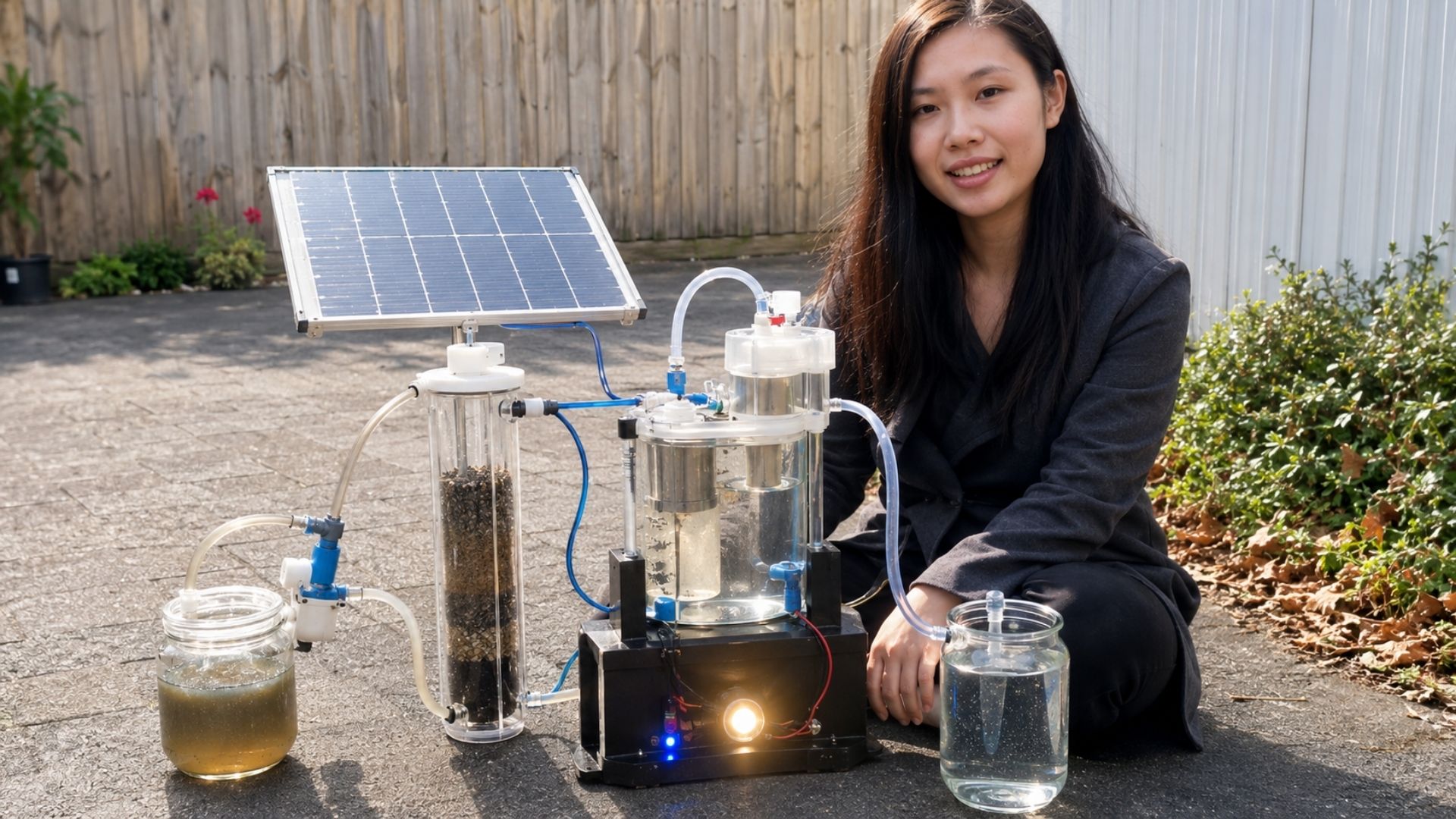
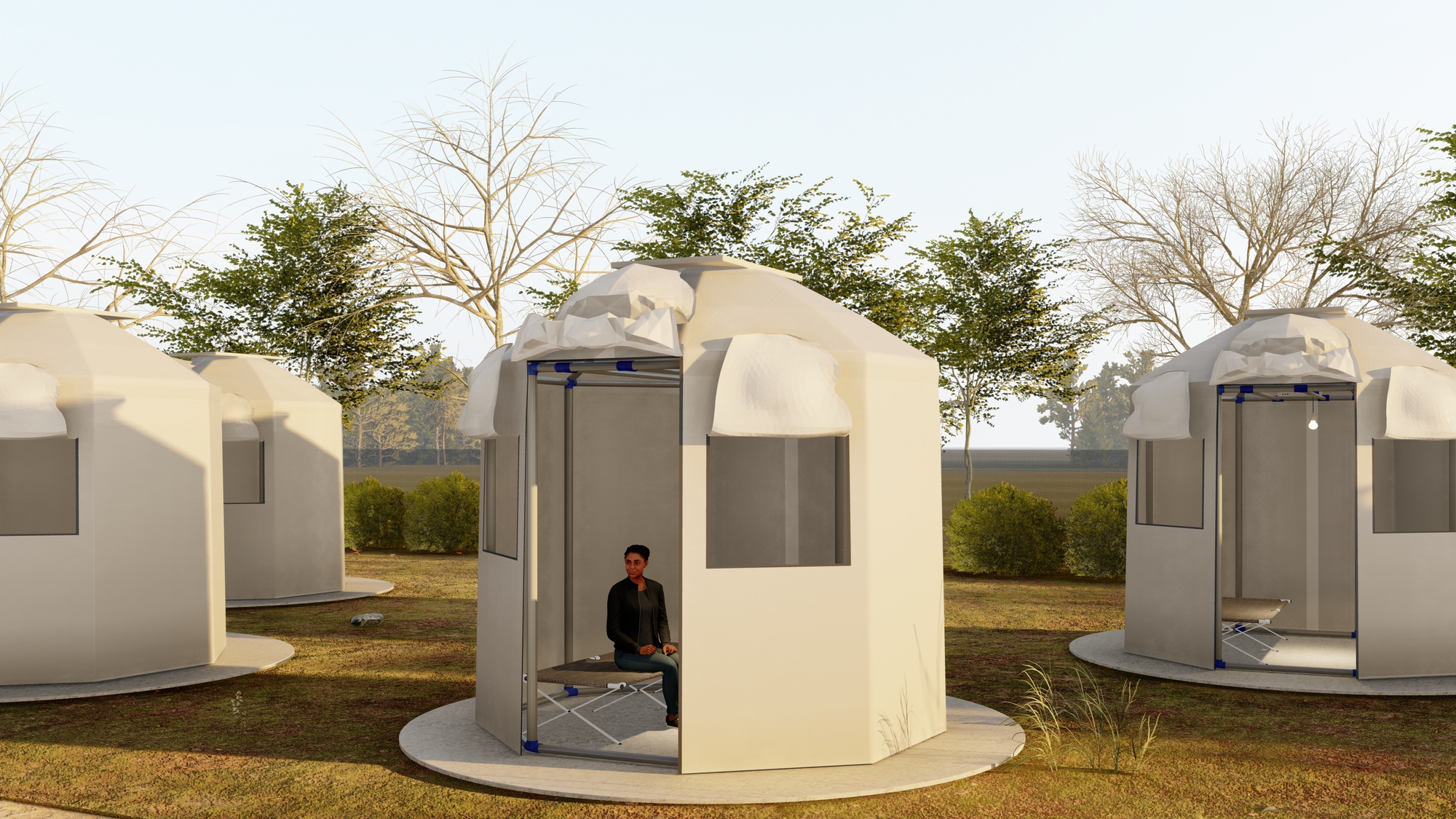
Nigerian Housing Crisis Addressed with Innovative Solution: Architect Builds Solar-Powered Modular Homes from Recycled Waste in Just 4 Hours for Low-Income Families

-
Mushrooms, orange peels, and agricultural waste are being turned into insulation panels for construction, replacing conventional materials with grown rather than manufactured walls.

-
House Built with 1.5 Tons of Recycled Plastic Completed in 10 Days in India, Transforming a Waste Picker’s Life and Tackling Urban Waste

-
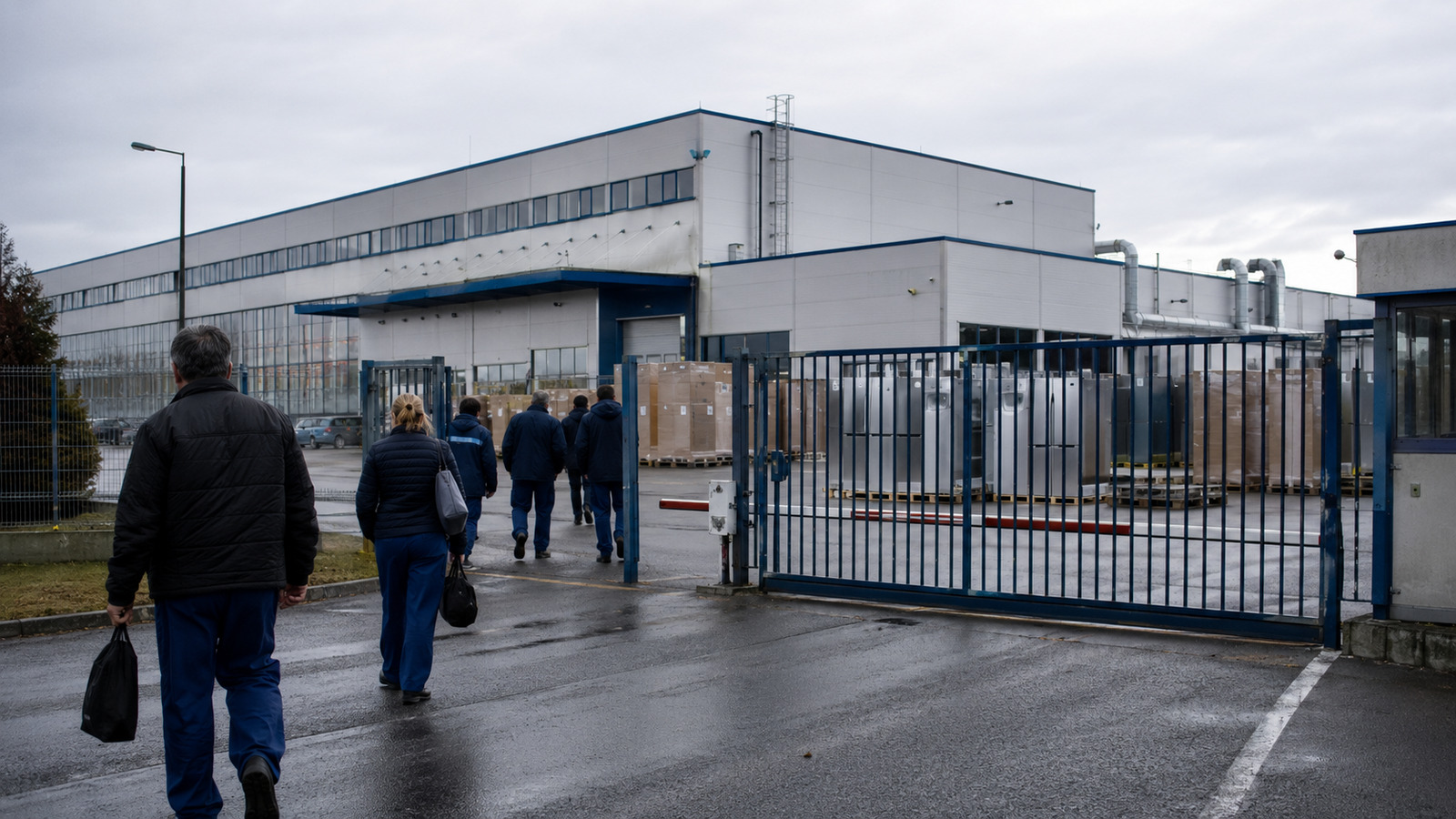
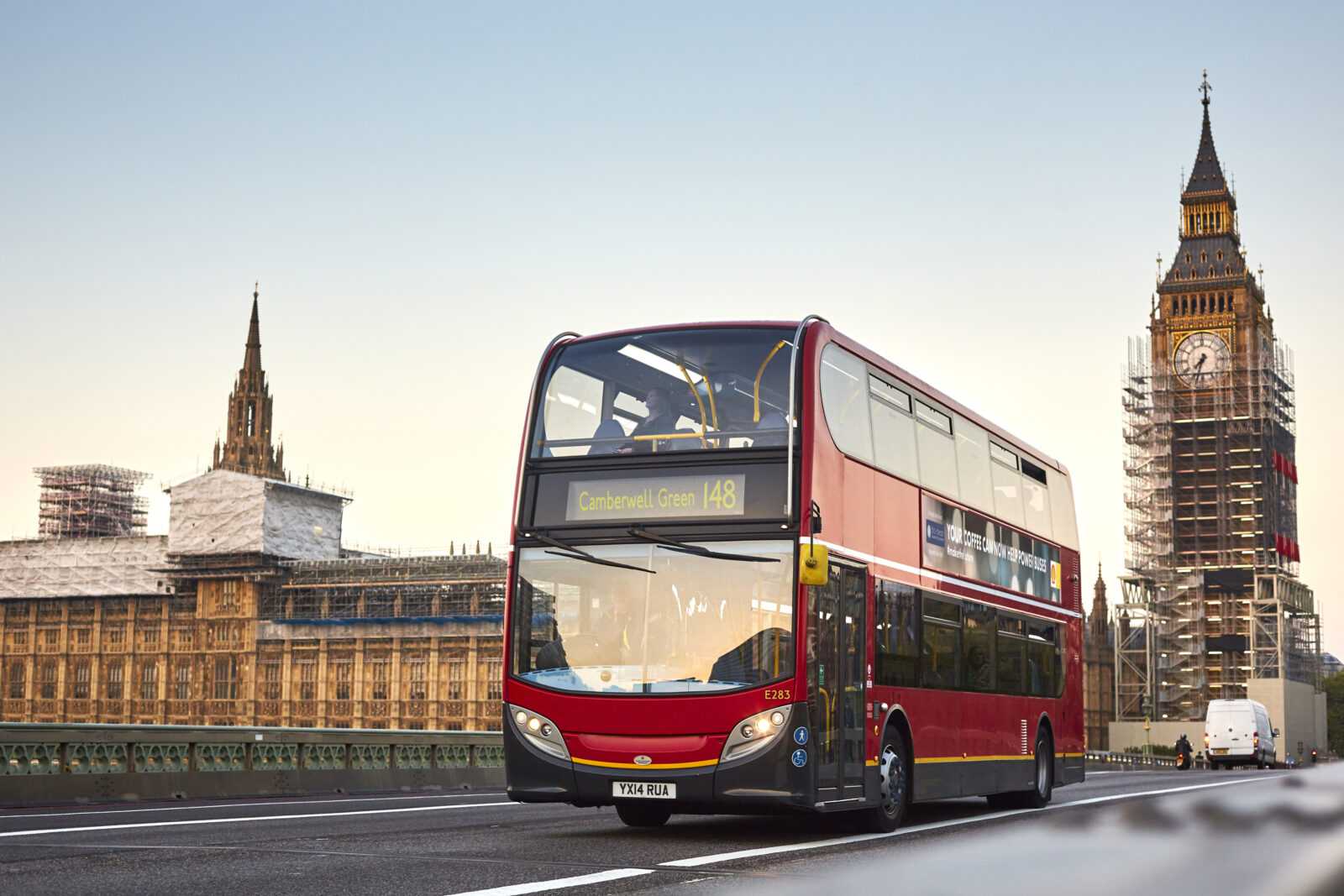
Brightline to Connect Los Angeles and Las Vegas in Two Hours with the First U.S. Electric High-Speed Train, a $12 Billion Project Aiming to Reduce Road Traffic



The proposal is not to abandon the road, but to create a point of return. The refuge is described as a place of peace, a base so they can “fly further and further” and, at the same time, have their own space to return to.
While the container house is not ready, the Kombi continues to serve as a home. They still sleep in the Manezinha, while a temporary structure on the land serves as support to start the construction work.
This transition strengthens the story. The same vehicle that took the couple through different countries now serves as an improvised base to build a new phase of life on rural land.
White fence, new grass, and the first care for the land

Before moving directly to the container, the couple showed care for the external area. The grass applied on the slope was evaluated and received fertigation, a mixture of water and fertilizer, to strengthen growth in a cooler season.
They explain that they have been learning in the process. The hydroseeding of the grass and the fertigation were new to them, but they have become part of the routine for those transforming raw land into a refuge.
The fence also became a priority. The couple bought matte white paint specifically for rural fences, with termite and stain protection, following the visual standard of other plots on the street. The choice of white also aims to create aesthetic unity in the subdivision.
Before painting, they installed anti-crack pieces over the eucalyptus posts to increase the wood’s lifespan. Then, they sanded the boards manually and began painting with a roller and brush, in a task that involved family and reinforcements on the land.
Manual work shows the real side of construction

The routine on the land appears as a sequence of trials, errors, and adjustments. The paint purchased, for example, was not enough to cover the entire fence. The couple calculated that a 16-liter can covered approximately two-thirds of the structure.
Instead of hiding the mistake, they showed the miscalculation and the need to buy more material. They also planned to get more posts and boards to make a 34-meter side fence, calculating 12 eucalyptus posts and 34 boards.
This kind of behind-the-scenes brings construction closer to real life. There is no perfect work, fixed budget, or prior knowledge for everything. At each stage, they learn, correct, and continue to advance.
The phrase that sums up the moment is the logic of taking it slow. The couple emphasizes that, on the land, as in life, many things are done for the first time, with room for error and learning.
12-meter container will be the first house on the land

The most anticipated part is the transformation of the container. According to the couple, the 12-meter structure will be the first house on the land and should also function as a kitchen, base, workshop, and shed.
For now, the container is still in the early stages. It already stores tools, a cabinet, a machete, welding equipment, a motor pump, and a brush cutter. But the first specific pieces for the future house have started to arrive.
Among them are two windows measuring 80 by 80 centimeters, intended for the bedroom, which will be about 2.5 meters long by 2.44 meters wide, corresponding to the width of the container. A smaller casement window was also purchased for the bathroom.
The black windows mark the first visible stage of the container house. They are still small pieces within a large project, but they represent the beginning of the transformation of the “old tin” into a livable space.
Metalon and welding enter the window stage

To install windows and doors in the container, the couple needed to prepare metal reinforcement structures. The technical explanation is simple: when cutting the container walls, the sheet may lose rigidity, so it is necessary to create strong frames.
The solution was to buy metalon bars to assemble the structures around the openings. They purchased three 6-meter bars and two 4-meter bars, which were cut to facilitate transport and frame preparation.
With the help of Tainã, who has more experience in this type of work, the couple took the material to a workbench in Florianópolis. There, the metalons were cut at an angle to form frames suitable for the two bedroom windows and the bathroom casement window.
The welding entered as a stage of alignment and fixation. First, tack welds were made to ensure the frame was squared; then, the structure could be welded definitively before being installed in the container.
Land planning becomes a central part of the project


Besides the physical work, the couple also began studying the general organization of the land. They attended a meeting with the Raiz da Terra office, responsible for presenting the first proposal of the floor plan, zoning, and master plan of the refuge.
The proposal involves deciding where each element will be on the site, considering climate, topography, wind, sun, humidity, summer, winter, and the relationship between areas. The idea is to think before building to avoid regrets later.
This planning is important because the land is large and offers many possibilities. Without prior study, a construction made today could hinder another decision in the future, especially in a project that intends to follow permaculture principles.
The couple emphasized that planning helps to better utilize what the land has to offer. The container house, the outdoor area, the work base, and future structures need to interact with each other so that the refuge functions coherently.
Improvised bath shows that life on the land is still rustic
While construction progresses, the routine remains improvised. On a cold afternoon, with the sun setting early and the temperature around 6°C, the couple showed the difficulty of taking a bath without a hot shower installed.
They bought a portable gas heater, battery-operated, as an alternative to heat water. However, they realized that specific connections were still missing to properly connect the equipment.
Unable to install the system on the same day, the solution was to heat water on the fire and use a self-assembling tent as a shower cabin. The structure, already used during years on the road, served again as a temporary resource.
This detail reinforces that the container house is still far from ready. The refuge starts with provisional solutions, cold, scattered tools, and much adaptation before achieving definitive comfort.
From Kombi to container, the project mixes travel and roots
A story of the couple draws attention because it unites two opposing movements: the nomadic life of the Kombi and the creation of a fixed base in Santa Catarina. After years on the move, they now deal with fences, grass, windows, metalwork, welding, and territorial planning.
Even so, the spirit of travel remains present. The refuge does not appear as the end of the adventure, but as a support point for new phases. The idea is to have a place for return, rest, work, and preparation for the next steps.
The container house will be part of this new lifestyle. Initially, it should function as a kitchen, workshop, shed, and base. Later, with doors, windows, bodywork treatment, and interior work, it may gain characteristics more akin to a dwelling.
In the end, the project shows that building a house can also be a journey. And you, do you find it more inspiring to live years on the road or to create a fixed base in the middle of nature to continue exploring the world with more structure? Share your opinion.