






 Portuguese
  Spanish


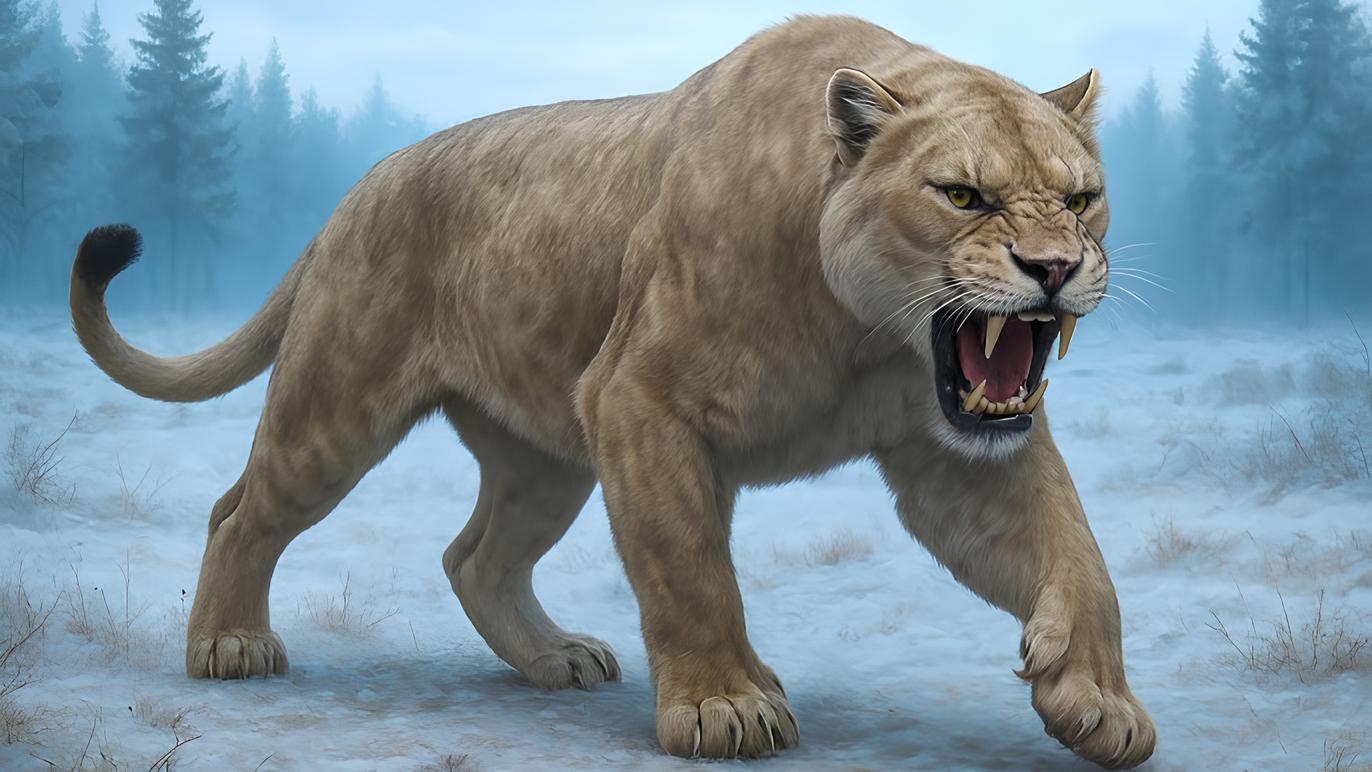


Panthera Atrox, The American Lion, Could Weigh Up to 420 Kg, Measure More Than 3.5 Meters and Surpassed Modern Lions and Tigers in Size and Strength.
When it comes to large feline predators, names like African lion and Siberian tiger dominate the popular imagination. However, both fall behind when compared to the Panthera atrox, known as the American lion. This extinct animal, which lived in North America during the Pleistocene, is considered by many researchers to be the largest terrestrial feline that ever existed, surpassing all modern big cats in body mass, length, and structural robustness.
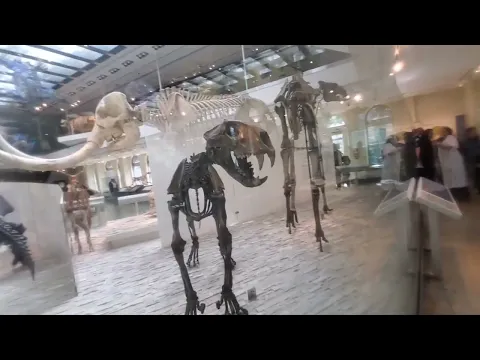
Fossil remains found primarily in the United States, such as complete skeletons at sites in California, Alaska, and the American Midwest, reveal a colossal predator, adapted to face gigantic prey in an environment dominated by the megafauna of the Ice Age.
Dimensions That Redefine the Maximum Size of a Feline
The most accepted estimates indicate that the Panthera atrox could reach up to 420 kg, with some individuals possibly exceeding this mark.
-
Unknown Molecule Possibly Detected on Pluto and Titan by James Webb Telescope

-
Global Population Estimates May Be More Inaccurate Than Thought: Study Finds Rural Areas Underestimated in 35 Countries, Sparking Debate Over Earth’s 8.2 Billion Inhabitants
-
From Space, a “Great Solar Wall” Spans 400 km of China’s Kubuqi Desert, Transforming the “Sea of Death” with Giant Panels to Combat Sandstorms and Revitalize the Land

-
New Study Finds Brief Stress Episodes Can Alter Blood and Increase Risk of Clot Formation


Its total length, from head to tail tip, was estimated to be over 3.5 meters, making it visibly larger than any modern African lion and even larger than the Siberian tiger, currently the largest living feline.
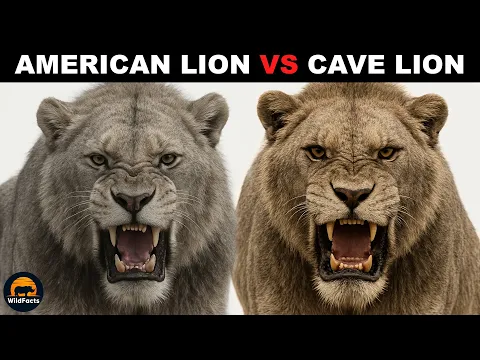

While a male African lion rarely exceeds 250 kg and an exceptional Siberian tiger can reach about 300 kg, the Panthera atrox operated on another biological level. Its long bones, especially femurs and humeri, indicate an extremely robust structure, designed to support a heavy body and apply brutal force during hunting.
Strength, Musculature, and Predatory Capacity
The size of the American lion was not just aesthetic. It translated into extraordinary muscular strength, with a powerful bite and forelimbs capable of taking down prey much larger than those hunted by modern big felines.
Biomechanical studies suggest that its pectoral and cervical musculature was especially developed, allowing it to efficiently immobilize large animals.
This feline lived during a period when North America was inhabited by giant bison, primitive wild horses, American camels, giant sloths, and even juvenile mammoths.
Unlike modern lions, which often hunt in groups, there are indications that the Panthera atrox could operate both solitarily and opportunistically, using ambush tactics and brute strength to subdue colossal prey.
Where The Panthera Atrox Lived and What Its Environment Was Like
The American lion inhabited vast regions of North America, from areas now covered by temperate forests to open plains resembling cold savannas.
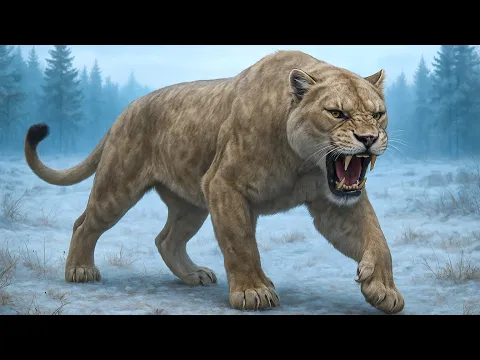
During the Pleistocene, the climate was more unstable, alternating between glacial and interglacial periods, which favored an impressive diversity of large herbivores.
This environment required equally large and adaptable predators. The Panthera atrox coexisted with other giants, such as the saber-toothed tiger Smilodon fatalis and the giant bear Arctodus simus, competing directly for prey and territory. The fact that it survived and spread widely suggests that it was at the absolute top of the food chain.
Direct Comparison With African Lion and Siberian Tiger
The comparison between the Panthera atrox and the largest modern felines helps to gauge its impressiveness. A modern African lion, even in its most robust form, has a slimmer body and lower bone density. The Siberian tiger, although heavier and solitary, still falls short in total length and body volume.
In addition to its superior weight, the American lion had wider proportions in the chest and limbs, indicating greater physical power, although possibly with lower maximum speed.
In a hypothetical confrontation, the Panthera atrox would have a clear advantage in brute strength and endurance, reflecting adaptations to a world dominated by megafauna.
Why The Largest Feline In History Went Extinct
Despite its supremacy, the Panthera atrox disappeared around 11,000 years ago, coinciding with the end of the last Ice Age. The extinction of North America’s megafauna drastically reduced the availability of large prey, directly affecting predators specialized in large animals.
Additionally, the expansion of early human groups across the continent introduced new pressure factors, such as direct hunting and competition for resources.
The combination of rapid climate changes, ecological collapse, and human action created an unsustainable scenario even for the largest feline that ever existed.
The Legacy of Panthera Atrox in Science and Human Imagination
Today, the American lion occupies a central place in studies of evolution, gigantism, and biological limits of terrestrial predators. It represents the evolutionary pinnacle of felines in terms of size and strength, a true biological ceiling that has never been reached again.
For science, the Panthera atrox helps to understand how ancient ecosystems supported such large animals and why similar structures are rare in today’s world. For the public, it symbolizes a lost era, where giant predators dominated entire landscapes and redefined the concept of “top of the food chain.”
Even extinct, the largest feline that ever existed continues to fascinate, reminding us that nature has produced creatures far beyond what we see today and that the planet has already been the stage for predators that would make any modern lion seem small.


