Portuguese
  Spanish


Excessive Heat Kills More Than 550 Pilgrims During Hajj in Mecca. Extreme Temperatures Reach 51.8ºC. Discover the Details of This Tragic Event and How Pilgrims Faced This Adversity
The recent annual Muslim pilgrimage to Mecca, known as Hajj, was tragically marked by a wave of excessive heat that claimed the lives of more than 550 pilgrims. Temperatures reached 51.8ºC in the shade of the Grand Mosque, according to Saudi state media reports on Monday.
Devastating Impact of Excessive Heat
Diplomats confirmed the deaths of at least 550 people during the Hajj. Among the deceased, 323 were Egyptians, most of whom succumbed to heat-related illnesses. Additionally, there were reported deaths of 144 Indonesian citizens, 35 Tunisians, 41 Jordanians, and 11 Iranians.
Extreme Conditions
The Hajj, which began on Friday, is an annual pilgrimage that millions of Muslims undertake to Mecca to perform the religious rites taught by the Prophet Muhammad 14 centuries ago. This event is known for attracting hundreds of thousands of pilgrims from low-income nations, many of whom do not receive adequate medical care before the Hajj. The April edition of the Journal of Infection and Public Health mentioned that communicable diseases can spread among the gathered masses, which include many elderly pilgrims with pre-existing health conditions.
-
A Brazilian city decided to purchase a piece of the Atlantic Forest with more than 153,000 square meters, and owners of preserved areas will be able to submit proposals to transform the forest into a conservation unit.

-
Brazilian siblings aged 11 and 7 read 240 books in just one year and caught attention on social media: while many children spend hours on screens, they turned their family’s routine into an example of reading, discipline, and curiosity.
-
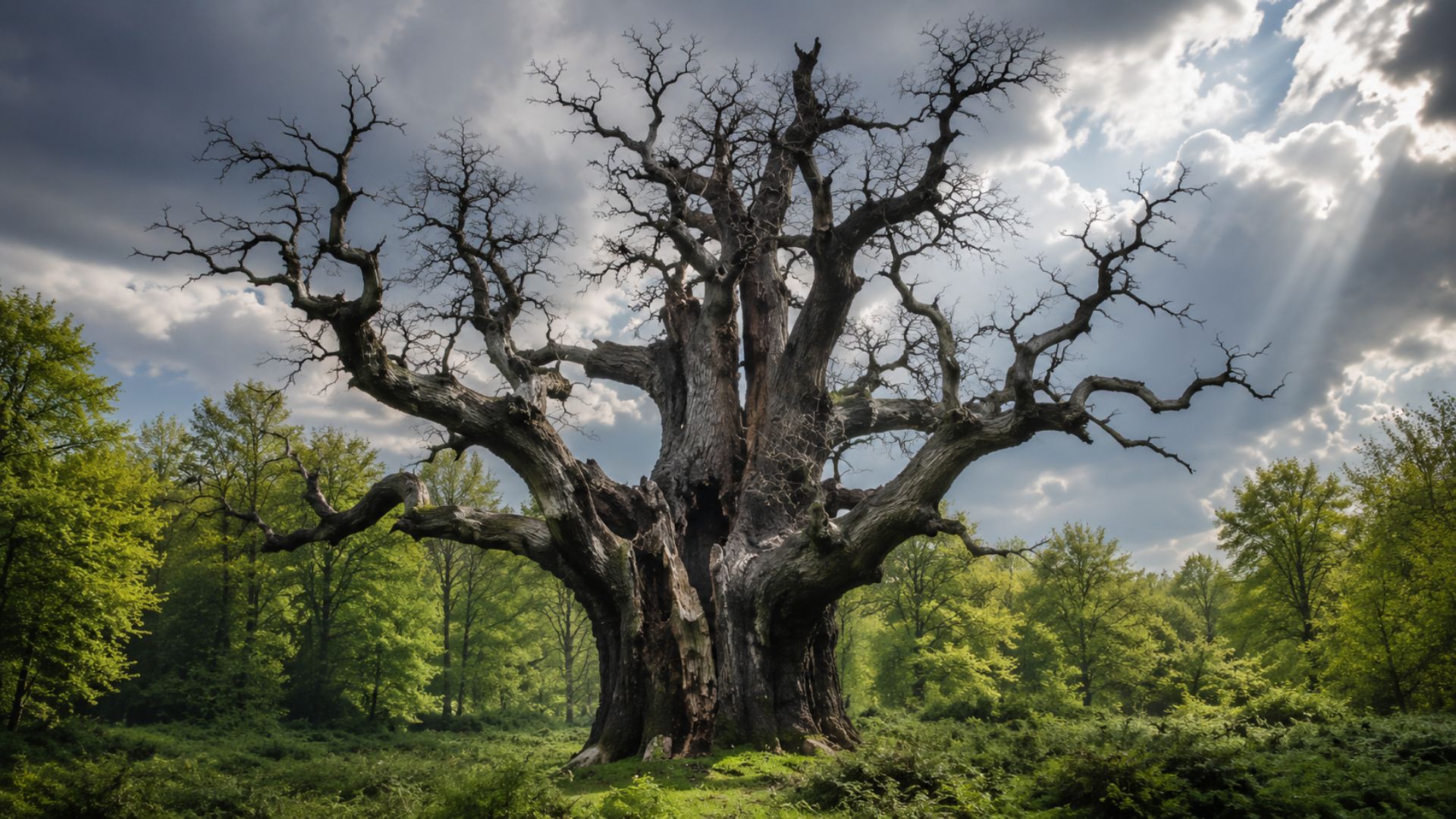
The legendary oak that, according to the story, hid Robin Hood from the Sheriff of Nottingham, died at the impressive age of 1,200 years in England, and the first chilling sign of its end was that no leaves sprouted on the tree this spring.

-
While the world looks at forests, the UN warns that the Earth is also threatened by the silent degradation of natural grasslands and savannas, ecosystems that cover half of the planet, support billions of people, and can exacerbate water, food, and climate crises.

This year, the high number of fatalities suggests that extreme temperatures were a determining factor. Countries like Jordan and Tunisia confirmed that some of their pilgrims died due to the intense heat.


Additional Challenges
In the past 30 years, the Hajj has seen incidents such as stampedes, tent fires, and other accidents that caused the deaths of hundreds of people. Despite efforts to mitigate these risks, extreme weather conditions have proven to be a significant challenge.
A 2024 study published in the Journal of Travel and Medicine warned that rising global temperatures could outpace strategies for managing excessive heat. Pilgrims have used umbrellas to shield themselves from the sun, and Saudi authorities have emphasized the importance of staying hydrated and avoiding being outdoors during the hottest hours of the day, between 11 AM and 3 PM.
“Performing Hajj is a difficult task; you have to push yourself and carry out the rituals even in conditions of heat and crowds,” commented an Egyptian pilgrim.
The Hajj, one of the largest mass gatherings in the world, is a duty that every Muslim must fulfill at least once in their lifetime, if they have the physical and financial capacity to do so. This year, more than 1.8 million Muslims performed the Hajj, including over 1.6 million pilgrims from 22 countries.
The tragic loss of life during the Hajj of 2024 underscores the urgent need for improved strategies to protect pilgrims from extreme weather conditions. The combination of the unwavering faith of the pilgrims and the challenges posed by climate change requires ongoing attention and innovative solutions to ensure the safety of all participants in this sacred event.