






 Portuguese
  Spanish


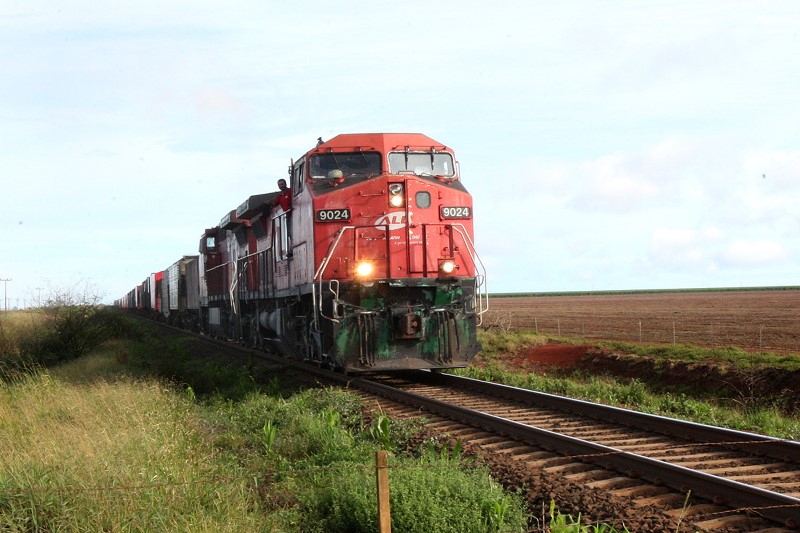

Brazilian Railway Network: The Key to Unlocking Railways in Brazil Would Be the PLS 261/2018 from the Federal Government?
In summary, the Federal Government’s Bill No. 261/2018 was formalized by Senator José Serra (PSDB-SP) and allows the private sector to construct and operate railway networks and their railways by authorization from the Government preceded by a public call, without following the bidding process to acquire the railway concession.
Read Also
More than 30% of the railway tracks in Brazil are unused. Another 23% are inoperable. The data comes from the National Land Transportation Agency (ANTT). In order to reverse this situation, the legal framework for railways (PLS 261/2018) is currently in the Federal Government Senate. The new feature presented in the bill is the authorization modality for exploration of the network by the private sector, in which a company can use existing railways and build new ones.
With the Privatization of the Railway Network and Approval of the New PLS from the Federal Government, Old Railways Could Be Redesigned in Brazil
For freight rail transport, from the perspective of having more transport options and competition in freight with other modes, especially road transport (which is predominant in the country), it is beneficial. The producing company increases its range of choices for which mode to use. Depending on where a truck goes, it can save up to four days of travel by rail.
-
Brazil to Issue “Panda Bonds” in China, Aiming to Raise Up to 5 Billion Yuan at Lower Interest Rates Than Dollar Debt
-
NATO Faces Internal Tensions as U.S. Pushes for Increased Defense Spending, Targeting 5% of GDP by 2035, with Warnings for Countries Near 2% Level

-
Brazil to Introduce B16 Diesel with Increased Soybean Oil Content for Trucks by 2026
-
Brazil’s July Bolsa Família Payments May Include Extra $150 and $50 for Families with Children, Pregnant Women, and Updated CadÚnico Registration


It becomes even easier for the contractor and the road transport provider – who will be able to make more freight trips with the time saving they will acquire, having more time for rest, since the routes will be designed by the company. Regarding costs, the contractor will save money. A very simple example: if the road transporter, a truck driver, travels 1,200 km for solid bulk transport, the transportation cost would be R$ 222.04. Now, if rail transport covers 1,200 km, the cost will be R$ 101.79¹ (considering the same routes, with the rail distance tending to be even shorter).
Unlocking Brazil’s Logistics with the New PLS from the Federal Government and the Privatization of Railways
Regarding countries of similar size to Brazil, in terms of railway networks, Brazil is falling behind, as investments in countries like Canada, Australia, and the United States use over 40% of their total cargo transported by rail.
Russia stands out, using over 80% of its railway network for transporting its cargo.
Currently, Brazil uses only 20% of its railway capacity; lack of investment, management issues, and outdated logistics are some of the main reasons for the lack of investments and underutilization of Brazilian railways.







