Portuguese
  Spanish


Dubai is Facing a Major Environmental Challenge With an Ambitious Coastal Regeneration Project. The Goal Is to Restore and Protect 72 km of Coastline With the Construction of Mangroves, Using Cutting-Edge Technology to Combat the Impacts of Climate Change and Preserve Local Biodiversity.
In recent years, rising sea levels and coastal erosion have threatened various regions around the world. In Dubai, the situation is no different, and the need for innovative solutions has become urgent. Thus, the Dubai Mangroves Project was born, an initiative that combines advanced technology and nature to create a sustainable future.
Mangroves are essential for coastal protection. They act as natural barriers against storms and erosion, as well as capturing large amounts of carbon dioxide, helping to combat global warming. However, these forests are in decline due to urban expansion and pollution.
The Dubai Mangroves Project Is the Largest Coastal Regeneration Effort in the World
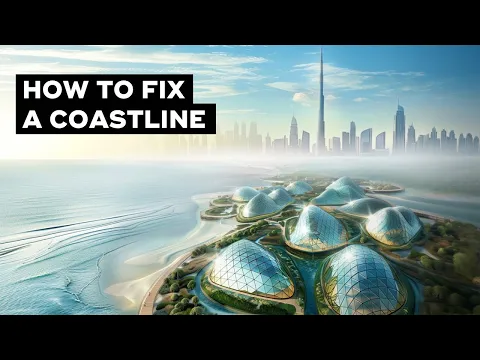

It envisions planting 100 million mangrove seedlings along 72 km of Dubai’s coastline. Technology plays a crucial role in this ambitious plan:
-
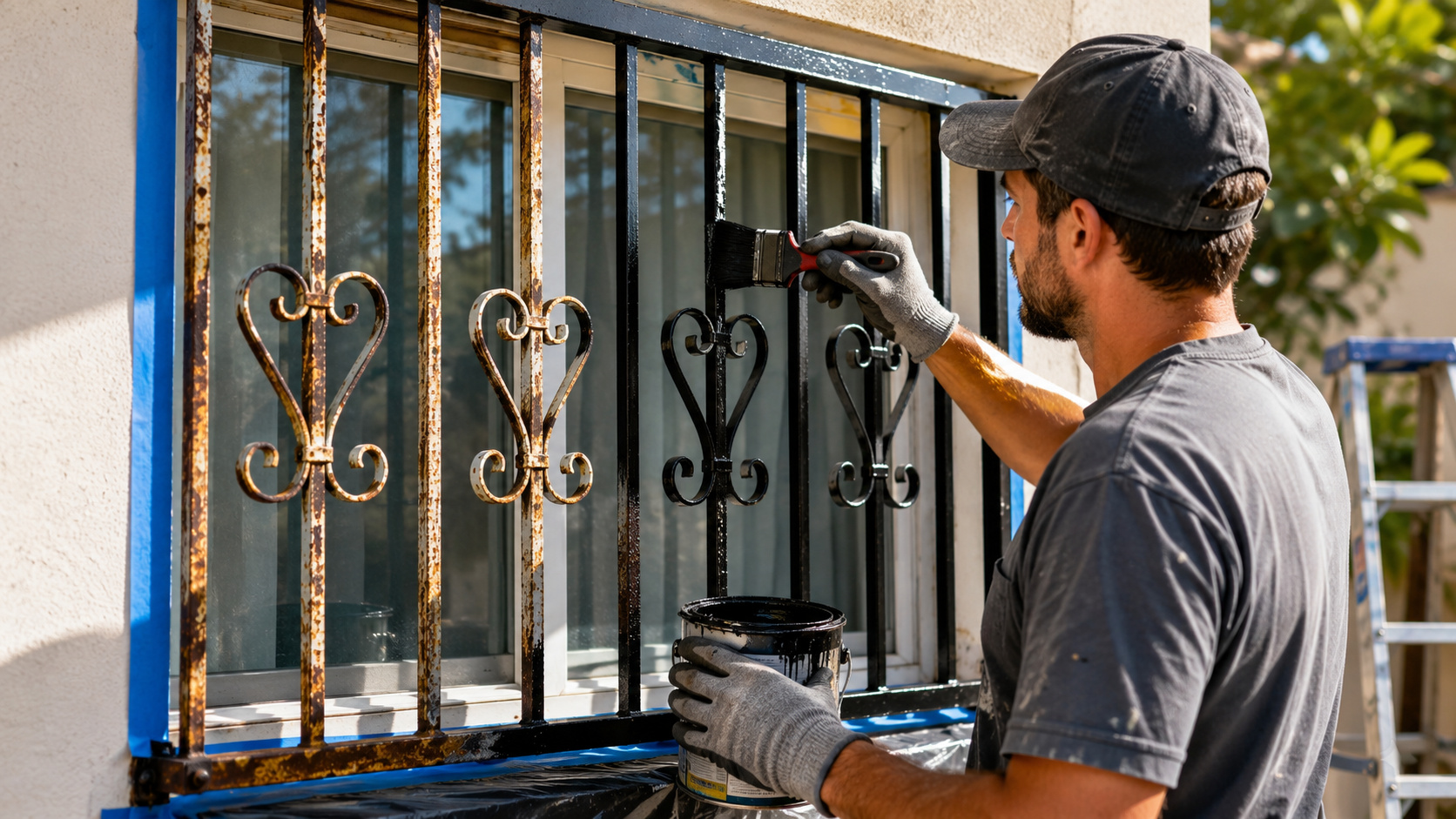
Simple Technique to Restore Rusty Metal Window Grilles Gains Attention for Revitalizing Old Structures Without Full Replacement

-
Couple Transforms Suffolk’s Last 1891 Windmill into Luxurious Four-Story Home with Zinc Observation Room in England

-
Father and Son Build 97 cm Thick Circular Stone House in Brazil, Inspired by Scottish Architecture, Creating a New Agrotourism Hub
-
Sweden Removes 200-Ton Concrete Gallery to Restore Pjältån River’s Natural Flow in Europe’s Largest Aquatic Restoration Project



Drones equipped with special mechanisms will plant mangrove seeds with surgical precision. These drones can cover large areas quickly, ensuring that seeds are planted in the most suitable locations for their growth.
The health and growth of the mangroves will be monitored through satellite images and artificial intelligence (AI) in Dubai. This will allow scientists to track the development of the forests and make adjustments as necessary to ensure the project’s success.
The Project Also Includes the Creation of Parks and Social Areas Within the Mangrove Forests, Providing Leisure Spaces for Residents and Tourists.
This project is not just about planting trees. It seeks to create a vibrant ecosystem that will benefit both nature and people. Among the main benefits are:
It is estimated that the project will generate around 10,000 green jobs, promoting sustainable development in the region. With the regeneration of the mangroves, Dubai will be able to attract more tourists interested in ecological activities, strengthening the local economy.
Mangroves Are Important Habitats for Various Marine Species and Birds. Regeneration Will Help Protect These Species and Maintain Biodiversity.
The Dubai Mangroves Project is part of the Dubai 2040 master plan, which aims to make the city one of the most resilient and sustainable in the world. This project sets a new standard for sustainable urban planning, showing how cities can balance environmental needs with urban development.
In addition to mangroves, the project will also include the restoration of seagrass beds and coral reefs, creating a continuous oasis of marine biodiversity. This integrated approach will ensure that Dubai protects and values its coastal and marine ecosystems.
The Dubai Mangroves Project is an innovative initiative that demonstrates the city’s commitment to sustainability and environmental preservation. By using advanced technology to restore and protect its coastline, Dubai is leading the way toward a greener and more resilient future.