Portuguese
  Spanish




The Mapa Conecta Brazil Launches an Initiative That Unites Digital Agriculture, Agricultural Innovation, State Ecosystem, Bioinputs, and Rural Connectivity to Boost the Sector Across the Country
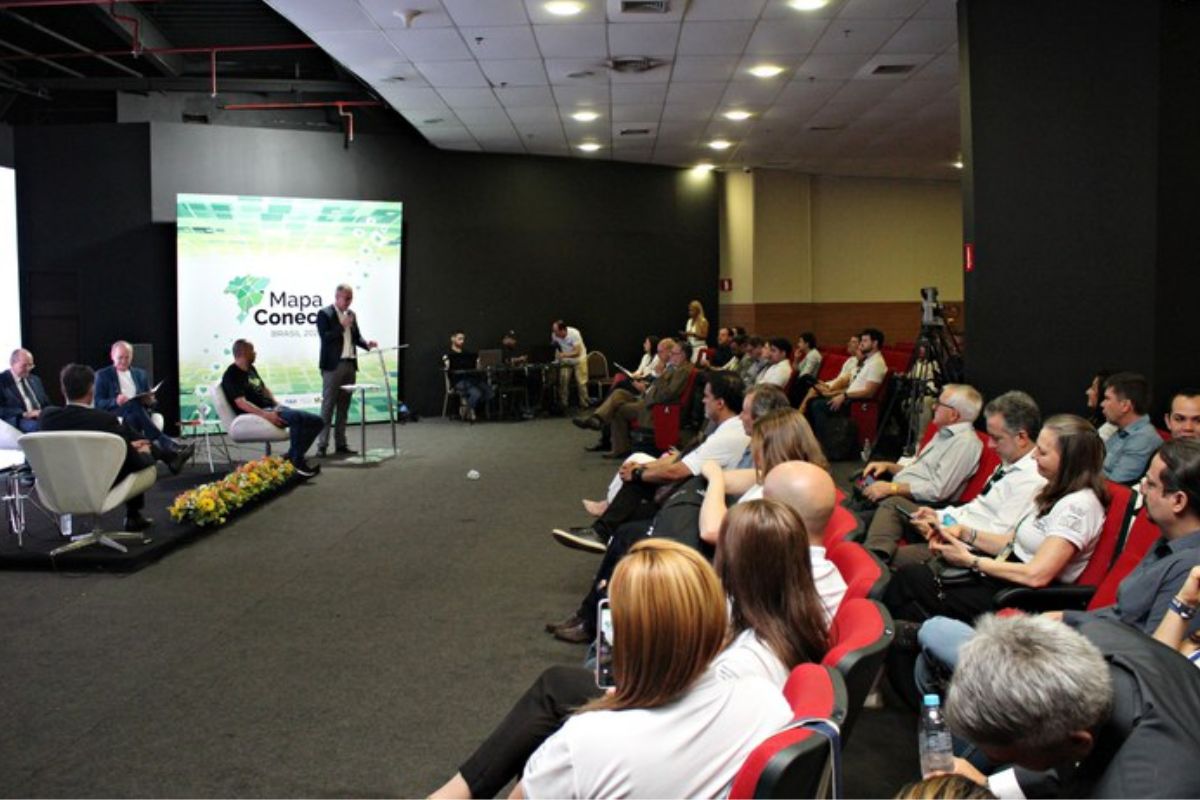
The Mapa Conecta Brazil was officially launched on October 8, promoting an unprecedented meeting between different sectors focusing on agricultural innovation, according to a report published.
The event, held in Brasília (DF) as part of the Curicaca Festival, brought together representatives from state innovation ecosystems, investors, researchers, startups, and public agencies.
The initiative aims to foster the competitiveness of agribusiness and bridge technologies and regional demands.
-
India’s Sugar Export Cuts and Ethanol Shift Amid El Niño Threat Could Impact Global Prices and Stocks

-
Quarantine Pest Threatening Palm Trees Puts Brazilian Authorities on Alert, Prompts Monitoring at University of Taubaté and Potential Control Measures Across São Paulo
-
Global Alert: Report Finds 159 Pesticides in Coffee Beans Sold in Europe, Posing Serious Risks to Millions of Farm Workers
-
Green Roofs on Homes Gain Popularity for Reducing Heat, Noise, and Rain Impact in Brazil



State Ecosystem of Agricultural Innovation and Rural Connectivity
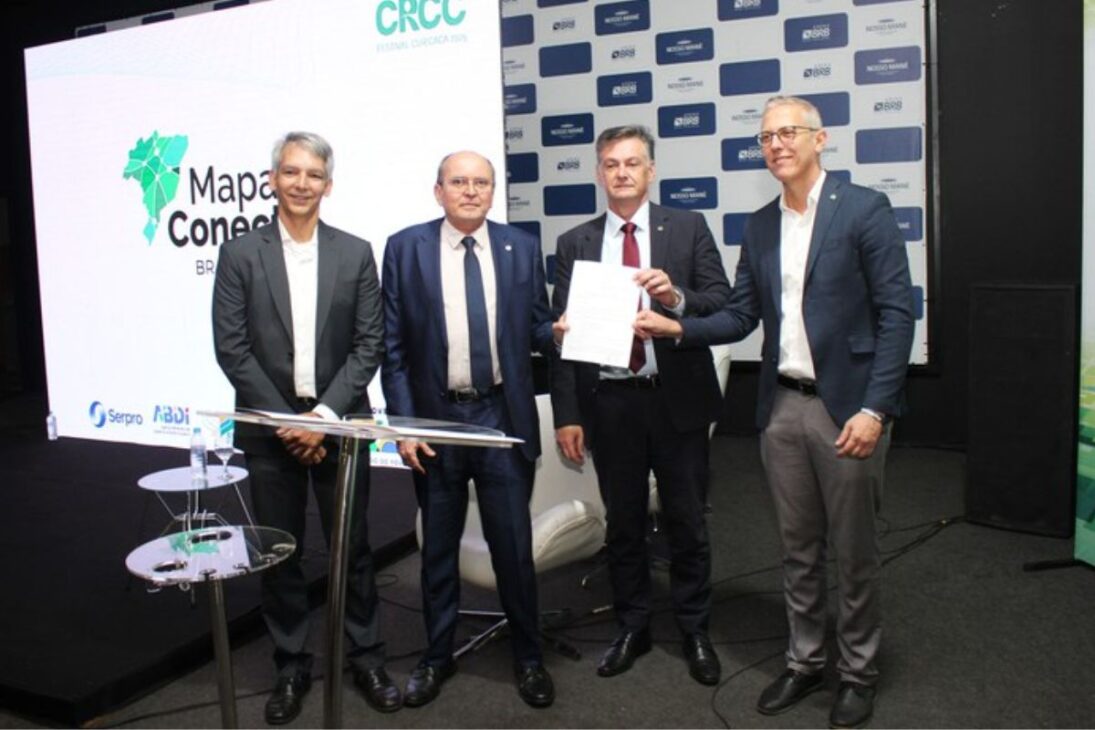
During the opening, there was a presentation of the National Program for Open Innovation in Agriculture – Mapa Conecta, followed by the symbolic signing of the Ordinance that officializes the program.
Authorities such as João Crescêncio (Deputy Secretary of Innovation of Mapa), Marcelo Fiadeiro (Director of Diagro), Alessandro Cruvinel, Sibelle Silva (Advisor at Embrapa), Márcio Muniz (Vice-Rector of UnB), and Marcelo Gavião (Director of Innovation of the Festival) were present.
The goal of the Mapa Conecta Brazil initiative is to strengthen the state ecosystem of agricultural innovation, stimulating local innovation and promoting rural connectivity between under-served regions.
The operation of this ecosystem includes partnerships between state governments, universities, businesses, and startups with support for digitalization.
Digital Agriculture, Practical Technology, and New Foods Are Part of the Mapa Conecta Brazil
In the programming until October 10, topics such as digital agriculture, practical technology, and new foods were addressed.
On the first day, the panels focused on agricultural innovation and digital agriculture, highlighting the importance of technological platforms for the field.
On the second day, the pre-launch of the Agricultural Innovation Platform – Mapa Conecta was anticipated, developed in partnership with Serpro, to facilitate collaboration networks.
In parallel, issues regarding new foods are incorporated into the discussions on bioeconomy and biotechnology, connecting to the overarching goal of sector diversification and value addition.
Bioinputs, Agrobiodiversity, and Genetic Resources Policies
On the third day of the event (10), the debate will focus on bioinputs, agrobiodiversity, and genetic resources policies through the 5th edition of BioInova.
The new BioInova Ignite call for pre-acceleration of bioinput solutions and the launch of the National Network of State Ecosystems of Agricultural Innovation were announced.
These efforts from the Mapa Conecta Brazil aim to stimulate sustainable development in agribusiness, reducing reliance on external inputs and leveraging Brazil’s biological diversity.
The forecast for incentives and financing can generate opportunities for startups and research institutions.
Sector Integration, Public-Private Partnerships, and Regional Impact
The Mapa Conecta Brazil event promotes integration between the public, private, and academic sectors.
The presence of agencies such as Serpro, ABDI, and the Ministry of Agriculture plays a central role in developing strategic partnerships.
By connecting innovation, connectivity, and bioeconomy, the program creates foundations for cooperative networks at the regional and national levels.
The approach between investors, startups, and state governments tends to accelerate technology transfer and the scaling of solutions for local demands.
This strengthens the agribusiness across different biomes and states, promoting significant regional impact.
The Mapa Conecta Brazil, officially launched on 10/08/2025 and scheduled to conclude on October 10, 2025, emerges as a structuring initiative for the future of innovation in agribusiness.
The programming, which includes panels, pre-launches, and calls for bioinput projects, brings sectors closer and drives digitalization and the strengthening of local ecosystems.
With this, it is expected that technology, connectivity, and sustainability will come together to transform the Brazilian productive environment.