Portuguese
  Spanish


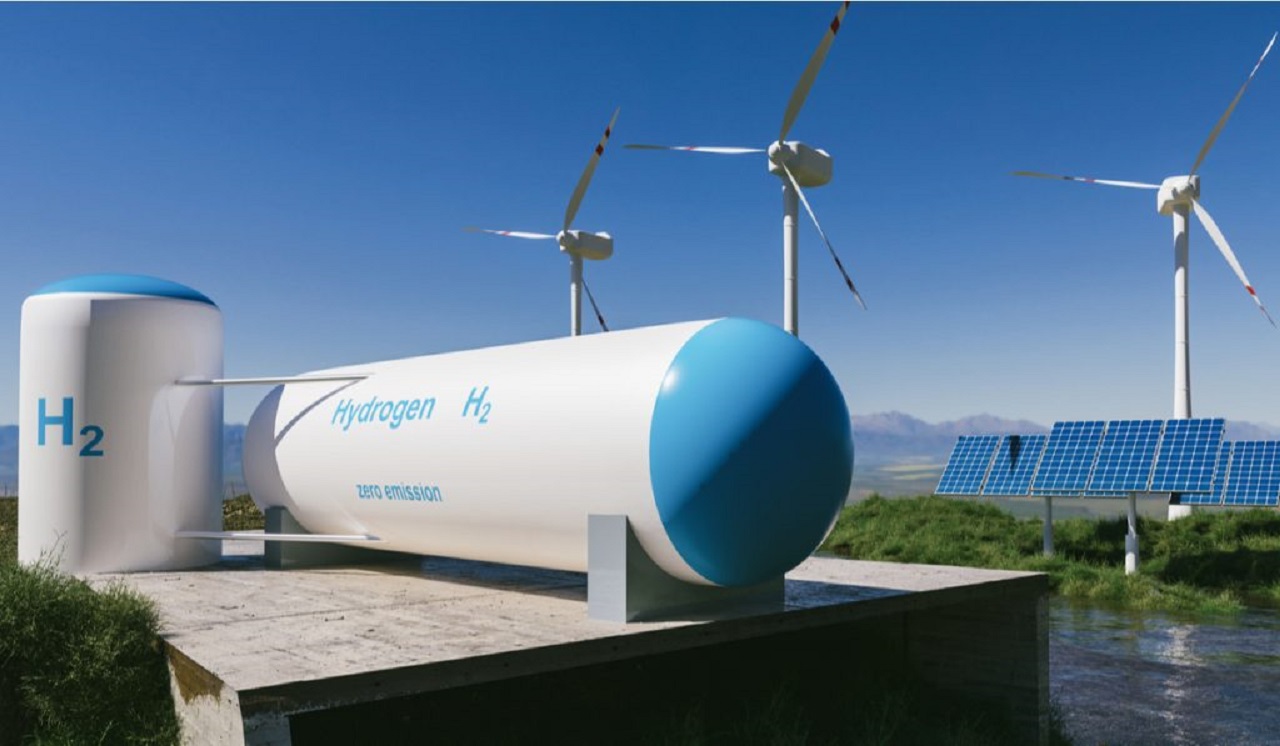

Researchers from the University of São Paulo (USP) Will Install a Green Hydrogen Production Machine That Will Use Ethanol as Raw Material and Produce Fuel for Three Buses on Campus
With global warming concerning everyone, green hydrogen emerges as a potential energy solution, alongside other sources of renewable energy, such as solar, wind, biomass, and others. The fuel of the future is not found in large quantities in nature and has to be produced through technology, leading researchers from various sectors and energy companies to work together in search of the fuel. Today’s highlight goes to the University City of the University of São Paulo (USP), which announced on Monday (2) that it will receive a green hydrogen production machine powered by ethanol within a few months.
USP Initiative Aims to Produce Green Hydrogen from Ethanol or Water
According to Marcos Buckeridge, a leading scientist in the bioenergy sector and one of the coordinators of the Research Center for Innovation in Greenhouse Gas, the hydrogen production machine will be installed near the Olympic rowing venue in about six months.
Buckeridge states that this is the first phase of the planning, and shortly after, three buses from USP will be prepared to be powered by the renewable fuel. The university researcher also emphasizes that the significant innovation of the initiative is that ethanol will be the raw material used to obtain the fuel, which will power the buses around the University City campus in Butantã, west side of São Paulo.
-
Brazilian scientists are simultaneously advancing two research projects on clean hydrogen and driving solutions that could transform the energy matrix, enhance industrial competitiveness, and accelerate large-scale emission reduction targets.

-
Advancement in renewable energy: A R$ 150 million project launched by Petrobras and Finep aims to create state-of-the-art electrolyzers for green hydrogen, strengthening national research and preparing Brazil to compete in a billion-dollar energy market.
-
Illiterate or semi-literate grandmothers were trained to repair solar systems, open rural workshops, and light up homes that still depended on kerosene.
-
The world has bet on green hydrogen as the fuel of the future, but now faces the side effect: producing 1 kilogram requires about 9 liters of ultrapure water, and the largest projects on the planet are precisely in the driest regions of the Earth, where water is already scarce for people.




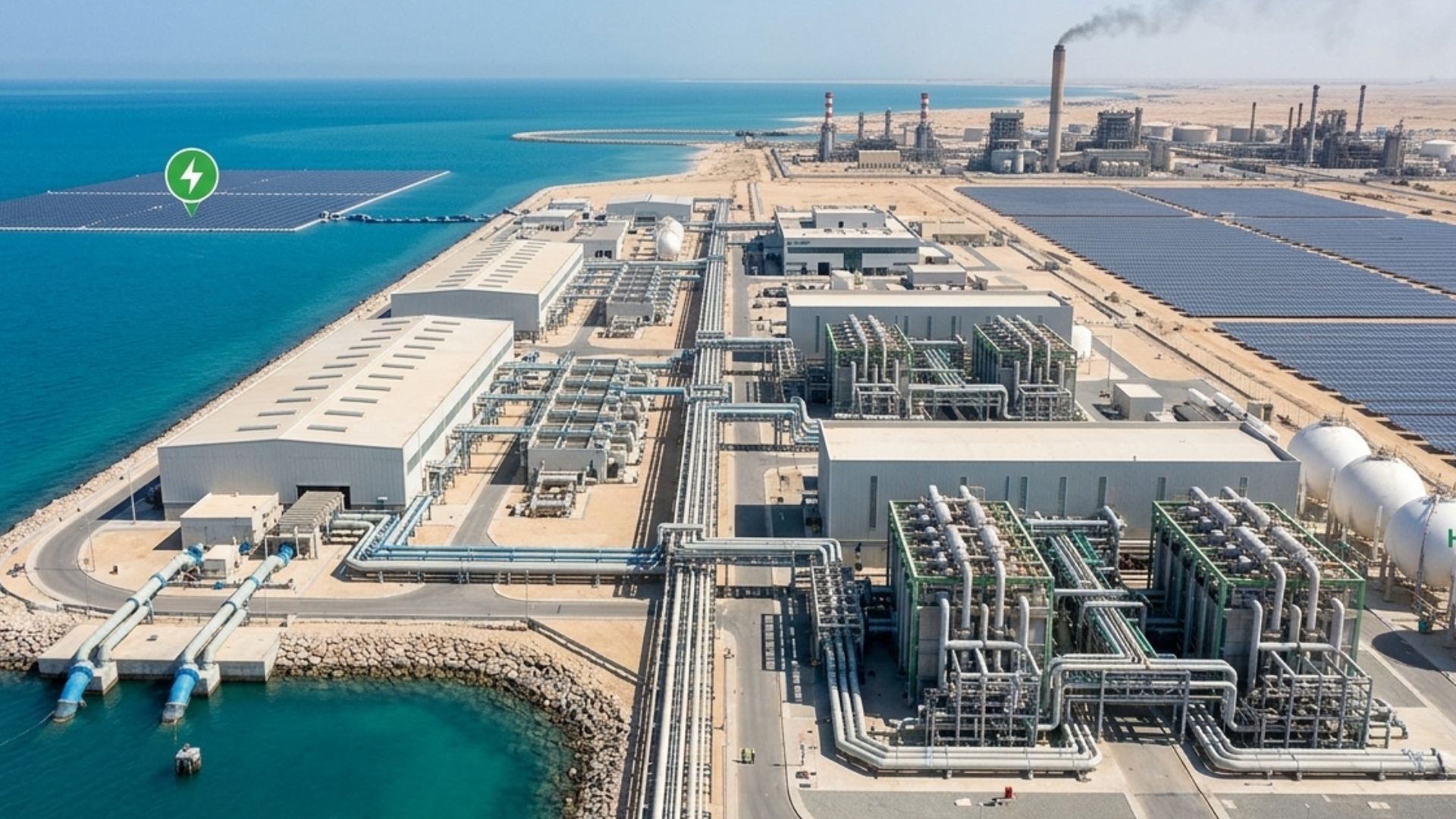
The technological pathway developed at USP can be considered pioneering worldwide, as it is research that is part of a larger initiative. One of the main missions of the center is to eliminate emissions from the sugarcane production chain or even make it negative regarding emissions. From both scientific and technological perspectives, hydrogen is only green when the raw material used at the beginning of the process is generated from a renewable source or biomass, as is the case with ethanol. Various vehicles from different parts of the world already use hydrogen, but those fuels are produced using natural gas.
In Addition to Ethanol, Green Hydrogen Can Be Produced Using Only Water
Another means of producing the fuel of the future is from water. In Brazil, the company EDP Brasil plans to open its first green hydrogen production plant through water splitting in the state of Ceará by the end of the year.
According to Buckeridge, in the case of USP’s ethanol-powered hydrogen production machine, there is still much scientific development to be done. The researcher explains that, in fact, the equipment is an ethanol reformer, which inputs from one side and outputs as hydrogen on the other. However, along the way, it is necessary to carefully control all the chemical reactions of the process, as well as the choice of the right chemical elements for the catalytic reactions to happen efficiently and accurately.
Hydrogen Production Machine Will Also Produce Carbon Monoxide
In the case of the hydrogen production machine, the reactions are also expected to produce carbon monoxide, which cannot be released directly into the atmosphere. According to Buckeridge, USP plans to utilize this carbon monoxide in gardens since plants process carbon through photosynthesis.
Regarding the carbon generated by the machine, another line of research from USP scientists shows that it is possible to bury it in areas near the plants at depths of up to 4km. Thus, the carbon will react with other substances and become inert. As a result, the sugarcane supply chain could even achieve negative emissions in Brazil.
Source: Nova Cana