Portuguese
  Spanish


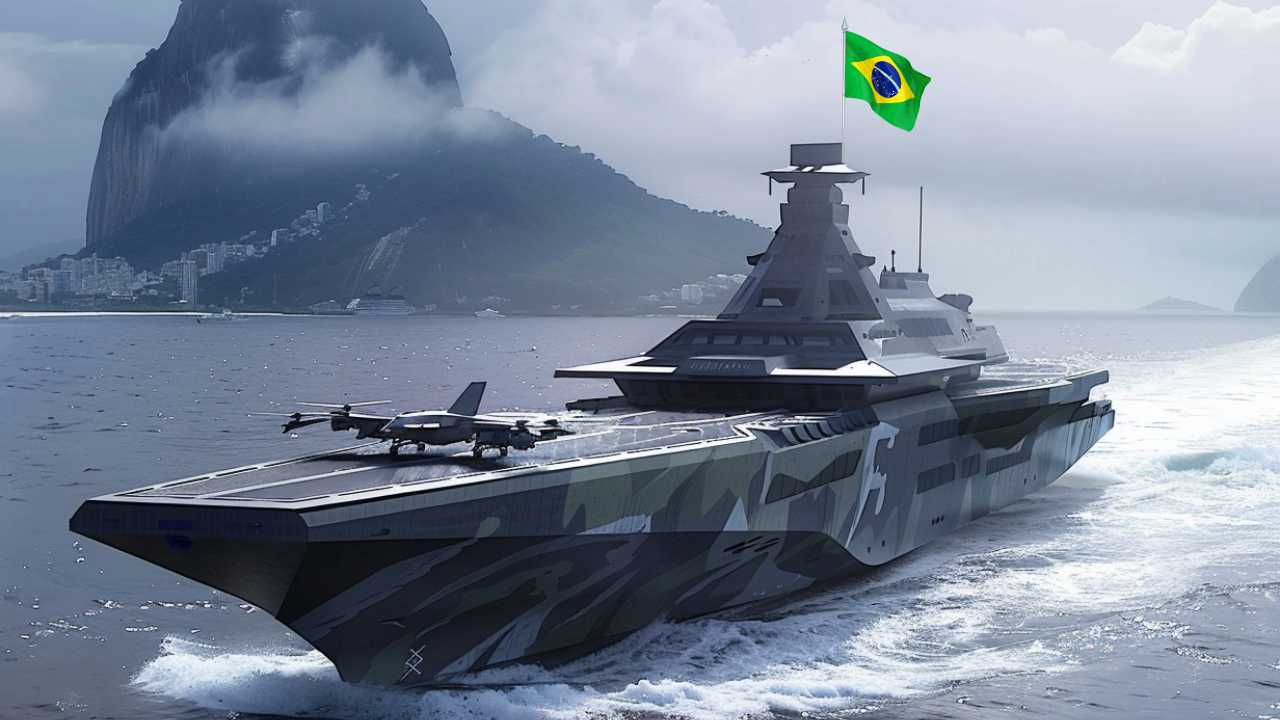

The Brazilian Navy Considers Adopting Damen’s Innovative Drone-Carrying Ships, Which Are Vessels Capable of Operating a Variety of Aerial, Aquatic, and Subaquatic Drones. This Technological Advancement Could Significantly Expand Surveillance, Search, and Rescue Capabilities, as Well as Enhance the Navy’s Combat Effectiveness, Consolidating Its Leadership Position in Naval Security in South America.
The Brazilian Navy Is On Track to Adopt One of the Most Innovative Naval Technologies in the World: The Drone-Carrying Ship, Developed by Damen in Partnership with the Portuguese Navy. This Advancement Promises to Significantly Elevate Brazil’s Operational and Strategic Capacities in the Global Naval Arena.
The Brazilian Navy’s Interest in Modernizing and Strengthening Its Forces Through Advanced Technologies Is Evident with the Possibility of Integrating Damen’s Drone-Carrying Ships. These Ships, Designated as Multipurpose Support Ships (MPSS), Are Pioneers in Operating Aerial, Aquatic, and Subaquatic Drones, Offering a Versatile Range of Military Capabilities.
With Bombs and Other Explosive Devices, Drones Enhance the Brazilian Navy’s Quick and Efficient Response Capability


Drones, Already Essential in Various Military Operations, Enable Continuous Surveillance and In-Depth Reconnaissance, Increasing Effectiveness in Search and Rescue Missions and Operations Against Hostile Vessels. With Bombs and Other Explosive Devices, Drones Enhance the Quick and Efficient Response Capability of the Brazilian Navy.
-
Eni Acquires 25% Stake in Chilean Lithium Project, Plans to Invest Up to $225 Million in Eco-Friendly Extraction Method

-
French Brand Transforms 6 Million Brazilian PET Bottles into Sustainable Sneakers for Global Fashion Market
-
Abandoned Factory in Rio’s North Zone Becomes Urban Hazard with Standing Water and Debris

-
The U.S. Navy Conducts Submarine Tests in Idaho Lake to Detect Underwater Noises Hidden by the Ocean



The MPSS Is Relatively Compact, Available in 7,000 and 9,000 Ton Versions, with Dimensions That Allow for Agile and Efficient Operation. Comparable in Size to Some Modern Frigates, This Vessel Not Only Fits Well with the Operations of the Brazilian Navy, but Also Stands Out for Its Cost-Effectiveness.
Acquisition of This Damen Drone-Carrying Ship Would Position the Brazilian Navy at the Forefront of Naval Forces in South America
The Acquisition of This Damen Drone-Carrying Ship Would Position the Brazilian Navy at the Forefront of Naval Forces in South America, Strengthening Its Defensive Capability and Consolidating Its Regional Leadership. More Than Just a Vehicle for Drones, the MPSS Can Carry Out a Wide Range of Operations, From Maritime Patrol to Direct Combat Actions, Making It a Valuable Addition to Any Naval Force.
Although the MPSS Concept Is New and Still in Testing Phase in Real Operations, Its Potential Is Undeniable. The Introduction of This Vessel Not Only Reinforces National Defense but Also Promotes Stability and Security in the Region. The Costs Associated with Its Operation Are Significantly Lower Compared to Large Units Such as Aircraft Carriers, Making It an Economical and Strategic Choice.